

Menopause is not an illness.
But the symptoms that accompany it can quietly affect energy, sleep, confidence, relationships, and long-term health.
For many women, the most difficult part is not the physical change itself.
It is the uncertainty around menopause treatment.
Should you consider medical treatment at this stage?
Are natural options enough for your symptoms?
Is it safe to combine medical and natural approaches?
How do you choose the right path without fear or confusion?
This guide is written to answer those questions clearly, compassionately, and responsibly.
Menopause treatment is not a single pill, therapy, or supplement.
Clinically, it refers to any intervention that helps the body adapt to declining estrogen and progesterone levels, while protecting long-term health.
Effective menopause treatment focuses on three goals:
Symptom relief
Hormonal and metabolic stability
Prevention of future health risks
There is no one correct path.
The right treatment depends on symptoms, health history, lifestyle, and personal comfort.
Not every woman needs aggressive intervention.
But treatment becomes worth exploring when symptoms begin to interfere with daily life.
Common signs include:
Frequent hot flashes or night sweats
Poor sleep quality
Mood changes or anxiety
Vaginal dryness or discomfort
Fatigue that does not improve with rest
Joint aches or muscle stiffness
Brain fog or reduced concentration
Early support often prevents symptoms from intensifying over time.
(PubMed Central).
Medical menopause treatment is guided by decades of research and clinical data.
When prescribed correctly, it can be both safe and effective.
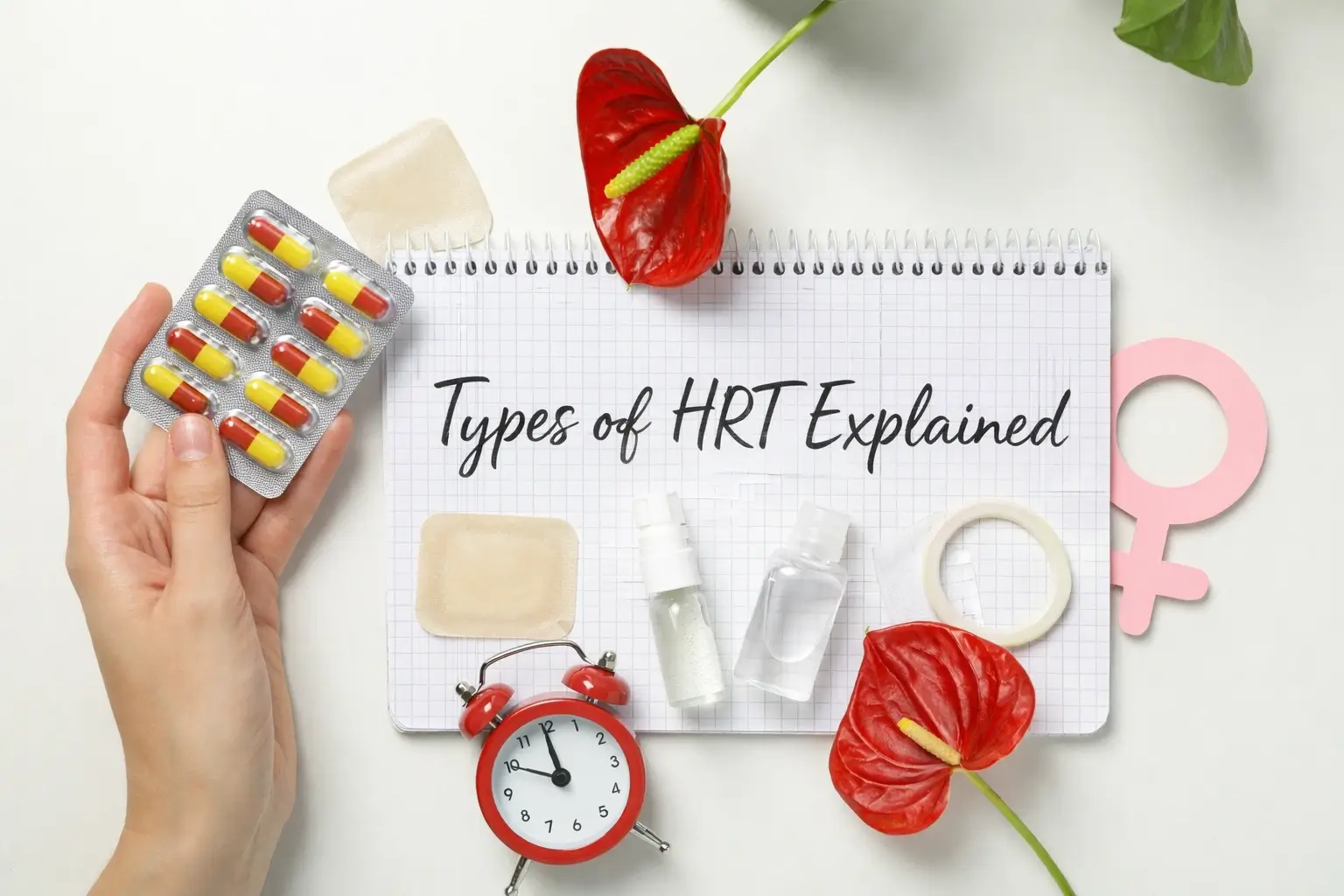
Hormone replacement therapy, commonly called HRT, remains the most studied menopause treatment.
It works by replenishing estrogen, with or without progesterone, depending on uterine status.
Potential benefits include:
Reduced hot flashes and night sweats
Improved sleep quality
Better vaginal and urinary health
Protection against bone loss
Improved quality of life in early menopause
Large studies such as the North American Menopause Society and Indian Menopause Society agree that HRT is safest when started within ten years of menopause onset, for women without contraindications.
At Miror’s Hormone Therapy Centre of Excellence, hormone replacement therapy is approached with clinical precision and deep individualisation. Each HRT plan is guided by a woman’s symptoms, age, metabolic profile, and long-term health goals, not just lab values alone.
Miror’s expert-led model ensures that hormone therapy is:
Prescribed only when appropriate
Regularly reviewed and adjusted
Integrated with nutrition, lifestyle, and metabolic support
This comprehensive approach reflects current global and Indian clinical guidance, ensuring hormone therapy is used as a supportive tool for health and quality of life, not as a blanket solution.
(The Healthy Woman).
For women who cannot or choose not to use hormones, several alternatives exist.
These may help with:
Hot flashes
Mood changes
Sleep disturbances
Options include certain antidepressants, blood pressure medications, and newer neurokinin receptor blockers approved specifically for menopause symptoms.
Medical guidance is essential before starting any of these.
(Harvard Health).
Natural menopause treatment focuses on supporting the body’s own regulatory systems rather than replacing hormones directly.
For many women, this approach feels gentler and more sustainable.
Diet plays a powerful role in symptom management.
Key dietary priorities include:
Adequate protein to protect muscle and bone health
Fibre rich foods to support gut and hormone balance
Healthy fats to support brain and skin health
Stable blood sugar through regular meals
Studies published in The Journal of Clinical Endocrinology & Metabolism highlight the role of balanced nutrition in reducing symptom severity.
Certain nutrients become especially important during menopause.
These include:
Calcium and vitamin D for bone health
Magnesium for sleep and muscle function
Omega three fatty acids for inflammation and heart health
B vitamins for energy and nervous system support
Supplementation should be personalised.
More is not always better.
(Healthline).
Lifestyle is often underestimated as a treatment tool.
In reality, it shapes how severe or manageable symptoms become.
The goal is not extreme exercise.
It is consistency and recovery.
Helpful forms include:
Strength training for bone and muscle
Walking or cycling for cardiovascular health
Gentle flexibility work to reduce stiffness
Overtraining can worsen fatigue and sleep disturbances.
Poor sleep amplifies nearly every menopause symptom.
Supporting sleep means:
Consistent sleep timing
Reducing late evening stimulation
Managing caffeine and alcohol intake
Chronic stress raises cortisol, which can intensify hot flashes, weight gain, and anxiety.
(NHS).
| Aspect | Medical Treatment | Natural Treatment |
|---|---|---|
| Speed of symptom relief | Faster | Gradual |
| Hormonal support | Direct | Indirect |
| Long term sustainability | Depends on monitoring | High |
| Personalisation | Clinician guided | Lifestyle driven |
| Best for | Moderate to severe symptoms | Mild to moderate symptoms |
Many women benefit from a combined approach, rather than choosing one exclusively.
One area often neglected in menopause treatment is intimate health.
Low estrogen affects vaginal tissue, elasticity, and lubrication.
Effective options include:
Local estrogen therapy
Non hormonal vaginal moisturisers
Pelvic floor therapy
Addressing this early improves comfort, confidence, and relationships.
(The Clairmont Clinic).
Menopause treatment is not only about symptom relief.
It also helps reduce future risks such as:
Osteoporosis
Cardiovascular disease
Metabolic disorders
Cognitive decline
Preventive care becomes increasingly important after menopause.
(Nature).
There is no universal plan.
The best menopause treatment:
Respects your symptoms
Considers your health history
Evolves as your body changes
Feels sustainable and supportive
Regular follow ups matter more than one time decisions.
Menopause is a transition, not a failure of the body.
The purpose of menopause treatment is not to fight aging.
It is to support comfort, dignity, and long term wellbeing.
With the right guidance, women can move through this phase feeling informed, supported, and in control.
If there is one principle worth remembering, it is this:
Menopause treatment works best when it listens to the woman first.
Menopause treatment options include both medical and natural approaches. Medical treatments may involve hormone therapy, non-hormonal medications, or symptom-specific prescriptions, while natural options focus on nutrition, lifestyle changes, supplements, stress management, and sleep support. The most effective treatment depends on a woman’s symptoms, health history, and personal comfort with different therapies.
No, hormone therapy is not the only menopause treatment. While it can be effective for some women, many manage menopause symptoms through non-hormonal treatments such as dietary changes, targeted supplements, exercise, stress reduction, and sleep optimisation. Treatment should always be individualised rather than one-size-fits-all.
Many natural menopause treatments are supported by scientific research, especially those related to nutrition, exercise, sleep, and stress regulation. Certain supplements and lifestyle interventions have shown benefits for hot flashes, mood changes, sleep disturbances, and fatigue. However, natural does not always mean risk-free, so guidance from a qualified healthcare professional is important.
A woman can consider menopause treatment when symptoms begin to affect her daily life, sleep, emotional wellbeing, work performance, or overall quality of life. Treatment does not need to wait until symptoms become severe. Early, supportive intervention often helps prevent symptoms from worsening over time.
Doctors consider several factors when recommending menopause treatment, including symptom severity, age, stage of menopause, medical history, risk factors, and personal preferences. Blood tests, symptom patterns, and lifestyle factors may also guide treatment decisions. The goal is to support long-term health while improving day-to-day wellbeing.


 ×
×