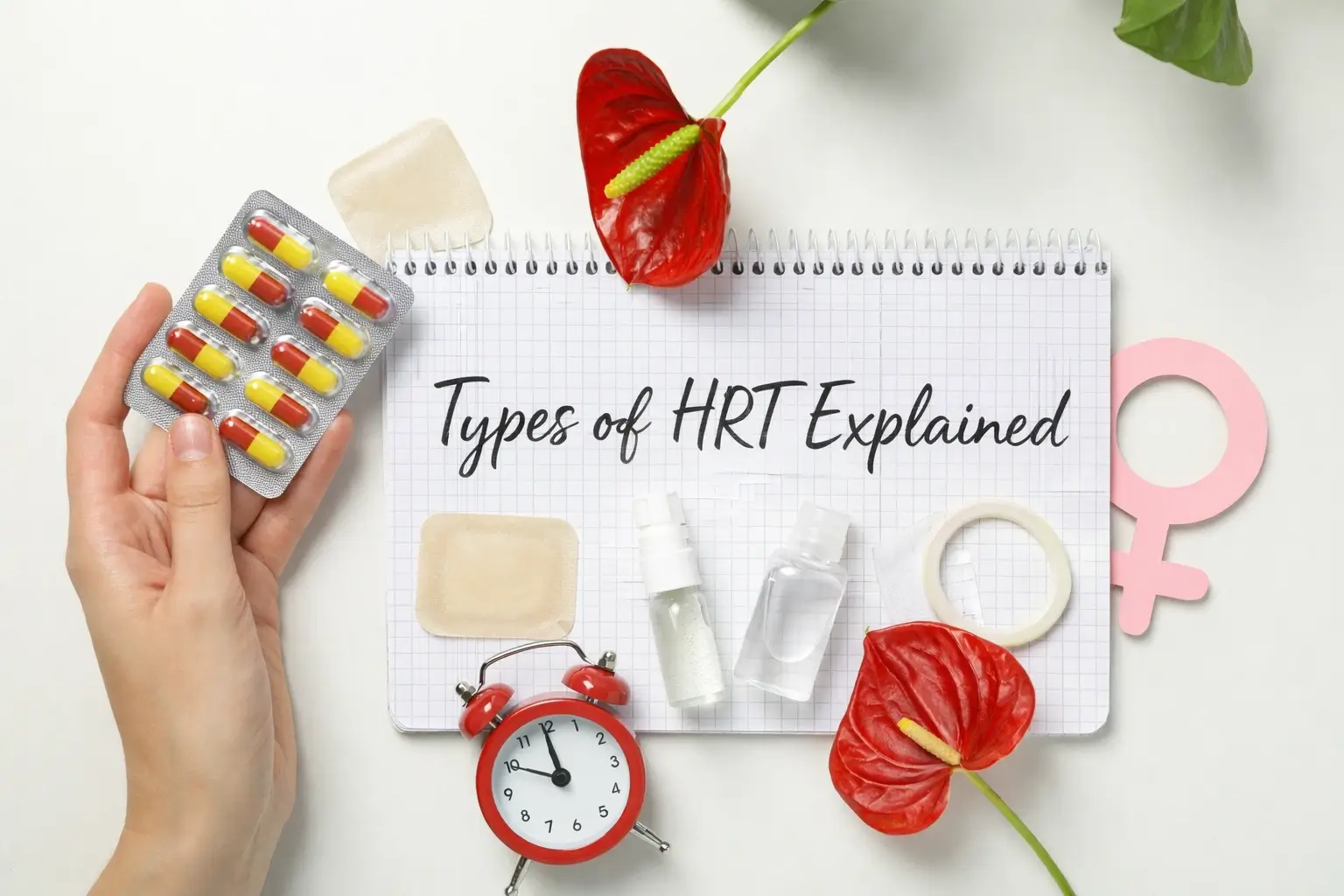


You have probably heard about estrogen in connection with periods or fertility or menopause.
But what you may not realize is that estrogen shapes far more than reproductive health. It influences your mind, mood, energy, sleep, metabolism, physical strength, skin, and the way you emotionally move through the world.
Think about those days when you feel powerful and clear and confident and deeply yourself.
And then remember the days when you feel foggy or overwhelmed or sensitive or disconnected for no obvious reason.
It can be shocking to learn how much of that is influenced by the rise and fall of estrogen in the body and the wide range of estrogen effects that quietly shape your everyday life. Once you begin to understand that connection, everything changes about how you interpret both physical and emotional shifts.
This is not a medical lecture. This is a story about you and the science that lives inside you. Walk through it with curiosity and honesty.
Estrogen is often described only as the female sex hormone, but that description barely touches its significance.
It is produced mainly in the ovaries and in smaller amounts in other tissues, and it influences nearly every major system within you. It affects your heart, bones, skin, metabolism, brain chemistry, emotional balance, and sleep.
Imagine the body as an orchestra. Estrogen is the conductor guiding the entire performance. When levels shift, the entire symphony adjusts with it.
Estrogen regulates the menstrual cycle, yes. But its impact extends far beyond that.
It supports pelvic muscle tone, maintains vaginal elasticity and natural lubrication, and plays an important role in urinary comfort and function.
So when estrogen levels drop and experiences such as vaginal dryness, discomfort during intimacy, or more frequent urges to urinate appear, they are not random and they are not embarrassing. They are meaningful signals from the body asking to be understood.
Have you ever woken up with stiffness in the knees or hips, or felt soreness after a workout that once felt easy?
Estrogen helps maintain bone density and supports collagen in muscles and connective tissue. When it decreases, joints can feel tighter, muscles recover more slowly, and injuries become more common.
What feels like sudden aging is often estrogen speaking quietly beneath the surface — a reminder of how powerful estrogen effects can be on the body even when they are invisible.
Many women notice body changes during perimenopause or periods of chronic stress.
Jeans feel tighter at the waist even when weight has not changed.
A soft curve appears around the belly despite identical routines.
Workouts stop responding the way they used to.
Estrogen influences where the body stores fat and how efficiently metabolism processes energy.
This is not a lack of discipline. It is physiology expressing itself.
Think about your skin in earlier years — elastic, bright, smooth, firm and easy to care for.
Estrogen supports collagen production, hydration and tissue repair. When it declines, skin may feel dry or thin, nails may weaken, and hair may shed more easily.
These visible changes are not superficial flaws. They reflect deeper internal shifts.
Estrogen works closely with serotonin and dopamine, the chemicals that help you feel steady, calm, clear-minded and motivated.
So when estrogen begins to fluctuate, you may feel the changes long before you understand where they are coming from.
It can show up as
• a sudden rush of anxiety
• irritation over small things
• a tenderness or sensitivity that feels hard to explain
• difficulty focusing or remembering
• a heavy mental fog
• a sense of being overwhelmed by what once felt manageable
Many women blame themselves, thinking they are unstable or too emotional or losing control.
In reality, the brain is responding to biochemical transition. It is not a weakness — it is information.
• Irregular or missing periods
• Hot flashes or night sweats
• Low libido
• Fatigue or low stamina
• Joint pain or stiffness
• Vaginal dryness or discomfort
• Mood dips or depression
• Sleep disturbances
• Reduced bone strength or fragility
• Heavy periods or clotting
• Bloating and water retention
• Breast tenderness or swelling
• Headaches or migraines
• Weight gain around hips and thighs
• Increased PMS symptoms
• Fibroids or endometriosis risk
• Heightened irritability or mood swings
Balanced rhythm is what the body seeks most.
One of the hardest parts about hormonal changes is that they rarely announce themselves clearly. They slip quietly into daily life disguised as stress or tiredness or irritability.
There is no notification that says,
“Your estrogen levels are shifting. Please prepare emotionally.”
Instead, you may simply find yourself exhausted, short-tempered or disconnected without understanding why.
Because so many women are conditioned to push through discomfort and carry on, these signals are often ignored until they become impossible to avoid.
Understanding estrogen is not about fear or vanity. It is about self-respect and learning to listen to the intelligence of your body.
Awareness brings clarity. Clarity creates strength. Strength gives you choice.
Pay attention to patterns instead of isolated moments.
Treat lifestyle practices such as sleep, nourishment, movement, muscle support and stress care as hormonal support.
Notice emotional and physical changes through your cycle or across different life phases.
Speak to a healthcare professional early rather than waiting for things to become difficult.
And above all, remember that the goal is not to control your body, but to understand it and work with it gently.
Your body speaks in signals and clues. These self checks help you listen more closely.
Review them once every month to notice patterns and support yourself with intention.
Is your period arriving earlier, later, lighter, heavier, or skipping entirely?
Changes in rhythm often reveal early hormonal shifts.
Are you feeling more emotional, anxious, sensitive, or flat?
Does motivation feel harder to access than it used to?
Are you waking up often, especially in the early morning hours?
Do you feel unusually hot, restless, or unable to return to sleep?
Are you feeling drained without any clear reason?
Has your stamina changed compared to earlier months?
Have you noticed new dryness, increased shedding, or changes in texture or elasticity?
Has your desire shifted?
Is intimacy beginning to feel uncomfortable or different from before?
Are workouts feeling harder than usual?
Is soreness lasting longer than it once did?
Is belly fat appearing unexpectedly?
Are your clothes fitting differently even though your routine is the same?
Are bruises showing up more easily?
Are your teeth more sensitive than usual?
Are your nails becoming brittle or breaking faster?
Do small triggers feel more overwhelming than they used to?
Do you feel constantly on edge or unable to switch off?
If several of these answers surprised you, estrogen may be trying to speak.
Imagine being forty-two. Still ambitious, still capable, still driven — yet something inside feels unfamiliar.
Your jeans do not fit the same.
You cry more easily at small things.
Your hairbrush collects more hair.
Your joints ache.
Your sleep breaks even when you are exhausted.
You wonder if you are losing control or falling behind.
But what if nothing is wrong with you?
What if your internal chemistry is shifting?
What if understanding it would help you reclaim yourself?
When you listen to your hormones instead of fighting them, you return to your power.
Estrogen influences every part of your physical and emotional world.
Small changes are powerful messages.
Understanding your hormonal rhythm is an act of self-respect.
You are not dramatic.
You are not weak.
You are not alone.
You are a human being with extraordinary internal intelligence.
Estrogen is one way your body speaks.
So ask yourself:
What might change in your life if you stopped fighting your body and started listening to it?
Estrogen shifts can begin as early as the mid thirties, well before periods stop. Many women notice emotional or physical changes long before they recognize them as hormonal.
Yes. The gut helps break down and eliminate excess estrogen. When digestion is sluggish, estrogen can build up and cause imbalance.
Yes. Moderate movement supports hormonal balance, but very intense training or extremely low body fat can lower estrogen significantly.
Yes. Changes in estrogen affect mood regulating brain chemicals, so emotional symptoms like anxiety or low mood can appear before physical ones.
Yes. Hormones fluctuate throughout the day and month, so a single blood test may not reflect what the body is truly experiencing.


 ×
×