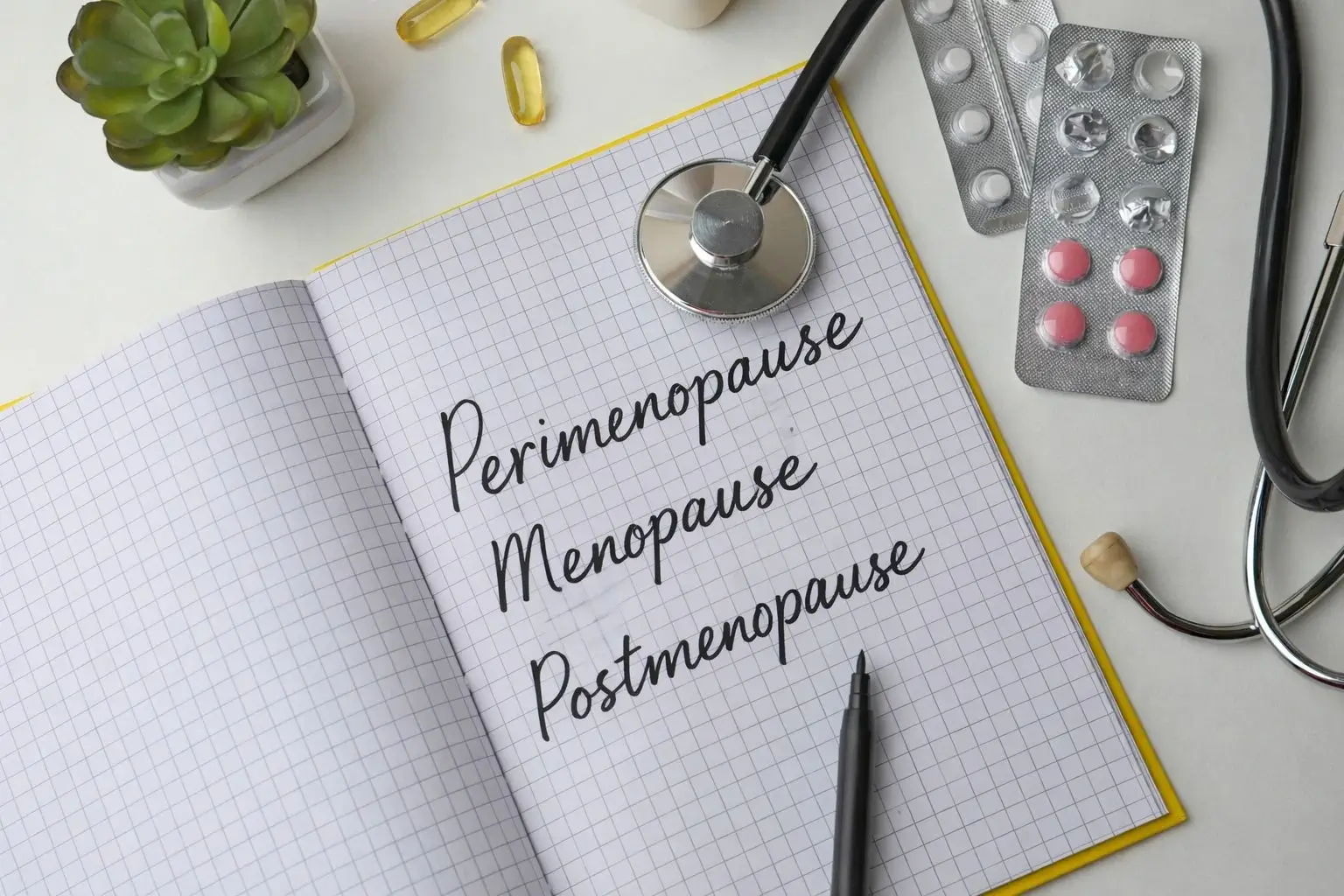


There is a quiet revolution unfolding in menopause care. One that honours individual biology, genetics, lifestyle, emotional rhythms, and the exquisite uniqueness of every woman’s body.
The era of prescribing the same menopausal hormone therapy (MHT) to every woman, regardless of symptoms, age, metabolism, health history, or long-term goals is fading fast.
Today, the most trusted menopause specialists are embracing what women have instinctively known all along:
MHT is not a universal formula.
It is a personalised, evolving partnership between a woman’s changing physiology and the careful calibration of her care.
This shift recognises what medicine overlooked for decades:
Menopause is not a single event. It is a dynamic, ever-changing transition.
And navigating it well requires precision, flexibility, and deeply individualised treatment.
Let’s explore how personalised dosing in MHT truly works and why it is transforming menopause care worldwide.
For years, hormone therapy was prescribed much like ready-made clothing: small, medium, or large.
The assumption now seems almost naïve, given the biological complexity of the female endocrine system.
This approach wasn’t rooted in negligence—it reflected the scientific limitations of the time.
Early MHT protocols were based on:
limited datasets
narrow population studies
incomplete understanding of hormone metabolism
Today, we know better.
Hormonal needs vary widely based on:
Age at symptom onset
Distance from the final menstrual period
Body composition and metabolic rate
Genetic differences in estrogen metabolism
Stress and cortisol levels
Sleep quality
Cardiovascular and metabolic health
Migraine or clotting history
Gut and liver function
Symptom clusters, severity, and duration
Lifestyle, movement, and nutrition
This variability explains why:
One woman thrives on a low estrogen dose
Another needs a higher dose for the same relief
One feels best on a patch, while another responds better to gel or oral therapy
MHT is not about “giving hormones.” It is about restoring hormonal equilibrium in a body that is uniquely wired.
Menopausal Hormone Therapy (MHT) is the modern, medically accurate term used globally by menopause societies.
It refers to the use of:
Estrogen alone, or
Estrogen combined with progesterone,
to support women through the menopausal transition.
While many women still recognise the term HRT, specialists prefer MHT because it reflects the true intent of treatment: to supplement declining hormones, not to recreate premenopausal levels.
Women today are living longer, fuller, more active lives than any generation before them.
Menopause is no longer an endpoint, it is a transition into decades of vitality, leadership, intimacy, and purpose.
Because of this, women deserve therapy that is:
personalised
predictive
precise
aligned with long-term health
Personalised MHT is associated with:
Better symptom control
Fewer side effects
Improved long-term safety
Higher adherence
Better cardiovascular and bone outcomes
Improved mood, cognition, and energy
When therapy is tailored, the body responds with ease. When therapy is generic, the body often struggles to adapt.
Personalised dosing is not guesswork.
It is a structured, evidence-based process grounded in endocrinology and clinical experience.
Hormonal sensitivity changes across the transition:
| Stage | Hormonal Consideration |
|---|---|
| Early perimenopause | Subtle estrogen support |
| Late perimenopause | Careful balance to avoid fluctuations |
| Early postmenopause | Consistent symptom control |
| Late postmenopause | Long-term protection and stability |
Dose and delivery must match the stage.
Symptoms are clinical data, not complaints.
Doctors assess:
Which symptoms are present
Their frequency and severity
What worsens or relieves them
How they evolve over time
This pattern guides dose, formulation, and timing.
This step ensures both safety and optimisation.
Key considerations include:
Cardiovascular health
Blood pressure
Clotting risk
Migraines
Thyroid function
Breast and gynecological history
Autoimmune conditions
Liver and gut health
These factors influence both dose and route.
| Route | Key Considerations |
|---|---|
| Transdermal patch | Stable delivery, lower clot risk |
| Transdermal gel | Flexible dosing |
| Oral estrogen | Convenient, but liver-processed |
| Spray | Rapid absorption |
| Vaginal estrogen | Local symptom relief |
The “best” route is the one your body responds to most safely.
Women with a uterus require progesterone for endometrial protection.
Options include:
Micronised progesterone
Continuous vs cyclic dosing
Micronised progesterone is often preferred for its favourable effects on sleep and mood, but dosing remains individual.
Women naturally produce testosterone, often more than estrogen during reproductive years.
In select women, low-dose testosterone may help with:
Low libido
Reduced sexual satisfaction
Persistent fatigue
Loss of muscle tone
Diminished sense of drive
Dosing remains strictly within female physiological ranges and is carefully monitored.
Most specialists follow a start low, go slow approach.
Adjustments may involve:
Increasing dose
Reducing dose
Changing formulation or route
This is where the art of menopause medicine meets science.
Personalised MHT is dynamic, not static.
Follow-ups assess:
Symptom relief
Sleep quality
Emotional stability
Side effects
Bone density
Cardiovascular markers
The goal is not just symptom relief, but long-term hormonal optimisation.
Common signals include:
Persistent hot flashes or night sweats
Sleep disruption
Breast tenderness
Bloating
Mood changes
Headaches
Spotting
Return of vaginal symptoms
These are signals, not failures.
Because biology is profoundly individual.
Differences exist in:
Estrogen receptor sensitivity
Liver enzyme activity
Microbiome composition
Cortisol rhythms
Metabolic rate
Inflammatory pathways
Genetic polymorphisms
Hormones don’t “work better” in some women. They are simply metabolised differently.
Women receiving personalised MHT report feeling:
Heard
Validated
Empowered
Confident in their health decisions
This emotional safety improves outcomes, adherence, and wellbeing. Personalised MHT is not just clinical. It is deeply human.
Emerging advances include:
Genetics-guided dosing
Metabolomics-based protocols
AI-assisted symptom tracking
Smarter delivery systems
Brain-hormone research
Wearable-guided adjustments
This shift toward personalised menopause care is also reflected in how clinical services are evolving. At Miror, this philosophy is translated into practice through our HRT Centre of Excellence: a dedicated initiative designed to deliver evidence-based, individualised hormone therapy for women in India.
By integrating specialist medical expertise, global menopause guidelines, and a nuanced understanding of Indian women’s midlife health needs, Miror’s HRT Centre of Excellence moves decisively beyond one-size-fits-all protocols toward truly personalised menopause care.
The core remains unchanged:
A clinician who listens. A woman who feels seen. A therapy designed for her alone.
You don’t need to “push through” menopause.
You don’t need to fit into someone else’s protocol.
You don’t need to settle for discomfort.
MHT is not about recreating your twenties. It is about supporting your forties, fifties, sixties and beyond; with clarity, strength, and vitality.
Every woman is different.
Every body is different.
And menopause, when guided thoughtfully, can become one of the most empowered chapters of life.
MHT today is deeply individualised. Factors like symptoms, age, metabolic rate, health history, and hormone sensitivity all influence dose and formulation. Two women of the same age can require entirely different therapies based on how their bodies metabolise hormones.
Most women notice improvements within a few weeks, but fine-tuning can take a few months. Personalised dosing is a gradual, responsive process. Your doctor adjusts treatment based on how your body and symptoms evolve.
Women who still have their uterus require progesterone to protect the endometrium. The type, amount, and schedule of progesterone are personalised depending on symptoms, tolerability, and overall goals.
Testosterone may help women experiencing low libido, reduced energy, or a loss of sexual responsiveness, even after optimising estrogen and progesterone. It is prescribed only when clinically appropriate and at very small, physiological doses designed for women.
Persistent hot flashes, sleep disruption, breast tenderness, mood changes, spotting, headaches, or returning vaginal symptoms can signal that your dose or route needs refinement. Personalised MHT evolves with your body, so ongoing communication with your doctor is key.




 ×
×