
8 Essential Truths About Estradiol Every Woman Should Know for Better Health & Confidence

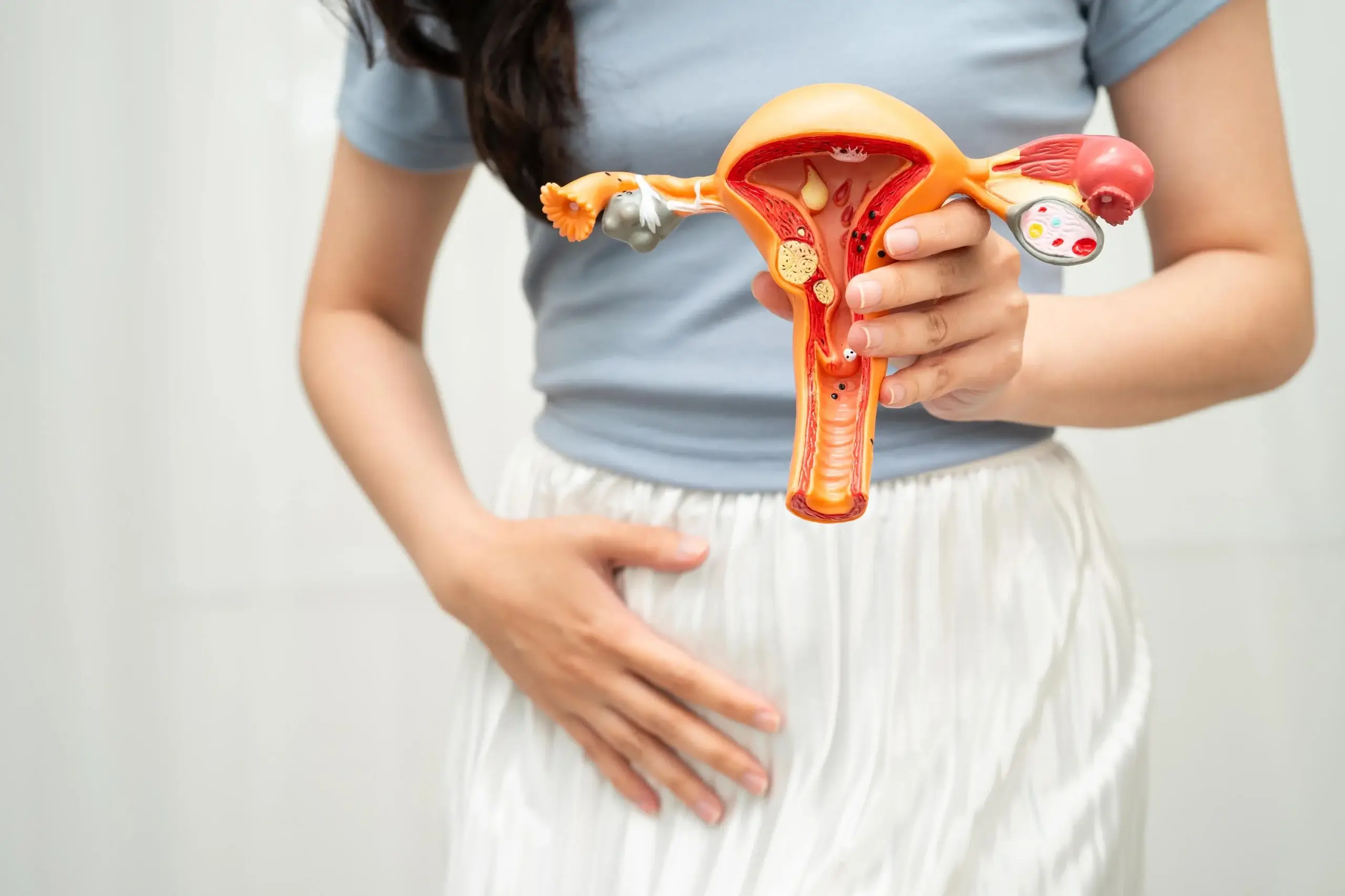
Estradiol women hormone health concept — mature woman reflecting during hormonal changes.

Table of Contents

Estradiol is one of the most influential hormones in a woman’s life. Shaping energy, mood, cognition, sleep, metabolism, bone strength, and even the feeling of emotional resilience. And yet, most women have never been taught how estradiol truly works, or how deeply it affects daily well-being.

Whether you’re in your 20s, 30s, 40s, or navigating the complex terrain of perimenopause or menopause, understanding estradiol can help you make sense of physical and emotional shifts that once felt confusing or overwhelming.

This guide reveals 8 powerful truths about estradiol women deserve to know, written with compassion, clarity, and deep respect for the complexity of the female body.

1. Estradiol Is the Most Potent Form of Estrogen Women Produce

Although people often refer to estrogen as a single hormone, the body actually makes three main types:

  • Estradiol (E2) — most powerful during reproductive years

  • Estrone (E1) — more dominant after menopause

  • Estriol (E3) — rises during pregnancy

Of these, estradiol is the most active and impactful. It influences:

  • reproductive cycles

  • brain function

  • emotional well-being

  • skin health

  • bone strength

  • metabolic balance

  • cardiovascular vitality

Estradiol is not just a reproductive hormone, it is a whole-body hormone that affects nearly every organ system.

Learn more from University of Rochester Medical Center on estrogen: Estradiol Test

2. Estradiol Has a Direct Influence on Women’s Mood and Emotional Stability

Estradiol communicates constantly with the brain’s emotional centers. It supports the production and balance of:

  • serotonin (mood regulation)

  • dopamine (motivation, reward, drive)

  • GABA (calm, ease, relaxation)

This is why emotional changes often mirror hormonal changes.

When estradiol rises, many women feel:

  • clearer

  • more energised

  • emotionally balanced

  • confident

  • socially connected

When estradiol dips, women may experience:

  • irritability

  • fatigue

  • brain fog

  • lower motivation

  • emotional sensitivity

These aren’t personality flaws, they’re biological rhythms. Understanding estradiol allows women to replace self-criticism with self-compassion.

3. Estradiol Is Essential for Brain Clarity, Memory & Focus

Research shows estradiol plays a protective role in cognitive function. It enhances:

  • memory processing

  • verbal fluency

  • mental clarity

  • learning ability

  • executive decision-making

Brain imaging also reveals that estradiol helps strengthen neural pathways and supports the brain’s natural ability to adapt.

This is why declines in estradiol during perimenopause or postpartum often lead to:

  • forgetfulness

  • difficulty concentrating

  • mental fatigue

  • slower processing

U.S. National Library of Medicine: Estradiol 

4. Estradiol Shapes Women’s Physical Vitality: Skin, Bones, Metabolism & Circulation

Estradiol supports much of what women associate with vitality, youthfulness, and wellness.

✔ Skin & Collagen

Estradiol promotes:

  • hydration

  • elasticity

  • cellular repair

  • collagen production

This is why skin changes become noticeable as estradiol naturally declines.

✔ Bone Strength

It regulates calcium and supports bone-building cells. Lower estradiol is directly linked with decreased bone density.

✔ Metabolic Balance

Estradiol influences where the body stores fat, how it uses glucose, and how quickly it burns calories.

✔ Cardiovascular Wellness

It helps maintain flexible, healthy blood vessels and supports heart function.

Estradiol is not just a hormone, it’s a lifelong ally supporting a woman’s physical structure and vitality.

5. Estradiol Naturally Fluctuates Through Every Chapter of Womanhood

Estradiol rises and falls across all major life phases:

✔ Menstrual cycle

Predictable monthly rises and dips influence mood, focus, energy, and appetite.

✔ Pregnancy

Estradiol skyrockets, supporting fetal development and emotional bonding.

✔ Postpartum

Estradiol drops rapidly, contributing to emotional vulnerability and fatigue.

✔ Perimenopause

Estradiol levels become inconsistent, sometimes high, sometimes low. This causes many unpredictable symptoms.

✔ Menopause

Estradiol stabilises at a lower level permanently, shifting the hormonal landscape of the body.

Understanding these transitions helps women navigate them with confidence rather than confusion.

6. Shifting Estradiol Levels Create Recognisable Signs in Women

While only a healthcare provider can test hormone levels, many women sense when estradiol is shifting.

Possible signs include:

  • mood swings

  • fatigue

  • irregular cycles

  • sleep issues

  • skin changes

  • brain fog

  • decreased libido

  • hot flashes

  • changes in metabolism or body composition

These symptoms are common, not failures or deficiencies. They reflect natural hormonal evolution.

Cleveland Clinic: Estradiol Vaginal Cream

7. Lifestyle, Nutrition & Stress Management All Influence Estradiol Levels

Estradiol is responsive to your environment. Women can support hormonal harmony through simple daily practices:

✔ Eat phytoestrogen-rich foods

Flaxseeds, chickpeas, lentils, tofu, sesame seeds, and whole soy foods gently support hormonal pathways.

✔ Prioritise restorative sleep

Hormones reset during sleep. Estradiol and sleep deeply influence each other.

✔ Move your body

Strength training, walking, and yoga improve metabolic balance and mood regulation.

✔ Reduce chronic stress

High cortisol disrupts hormonal patterns.
Soft practices: breath-work, stretching, sunlight, journaling can help restore hormonal balance.

✔ Support with key nutrients

Magnesium, omega-3s, B vitamins, and vitamin D help maintain optimal hormonal function.

You don’t have to overhaul your life, small changes can create meaningful shifts.

8. Understanding Estradiol Gives Women Emotional Freedom & Self-Compassion

The greatest gift of understanding estradiol is emotional clarity.

When women understand their hormone patterns, they:

  • stop blaming themselves for natural fluctuations

  • feel more grounded in their emotional experiences

  • communicate their needs more clearly

  • navigate midlife changes with wisdom

  • embrace their bodies with compassion instead of frustration

Miror’s Brand-New & India’s First: HRT Centre of Excellence

In a groundbreaking step for women’s health in India, Miror proudly unveils the country’s first-ever HRT Centre of Excellence. A sanctuary built for every woman who deserves clarity, validation, and expert guidance through her hormonal journey. Designed with empathy at its core and backed by evidence-led protocols, the Centre brings together India’s leading endocrinologists, gyneacologists, nutritionists, and women’s wellness specialists under one unified mission: to provide personalised Hormone Replacement Therapy (HRT) pathways that honour both the science and the lived experience of women. For the first time, women in their 30s, 40s, 50s, and beyond can access advanced diagnostic insights, world-class medical expertise, and compassionate support; all in one trusted space. Miror’s HRT Centre of Excellence isn’t just a medical initiative; it is a bold, long-awaited reimagining of how India supports women’s hormonal health, dignity, and long-term well-being.

Remember ladies!
Estradiol is not just a hormone:
it’s a lens through which women can finally understand their inner world.

When women understand estradiol, they understand themselves.

FAQs

Estradiol is the most powerful form of estrogen and plays a crucial role in women’s mood, memory, energy, metabolism, skin health, and reproductive function. It supports overall vitality and significantly influences how women feel throughout different stages of life.

Estradiol interacts with mood-regulating brain chemicals like serotonin and dopamine. When estradiol levels shift, many women experience changes in mood, motivation, clarity, and emotional sensitivity. Understanding estradiol helps women interpret these feelings with more compassion and awareness.

Many women notice symptoms such as fatigue, mood swings, irregular cycles, decreased libido, brain fog, sleep disturbances, skin dryness, or hot flashes. These changes often occur naturally with age or hormonal transitions like perimenopause and menopause.

Balanced nutrition, phytoestrogen-rich foods, strength training, quality sleep, stress reduction, and micronutrients like omega-3s, magnesium, and B vitamins can all support estradiol balance. Lifestyle plays a meaningful role in overall hormonal wellness.

Yes. Estradiol naturally rises and falls during menstrual cycles and fluctuates during pregnancy, postpartum, perimenopause, and menopause. Each life stage brings its own hormonal rhythm, and understanding estradiol helps women navigate these transitions more confidently.

Scan the QR Code
To Connect With Us Today

Scan the QR Code
To Join Our Community