
Menopause is often spoken about in fragments. A hot flash here. Sleepless nights there. A quiet joke about mood swings, whispered discomfort about weight gain, or an unspoken grief around feeling “unlike yourself.”
But menopause is not a collection of random symptoms.
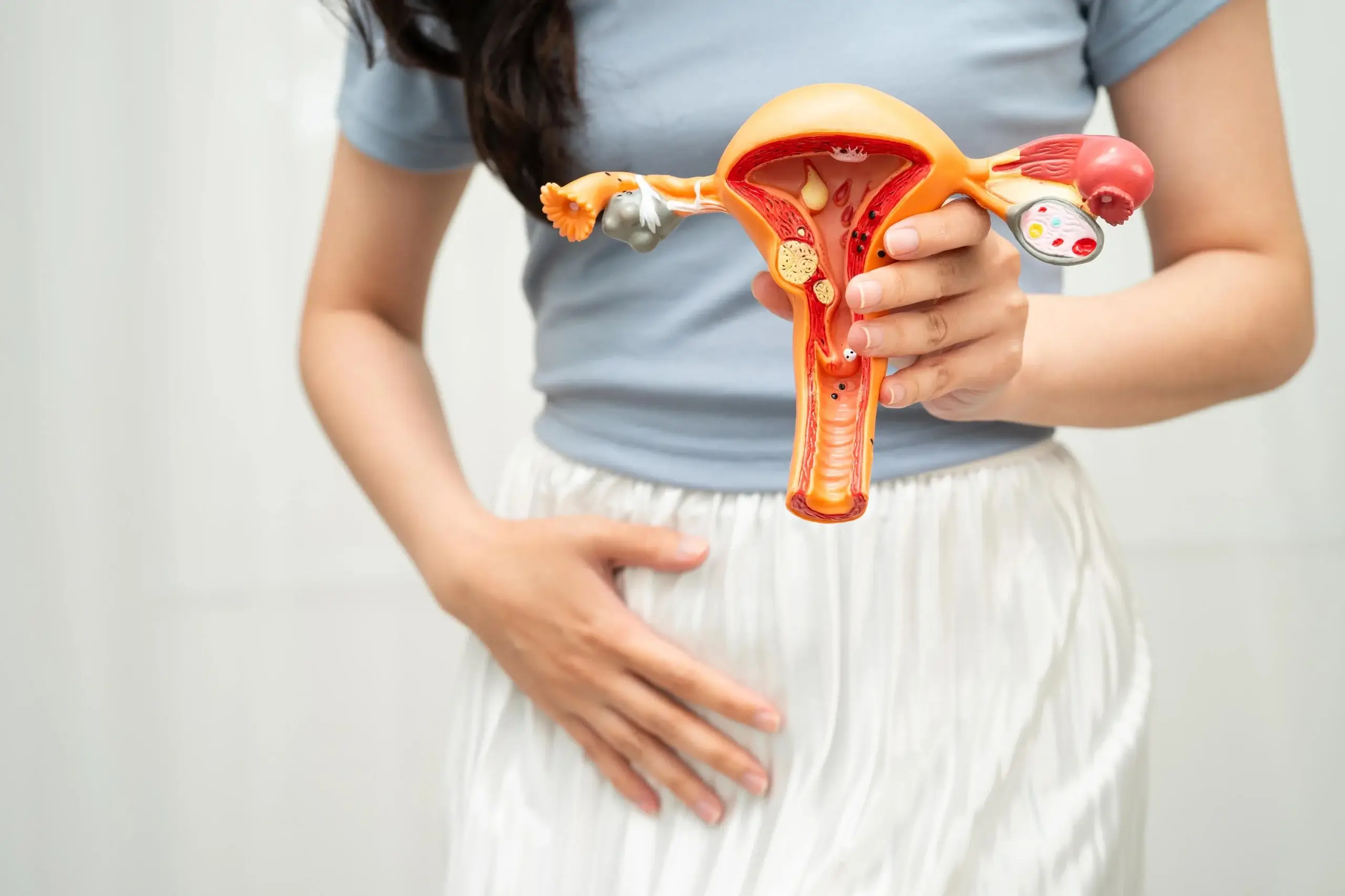
It is a whole-body biological transition, driven by profound hormonal shifts that affect nearly every system in the female body.
Understanding menopause symptoms is not about fear.
It is about context, clarity, and self-trust.
This guide explains what actually happens to your body during menopause, why symptoms appear the way they do, and how science helps us make sense of experiences that women have been living with silently for decades.
Menopause is defined as the point when a woman has gone 12 consecutive months without a menstrual period, without another medical cause.
The average age of menopause globally is around 51 years, though Indian women often experience it slightly earlier, between 46 and 49 years, according to data published in the Indian Journal of Endocrinology and Metabolism.
Menopause is not a sudden event. It is preceded by perimenopause, a transition that can begin 8 to 10 years earlier, during which most symptoms actually emerge.
What drives all of this is one central factor: A progressive decline and fluctuation of estrogen and progesterone.
These hormones do far more than regulate periods. They influence brain chemistry, bone strength, skin integrity, metabolism, immunity, sleep, mood, and cardiovascular health.
(WHO).
Estrogen receptors exist in:
The brain
The skin
Blood vessels
Bones
Muscles
Gut
Urogenital tissues
Immune cells
So when estrogen levels fall and fluctuate, the effects are systemic, not local.
This is why menopause symptoms often feel confusing or disconnected. In reality, they are deeply interconnected.
(WebMD).
The brain is one of the most estrogen-sensitive organs.
Common neurological and cognitive symptoms include:
Brain fog
Difficulty concentrating
Forgetfulness
Increased anxiety
Mood swings
Low mood or depressive symptoms
Irritability
Sleep disturbances
Estrogen plays a role in serotonin, dopamine, and GABA regulation. When estrogen fluctuates, emotional regulation becomes harder, sleep becomes fragmented, and stress sensitivity increases. Research shows that estrogen withdrawal alters neural connectivity involved in memory and emotional processing.
(PubMed Central).
Hot flashes and night sweats are among the most well-known menopause symptoms, affecting up to 75 percent of women, according to The North American Menopause Society.
These occur because estrogen helps regulate the hypothalamus, the brain’s temperature control center. When estrogen drops:
The temperature threshold narrows
Small changes trigger exaggerated heat responses
Blood vessels dilate rapidly, causing flushing and sweating
These symptoms can last several years and significantly disrupt sleep and quality of life.
(PubMed Central).
Sleep problems during menopause are both hormonal and neurological.
Women commonly report:
Difficulty falling asleep
Waking frequently at night
Early morning awakenings
Non-restorative sleep
Declining progesterone, which has a calming effect on the brain, combined with night sweats and cortisol dysregulation, creates a perfect storm for chronic sleep disruption.
(The Journal of The Menopause Society).
Estrogen is essential for bone and muscle health.
As estrogen declines:
Bone resorption increases
Bone formation slows
Muscle mass decreases
Joint lubrication reduces
This leads to:
Joint stiffness and aches
Increased risk of osteoporosis
Reduced strength and flexibility
Women can lose up to 20 percent of bone density in the first 5 to 7 years after menopause if left unsupported.
(PubMed Central).
Weight gain during menopause is not a failure of discipline.
Estrogen influences:
Insulin sensitivity
Fat distribution
Basal metabolic rate
As estrogen drops:
Fat shifts toward the abdomen
Muscle mass decreases
Insulin resistance increases
This explains why many women experience central weight gain despite unchanged eating habits.
(Better Health Channel).
Before menopause, estrogen offers some protection against cardiovascular disease.
After menopause:
LDL cholesterol often rises
HDL cholesterol may decline
Blood vessels become less elastic
Inflammation increases
Heart disease becomes the leading cause of death in women post-menopause, as noted by the British Heart Foundation.
(BHF).
Estrogen supports collagen, elastin, and hydration.
Its decline results in:
Thinner, drier skin
Increased sensitivity
Slower wound healing
Hair thinning or shedding
Loss of skin elasticity
Studies published in Dermato-Endocrinology show that skin collagen decreases by approximately 30 percent in the first five years after menopause.
(Clue).
Genitourinary symptoms are among the most under-discussed yet impactful menopause symptoms.
They include:
Vaginal dryness
Burning or irritation
Pain during intercourse
Recurrent urinary infections
Urinary urgency or leakage
Reduced libido
These changes occur because estrogen maintains the thickness, elasticity, and microbiome of urogenital tissues.
(JAMA).
During menopause, many women notice they feel less resilient to stress, even when they are mentally strong and capable. This happens because declining estrogen affects how the nervous system regulates stress hormones like cortisol.
As estrogen levels fluctuate:
The stress response activates more easily
Cortisol stays elevated for longer
Emotional recovery takes more time
This leads to menopause stress, where small pressures feel overwhelming and recovery feels slower.
Menopause fatigue is closely linked to this change. It is not just physical tiredness, but nervous system exhaustion caused by ongoing hormonal shifts, poor stress recovery, and disrupted sleep.
Women may feel:
Overstimulated by noise or multitasking
Emotionally drained faster than before
Less able to “bounce back” after stress
This does not mean women are becoming weaker. It means the body now needs different support.
During menopause, resilience shifts from pushing through to restoring balance. Supporting the nervous system helps reduce menopause fatigue and improves emotional bandwidth, clarity, and calm over time.
(The Menopause Charity).
| Symptom Category | Key Symptoms | Primary Hormonal Driver |
|---|---|---|
| Cognitive | Brain fog, memory lapses | Estrogen decline |
| Emotional | Anxiety, mood swings | Estrogen and progesterone fluctuation |
| Vasomotor | Hot flashes, night sweats | Hypothalamic instability |
| Musculoskeletal | Joint pain, stiffness | Estrogen loss |
| Metabolic | Weight gain, insulin resistance | Estrogen decline |
| Skin & Hair | Dry skin, hair thinning | Reduced collagen |
| Urogenital | Dryness, UTIs | Local estrogen deficiency |
| Feature | Perimenopause | Menopause |
|---|---|---|
| Periods | Irregular | Absent |
| Hormones | Fluctuating | Persistently low |
| Symptoms | Often intense and unpredictable | More stable but ongoing |
| Duration | Several years | Lifelong phase |
No two women experience menopause the same way.
Symptom severity is influenced by:
Genetics
Stress levels
Sleep quality
Nutrition
Physical activity
Gut health
Emotional load
Cultural silence or support
This is why a personalised, whole-body approach matters far more than one-size-fits-all advice.
Menopause symptoms are not signs of decline.
They are signals.
Signals that your body is transitioning, adapting, and asking for different forms of support.
At Miror, we believe women deserve:
Scientific clarity
Emotional validation
Individualised care
Honest conversations without fear or shame
Your body is not betraying you.
It is communicating.
If menopause symptoms feel confusing, overwhelming, or dismissed, you are not alone.
Understanding what happens to your body is the first step toward feeling steady again.
Support, when grounded in science and compassion, changes everything.
Early menopause symptoms often begin subtly and vary from woman to woman. Common early signs include irregular periods, changes in sleep quality, increased fatigue, mood shifts, and heightened sensitivity to stress. Some women also notice hot flashes, joint stiffness, or brain fog before periods stop completely. These symptoms occur as estrogen levels fluctuate and gradually decline.
No, menopause symptoms are highly individual. While some women experience mild changes, others notice more pronounced physical and emotional shifts. Genetics, lifestyle, stress levels, body composition, and overall health all influence how menopause symptoms appear and progress. This is why a personalised approach to menopause care is often more effective than one-size-fits-all advice.
Menopause symptoms are driven primarily by hormonal changes, not aging alone. The rapid decline and fluctuation of estrogen affects multiple systems in the body at once, including the brain, bones, skin, metabolism, and cardiovascular system. This hormonal transition can intensify symptoms that feel sudden or unfamiliar, even in otherwise healthy women.
Menopause symptoms can last anywhere from a few years to over a decade, depending on the individual. For many women, symptoms begin during perimenopause and may continue for several years after the final menstrual period. Some symptoms, such as hot flashes or sleep disturbances, may ease over time, while others like joint pain or vaginal dryness can persist without proper support.
Menopause symptoms should be evaluated if they interfere with daily life, sleep, emotional wellbeing, or overall health. Severe hot flashes, persistent fatigue, mood changes, unexplained weight gain, or pain should not be ignored. A medical evaluation helps rule out other conditions and allows for informed decisions about lifestyle changes, supplements, or clinical treatment options.





 ×
×