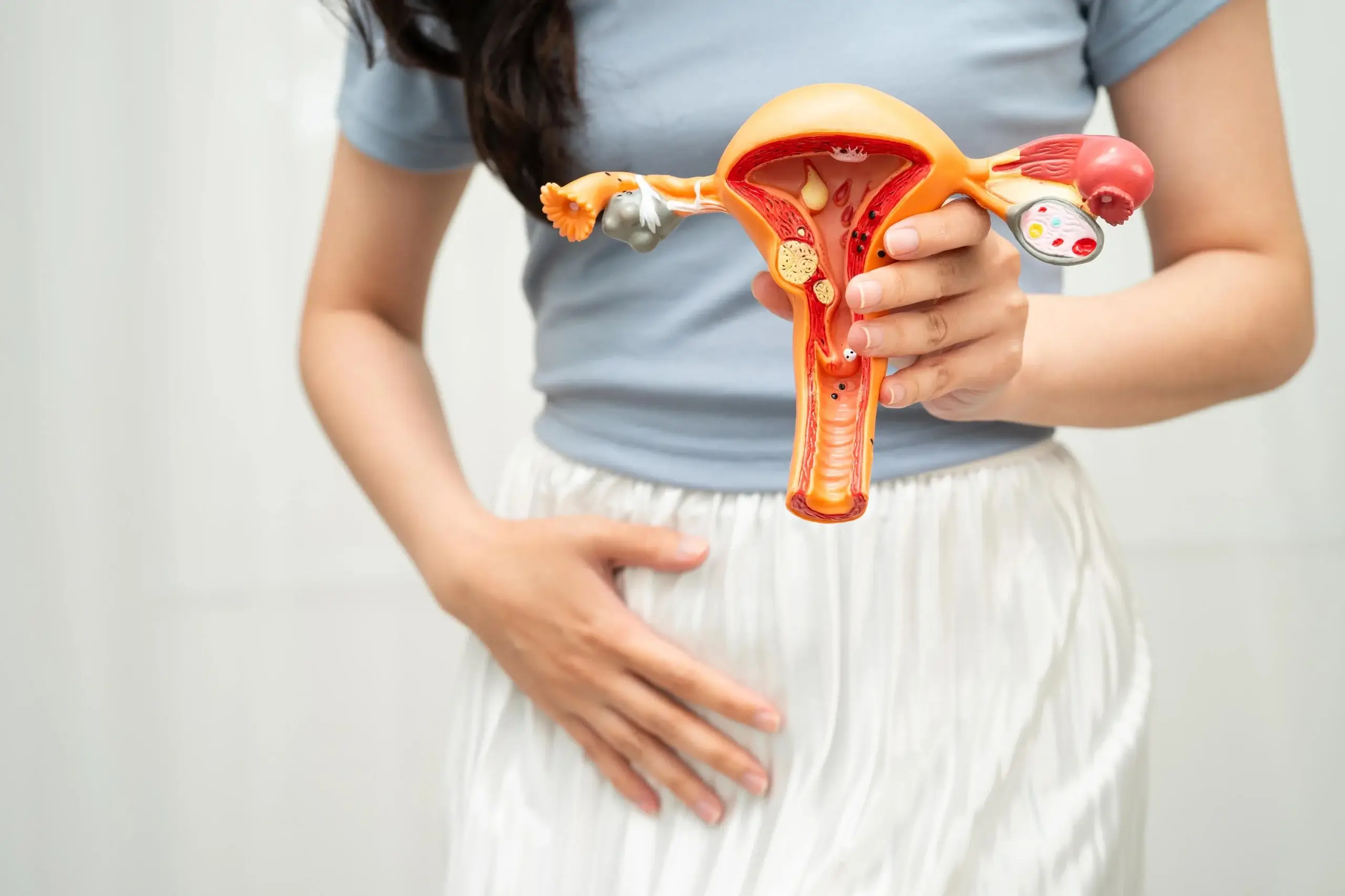


Periods shape a woman’s life for decades. They influence fertility, emotional rhythms, energy levels, and overall health in ways we often take for granted. Then slowly, sometimes quietly and sometimes dramatically, this monthly cycle begins to change and eventually comes to an end.
If you have ever asked yourself when will periods stop, you are asking one of the most natural questions about the female body. This transition is not a sudden event but a gradual biological process that unfolds over several years.
In this article, we explore when periods typically stop, why this happens, the early signs your body gives you, how long the transition lasts, what changes occur after menopause, and how to support yourself through this powerful life stage with clarity and confidence.
The menstrual cycle is controlled by a sophisticated hormonal system involving the brain and the ovaries. Estrogen thickens the uterine lining, while progesterone prepares it to support pregnancy after ovulation. If pregnancy does not occur, this lining sheds as a period.
As women age, the number of eggs in the ovaries gradually decreases. With fewer eggs available, hormone production becomes irregular. Estrogen may spike high one month and drop sharply the next. Progesterone falls as ovulation becomes less consistent.
Over time, the hormonal rhythm that once created regular cycles weakens. Eventually ovulation stops completely and estrogen levels remain consistently low. Without these hormones stimulating the uterus, the menstrual cycle ends.
Medical experts explain that menopause is officially diagnosed after twelve consecutive months without a menstrual period, marking the permanent end of reproductive cycles.
While every woman’s experience is unique, research shows consistent age patterns across populations.
| Population | Average Age | Typical Range |
|---|---|---|
| Global Average | 50 years | 45 to 55 years |
| United States | 51 years | 45 to 55 years |
| Indian Women | Around 46 years | 42 to 49 years |
| Early Menopause | Before 40 years | Variable |
| Late Menopause | After 55 years | Variable |
Indian women often reach menopause earlier than women in Western countries. Genetics plays the strongest role in timing, but nutrition, long term stress, overall health, smoking, and environmental factors also influence when periods stop.
Women are born with all the eggs they will ever have. This ovarian reserve slowly declines from birth and drops more rapidly after the late thirties.
As egg supply decreases, the ovaries respond less efficiently to hormonal signals from the brain. Estrogen production becomes unpredictable, while progesterone decreases due to irregular ovulation.
This imbalance disrupts the menstrual cycle. Some months estrogen builds the uterine lining excessively, causing heavy bleeding. Other months little lining forms, resulting in very light or missed periods.
Eventually estrogen remains low and ovulation ceases entirely. Without hormonal stimulation, the uterus no longer thickens or sheds its lining, bringing periods to a permanent end.
This natural process is influenced by genetics, lifestyle habits, health conditions, and long term stress exposure.
The body typically begins signaling menopause several years before the final period during perimenopause.
Cycles become unpredictable. Periods may arrive early, be delayed, skip for months, or vary widely in flow. This happens because ovulation becomes inconsistent and progesterone levels fall while estrogen fluctuates.
Sudden warmth spreads across the chest, face, and neck, often accompanied by sweating and rapid heartbeat. Estrogen influences the brain’s temperature control system, and its fluctuation triggers these heat responses.
Hormonal shifts disrupt melatonin production and circadian rhythm. Night sweats further interrupt sleep, leading to fatigue and mood changes.
Fluctuating estrogen affects neurotransmitters involved in mood and focus. Many women experience anxiety, irritability, sadness, emotional sensitivity, and brain fog.
Lower estrogen affects skin elasticity, vaginal moisture, metabolism, and energy levels, leading to dryness, discomfort, and body composition changes.
| Symptom | Body Change | Hormonal Cause |
|---|---|---|
| Irregular periods | Inconsistent ovulation | Estrogen and progesterone shifts |
| Hot flashes | Temperature sensitivity | Declining estrogen |
| Sleep problems | Circadian disruption | Hormone imbalance |
| Mood changes | Neurochemical effects | Hormone fluctuations |
| Vaginal dryness | Tissue thinning | Reduced estrogen |
Perimenopause usually lasts between four and eight years, though some women experience symptoms for a decade or longer.
As ovarian activity declines, the time between periods becomes longer. Some women may go months without bleeding before their final period occurs.
Menopause is officially diagnosed only after twelve consecutive months without menstruation.
Premature menopause before forty may occur due to genetics, autoimmune conditions, ovarian insufficiency, surgery, chemotherapy, or radiation.
Early menopause between forty and forty five may occur naturally or be influenced by smoking, chronic illness, or stress.
Late menopause after fifty five reflects prolonged ovarian hormone production and may slightly affect long term health risks.
After menopause, estrogen remains consistently low, leading to widespread changes throughout the body. For many women who once wondered when will periods stop, this stage marks the beginning of a new hormonal balance that affects multiple systems at once.
Bone density begins to decline more rapidly because estrogen normally slows bone breakdown. Without it, bones lose strength faster, especially in the hips, spine, and wrists. This increases the risk of osteoporosis and fractures.
Cardiovascular health also changes. Estrogen helps maintain flexible blood vessels and healthy cholesterol levels. After menopause, LDL cholesterol often rises while blood vessels become stiffer, increasing the risk of heart disease.
Metabolism slows, making weight gain easier and weight loss harder. Fat tends to redistribute toward the abdomen. Muscle mass naturally declines with age, further reducing calorie burning.
The brain adapts to lower estrogen levels, which can temporarily affect memory, focus, and emotional regulation. Many women experience brain fog, anxiety, or mood shifts that often improve with time and healthy habits.
Skin becomes thinner and drier due to reduced collagen production. Hair may become finer or drier. Vaginal and urinary tissues lose moisture and elasticity, which can cause discomfort and increased irritation.
These changes are common and manageable with informed care.
Supporting the body during menopause requires a holistic and deeply compassionate approach, one that honors the changes taking place rather than resisting them. As many women begin wondering when will periods stop, it becomes equally important to focus on how the body can be nurtured through this transition and supported for long term health and vitality.
Nutrition forms the foundation of menopausal wellbeing. Adequate protein intake helps preserve muscle mass, which naturally declines with age and hormonal shifts. Calcium and vitamin D are essential for maintaining bone strength and reducing the risk of osteoporosis, while magnesium and other micronutrients support nerve function and sleep quality. Fiber rich foods improve digestion, stabilize blood sugar levels, and promote heart health, which becomes increasingly important after menopause. Healthy fats from nuts, seeds, avocados, and fatty fish help reduce inflammation and support hormone regulation within the body.
Regular physical movement is equally vital. Strength training not only builds muscle but also stimulates bone growth, helping counteract the bone loss that accelerates after menopause. Walking, swimming, cycling, and other cardiovascular activities strengthen the heart and improve circulation. Stretching and balance exercises such as yoga or gentle mobility work protect joints, prevent falls, and maintain flexibility as the body adapts to hormonal changes.
Stress management plays a powerful role in easing menopausal symptoms. Hormonal fluctuations can make the nervous system more sensitive to stress, intensifying hot flashes, sleep disturbances, and emotional shifts. Practices such as mindfulness, deep breathing, journaling, meditation, and regular relaxation help calm cortisol levels and create a greater sense of emotional stability and wellbeing.
Alongside balanced nutrition and lifestyle changes, many women who are navigating the stage when will periods stop benefit from targeted nutritional support designed to promote energy, digestion, inflammation balance, and overall vitality during the post menopause years. Thoughtfully formulated wellness solutions can help the body adapt more smoothly to hormonal changes while supporting long term health.
Medical care continues to be an essential pillar of support. Regular screenings for bone density, cholesterol levels, blood pressure, blood sugar, and overall health allow early detection of potential risks and personalized preventive care. Open conversations with healthcare providers about symptoms, lifestyle changes, and treatment options empower women to make informed decisions about their health.
When the body is supported with nourishment, movement, rest, and medical guidance, the menopausal transition becomes far more manageable and even empowering. Rather than simply waiting for change, women can actively build strength, resilience, and long term wellbeing through every stage of this journey.
Menopause is not an ending but a profound transformation, one that marks the body’s shift from its reproductive rhythm into a new season of strength, clarity, and self awareness. For years, many women quietly wonder when will periods stop, often with a mix of curiosity, worry, and uncertainty. Yet when this moment finally arrives, it is not a loss, but an invitation to reconnect with the body in deeper and more compassionate ways.
For many women, this phase brings emotional steadiness, greater confidence, and relief from the monthly hormonal fluctuations that once shaped mood, energy, and routine. Without the constant cycle of hormonal highs and lows, life often feels more balanced and predictable. There is space to prioritize health, nurture mental wellbeing, and listen closely to what the body truly needs.
This stage also encourages a renewed focus on long term vitality. Women become more intentional about nutrition, movement, rest, and preventive care, building a foundation for strong bones, a healthy heart, and emotional resilience. It is a time when self care is no longer optional but essential, and deeply empowering.
With the right knowledge, medical guidance, and emotional support, this becomes a powerful chapter of growth and renewal rather than something to fear. It is a period of wisdom, self trust, and inner strength shaped by years of lived experience.
Your body is not declining. It is evolving, adapting, and guiding you into a new phase of confident, vibrant womanhood.
Most irregular periods, hot flashes, mood changes, and sleep issues are normal during perimenopause. However, very heavy bleeding, bleeding after menopause, severe pain, or sudden dramatic symptoms should always be evaluated by a doctor.
Yes. Stress increases cortisol levels, which can intensify hot flashes, sleep problems, and emotional symptoms. Managing stress often improves overall comfort during menopause.
Weight gain is common due to metabolic changes, but it is not inevitable. Strength training, balanced nutrition, and regular activity significantly help maintain healthy weight.
Most symptoms improve within a few years after menopause, though some women experience longer lasting changes depending on lifestyle and health factors.
Hormonal changes can influence mood and anxiety levels. Support, healthy routines, and medical guidance help maintain emotional wellbeing.




 ×
×