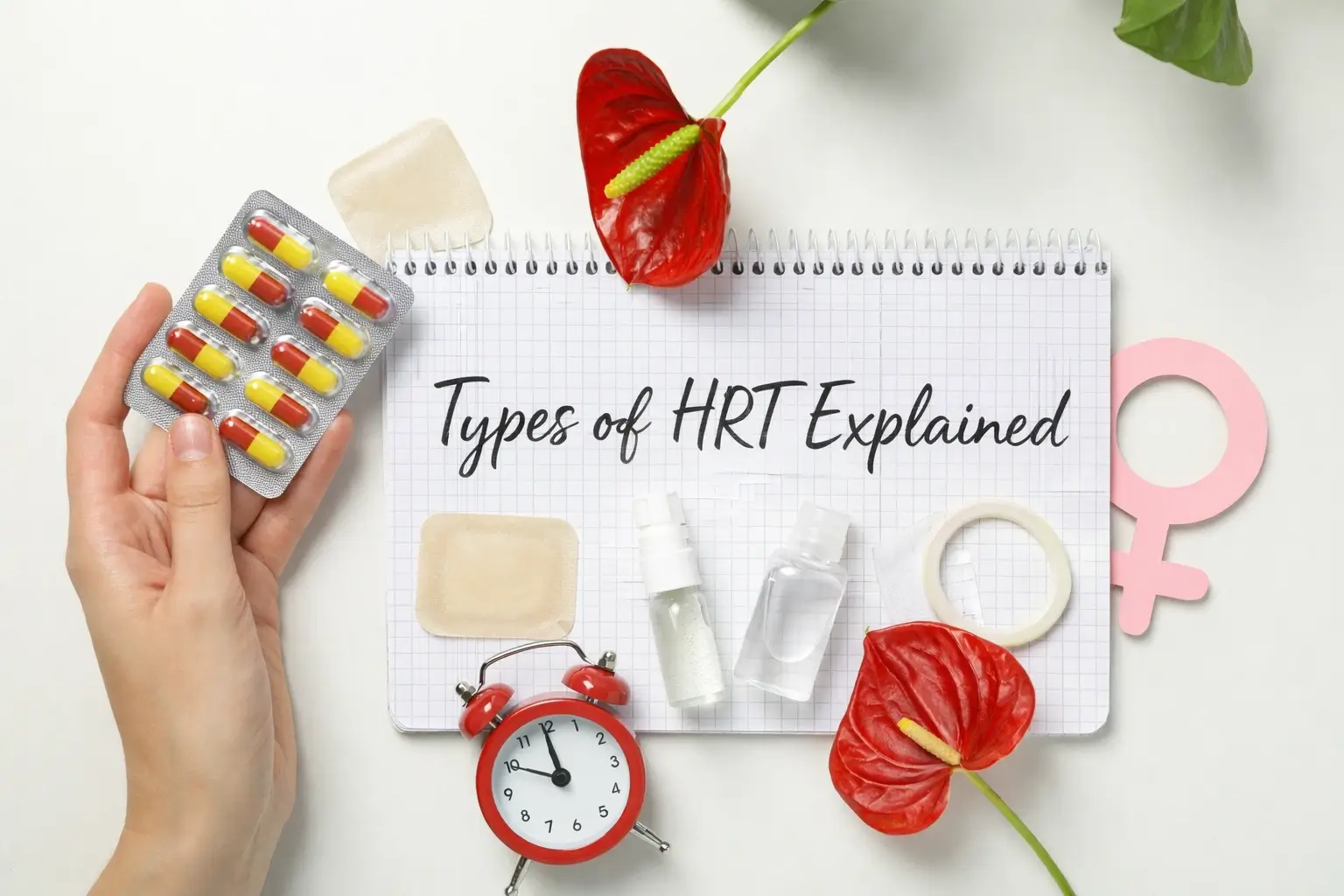

Menopause pills side effects are often discussed in whispers. They are framed either as something to fear or as a miracle solution. As with most conversations around women’s health, the truth lives in nuance, evidence, and individual context.
Menopause itself is not an illness. It is a natural biological transition. Yet the symptoms it can bring hot flashes, sleep disruption, anxiety, vaginal dryness, joint pain, brain fog, and sudden fatigue can profoundly affect daily life, work, relationships, and long-term wellbeing.
For many women, these changes arrive quietly and then linger persistently. When lifestyle changes and supplements are no longer enough, doctors may recommend menopause pills as part of medical treatment. Understanding their benefits, risks, and side effects becomes essential not just for symptom relief, but for making informed, confident decisions about health.
This guide explores menopause pills side effects with clarity and compassion. It explains what doctors prescribe, why certain side effects occur, which ones are temporary, which require attention, and how women can choose treatment without fear or confusion.
Menopause pills is a broad term. Medically, it may include:
Hormone Replacement Therapy (HRT)
Low-dose vaginal estrogen
Non-hormonal prescription medicines
Bone-protective medications
Mood, sleep, or metabolic support drugs
Each works differently.
Each has different benefits and side effects.
And none should be prescribed without individual assessment.
Many women experience mild symptoms in the first few weeks, such as:
Breast tenderness
Mild bloating
Headaches
Nausea
These usually settle as the body adapts. Abruptly stopping medication during this phase often causes more discomfort than continuing under guidance.
A common fear is that menopause pills force the body into something unnatural.
Clinically, hormone therapy works by supporting physiological levels, not exceeding them. When prescribed correctly, doses are tailored to age, symptoms, and stage of menopause.
Side effects often arise from dose mismatch, not hormones themselves.
(PubMed Central).
This is one of the most misunderstood areas.
Current evidence from bodies like the North American Menopause Society and Indian Menopause Society shows:
Estrogen-only therapy does not increase breast cancer risk in women without a uterus
Combined estrogen-progesterone therapy carries a small risk, which depends on duration, type, and individual history
Risk assessment is personal, not universal.
Oral estrogen slightly increases clot risk in some women.
However:
Transdermal forms (patches, gels) carry significantly lower risk
Risk is higher with smoking, obesity, and clotting disorders
Side effects must always be interpreted in context, not isolation.
(PubMed Central).
Menopause pills can temporarily affect mood as neurotransmitters adjust.
Some women report:
Emotional sensitivity
Irritability
Anxiety shifts
These effects are often transient and stabilise as estrogen interacts with serotonin and dopamine pathways.
Local estrogen therapy works directly on vaginal tissue.
Clinical benefits include:
Reduced dryness
Less painful intercourse
Lower UTI frequency
Systemic absorption is minimal, making side effects rare and safety high — even for women who cannot take full HRT.
Medicines like low-dose antidepressants or gabapentin are sometimes prescribed.
Possible side effects include:
Drowsiness
Dry mouth
Mild dizziness
These do not treat hormone loss, but calm the hypersensitive nervous system often seen in menopause.
(Frontiers).
Medications for bone density may cause:
Gastrointestinal discomfort
Muscle aches
However, untreated bone loss carries far greater long-term risk. Side effects are weighed against fracture prevention.
Weight gain during menopause is more closely linked to:
Estrogen decline
Insulin sensitivity changes
Muscle loss
Sleep disruption
Menopause pills do not automatically cause weight gain. In fact, stabilising hormones often supports metabolic balance when combined with nutrition and strength training.
Prescription medicine and nutritional support are not opposites.
At Miror, this integration is intentional.
Miror Thrive (Post-Menopause Support 45+) Designed for women after menopause, Thrive supports:
Hormonal steadiness
Bone and joint health
Sleep quality
Mood balance and energy
Formulated with phytoestrogens, adaptogens, minerals, and calming nutrients, it complements medical care without replacing it.
Most side effects are adjustment signals, not warnings.
They guide:
Dose refinement
Delivery method changes
Timing adjustments
The goal is not to “push through discomfort,” but to work with the body intelligently.
Doctors consider:
Symptom pattern and severity
Stage of menopause
Medical and family history
Lifestyle and stress load
Personal comfort with treatment
Age alone is never the deciding factor.
Miror’s HRT Centre of Excellence is India’s first structured, science-led platform for personalised hormone care.
Each plan is built after:
Hormonal assessment
Symptom mapping
Risk evaluation
Ongoing medical monitoring
This replaces fear-based decisions with clarity and safety.
| Aspect | Menopause Pills | Nutritional & Lifestyle Support |
|---|---|---|
| Speed of relief | Faster | Gradual |
| Hormone restoration | Direct | Indirect |
| Bone protection | Strong | Supportive |
| Symptom control | Targeted | Holistic |
| Best outcomes | Combined | Combined |
Menopause pills are not a moral choice.
They are a medical one.
Some women need hormones.
Some need non-hormonal support.
Some thrive with supplements and lifestyle alone.
What matters is informed choice, individual care, and ongoing support.
At Miror, we believe women deserve clarity, dignity, and continuity, not confusion or fear at every stage of midlife and beyond.
The most common menopause pills side effects include mild bloating, breast tenderness, nausea, headaches, and temporary mood changes. These effects usually appear in the first few weeks of treatment and often settle as the body adjusts. Side effects vary depending on the type of medicine, dosage, and individual health profile.
For most women, menopause pills do not cause long-term health problems when prescribed correctly and monitored regularly. Large clinical studies show that hormone therapy is generally safe for healthy women when started within ten years of menopause onset and tailored to individual risk factors.
No, menopause pills side effects are highly individual. Age, stage of menopause, existing medical conditions, family history, lifestyle factors, and the specific medication used all influence how a woman responds. This is why personalised treatment plans are essential.
Weight gain and fatigue during menopause are more commonly linked to hormonal changes, muscle loss, sleep disruption, and metabolic shifts rather than menopause pills themselves. In many cases, properly prescribed menopause medicine helps stabilise energy levels and metabolic health instead of worsening them.
Menopause pills should only be stopped or adjusted under medical guidance. Severe symptoms such as chest pain, unexplained swelling, persistent heavy bleeding, or sudden neurological symptoms require immediate evaluation. Mild side effects usually improve with dose or formulation adjustments rather than discontinuation.



 ×
×