
There is a quiet assumption that once menopause ends, the difficult part is over.
The hot flashes should fade.
The mood swings should settle.
The body should finally feel stable again.
But for many women, postmenopause brings a different reality.
Symptoms do not always disappear. Instead, they evolve. The body recalibrates. New health considerations emerge. And while the monthly cycle is gone, the influence of hormones remains deeply present.
Understanding postmenopausal symptoms is not about fear. It is about clarity. This phase is not an ending. It is a new physiological chapter that deserves informed, compassionate attention.
Postmenopause refers to the stage of life that begins 12 consecutive months after a woman’s final menstrual period.
At this point:
Ovarian estrogen production remains consistently low
Progesterone levels stay minimal
Hormonal fluctuations are less dramatic but more permanent
Unlike perimenopause, where hormones swing unpredictably, postmenopause is marked by hormonal steadiness at lower levels.
This stability can feel relieving for some women. For others, it reveals symptoms and health changes that were previously masked.
(Cleveland Clinic).
Menopause is not a single event. It is a transition that reshapes how nearly every system in the body functions.
Estrogen plays a role in:
Bone density
Cardiovascular health
Brain chemistry
Skin integrity
Muscle maintenance
Metabolic regulation
When estrogen remains low long-term, the effects accumulate quietly over time.
This is why postmenopausal symptoms deserve the same attention as perimenopausal ones, even if they appear subtler.
(University of Utah).
One of the most persistent postmenopausal symptoms is vaginal dryness.
Low estrogen affects the vaginal lining, leading to:
Reduced lubrication
Thinning tissue
Increased irritation or burning
Discomfort during intimacy
Higher risk of urinary tract infections
These changes are collectively referred to as genitourinary syndrome of menopause, and they often worsen with time if unaddressed.
Clinical guidance from the North American Menopause Society confirms that localized estrogen therapy and non-hormonal moisturisers can significantly improve quality of life.
(Harvard Health).
After menopause, women lose bone density more rapidly than men of the same age.
Postmenopausal estrogen deficiency accelerates bone resorption, increasing the risk of:
Osteopenia
Osteoporosis
Hip, spine, and wrist fractures
| Years After Menopause | Bone Health Impact |
|---|---|
| 1–5 years | Accelerated bone loss |
| 5–10 years | Increased fracture vulnerability |
| 10+ years | Osteoporosis risk peaks |
Early assessment, adequate calcium and vitamin D intake, strength training, and medical support when needed are essential preventive measures.
(PubMed Central).
Many women report joint aches after menopause even without arthritis.
This occurs because estrogen influences:
Collagen synthesis
Joint lubrication
Inflammatory regulation
Postmenopausal symptoms often include:
Morning stiffness
Reduced flexibility
Slower recovery after physical activity
These changes are biological, not a sign of weakness or inactivity.
(Loyola Medicine).
Weight gain after menopause is not simply about calories.
Lower estrogen shifts fat storage toward the abdomen and reduces insulin sensitivity. Muscle mass also declines more rapidly without targeted resistance training.
Postmenopausal metabolic changes may include:
Central fat accumulation
Slower basal metabolic rate
Increased insulin resistance
Difficulty losing weight despite effort
Research published in The Journal of Clinical Endocrinology and Metabolism highlights the importance of protein intake, strength training, and sleep in preserving metabolic health after menopause.
(Journal of Mid-Life Health).
Before menopause, estrogen offers a degree of cardiovascular protection.
After menopause:
LDL cholesterol often rises
HDL cholesterol may decrease
Blood vessel elasticity reduces
This contributes to an increased risk of heart disease, which becomes the leading cause of mortality in postmenopausal women globally.
Postmenopausal symptoms may not include obvious heart-related signs, making regular screening critical.
(PubMed Central).
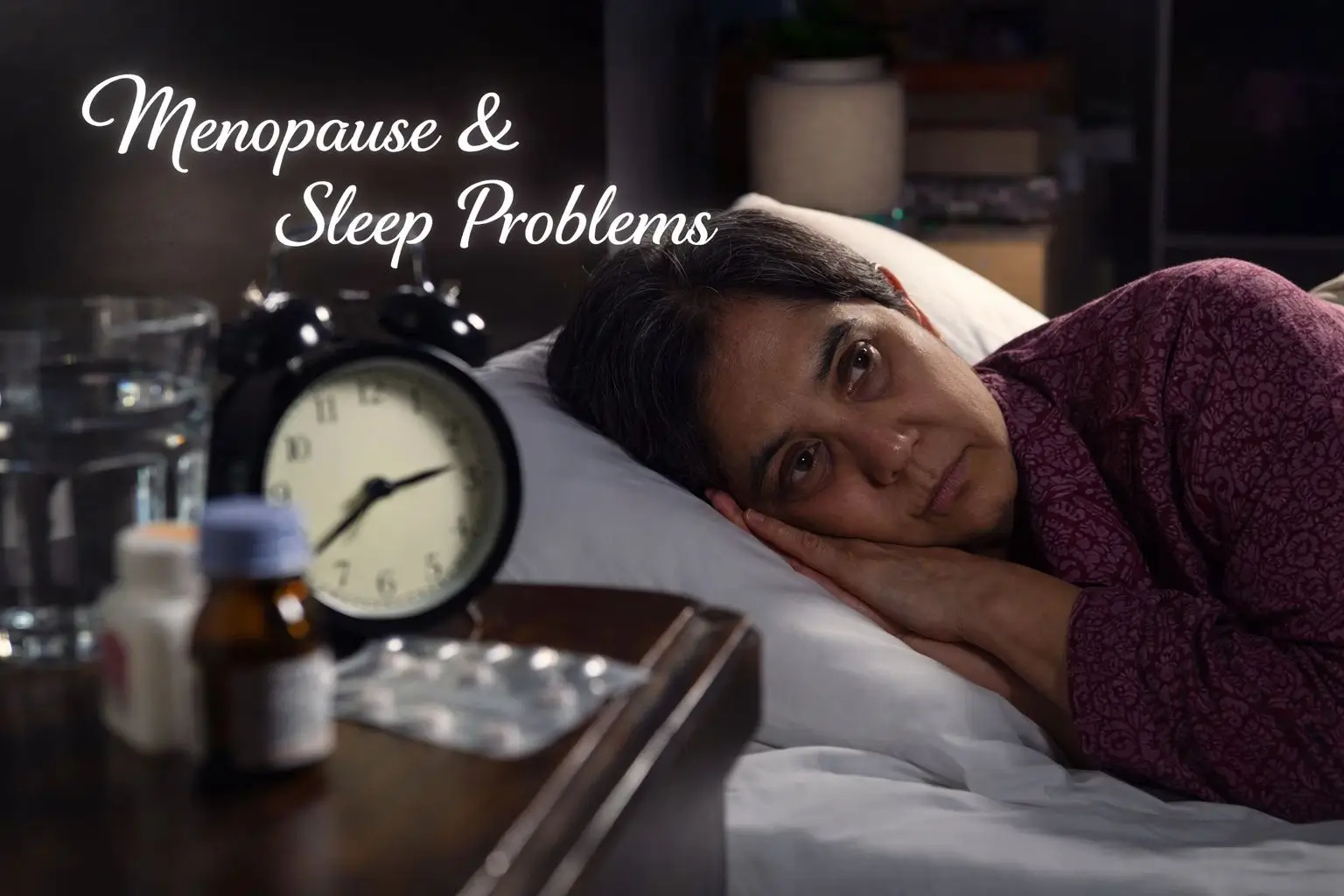
While hot flashes may lessen, sleep issues often continue.
Postmenopausal sleep problems include:
Difficulty staying asleep
Early morning waking
Non-restorative sleep
These disturbances are linked to changes in melatonin, cortisol rhythm, and neurotransmitter balance.
Poor sleep further affects mood, metabolism, and cognitive function.
(ScienceDirect).
Estrogen supports neurotransmitters involved in memory, focus, and emotional regulation.
Postmenopausal women may notice:
Word-finding difficulty
Reduced concentration
Mental fatigue
These cognitive shifts are usually subtle but can feel unsettling. They are not a reflection of intelligence or capability.
(The Menopause Charity).
Hormonal steadiness does not always mean emotional steadiness.
Postmenopausal symptoms can include:
Low mood
Anxiety
Reduced stress tolerance
Emotional flatness or irritability
Neurochemical changes, sleep disruption, and life stressors often intersect during this stage.
Mental health support remains just as important after menopause as before it.
(Metropolis).
Estrogen supports collagen production and skin hydration.
Postmenopausal changes often include:
Thinner, drier skin
Reduced elasticity
Hair thinning
Increased bruising
While these shifts are natural, targeted nutrition and medical support can improve tissue health significantly.
(Medicine Today).
Desire does not disappear with menopause, but it may change.
Lower estrogen and testosterone influence:
Libido
Arousal
Comfort
Addressing vaginal health, emotional well-being, and relationship factors is key to preserving sexual health after menopause.
(ScienceDirect).
Seek professional guidance if you experience:
Persistent vaginal discomfort
Sudden bone fractures
Unexplained fatigue or low mood
Rapid weight gain
Cognitive changes that interfere with daily life
Postmenopause is not a phase to endure silently.
Postmenopausal care may include:
Hormone therapy where appropriate
Local estrogen treatment
Bone-protective medication
Nutritional support
Strength and balance training
Sleep and stress regulation strategies
| Support Type | Primary Benefit |
|---|---|
| Hormone therapy | Symptom relief, bone protection |
| Nutrition | Metabolic and tissue support |
| Strength training | Bone and muscle preservation |
| Sleep care | Cognitive and emotional balance |
Combination approaches are often most effective.
At Miror, we believe postmenopause is not a decline. It is a stage that requires different care, not less care.
Women deserve:
Clear information
Individualised support
Respect for long-term health goals
This belief underpins Miror’s work in advancing hormone health education and its pioneering efforts toward India’s first structured HRT Centre of Excellence.
After menopause, the body’s needs shift from hormonal fluctuation management to long-term stability, bone protection, metabolic balance, and emotional steadiness. Miror Thrive is formulated specifically for women in the postmenopausal stage, recognising that support at this phase must be gentle, consistent, and clinically sensible.
It combines carefully selected phytoestrogens, adaptogens, and essential nutrients that help support bone strength, cardiovascular health, joint comfort, sleep quality, and mood balance without introducing synthetic hormones.
Designed for daily use, Thrive works alongside medical care and lifestyle strategies to provide foundational nutritional support during postmenopause, helping women feel steady, supported, and resilient as their bodies settle into this new hormonal baseline.
Postmenopausal symptoms are not failures of the body.
They are signals of adaptation.
When supported early and intelligently, this phase can be marked by:
Strength
Stability
Confidence
Renewed self-trust
Understanding what changes after menopause allows women to move forward informed, not uncertain.
At Miror, we believe clarity is the foundation of well-being.
Postmenopausal symptoms commonly include hot flashes, vaginal dryness, sleep disturbances, joint pain, fatigue, mood changes, weight redistribution, and reduced bone density. These symptoms occur due to sustained low estrogen levels after menopause and may persist for years without appropriate support.
Postmenopausal symptoms can last anywhere from a few years to over a decade. While some symptoms like hot flashes may ease over time, others such as bone loss, vaginal dryness, and cardiovascular risk can progress with age if not addressed.
Yes. Menopause symptoms occur during the transition when periods stop, while postmenopausal symptoms reflect long-term hormonal changes after menopause is complete. Postmenopause is more strongly associated with bone health changes, metabolic shifts, and urogenital symptoms.
Yes. Untreated postmenopausal symptoms are linked to increased risks of osteoporosis, heart disease, insulin resistance, and cognitive decline. This is why postmenopause is considered a critical phase for preventive healthcare, not just symptom management.
Postmenopausal symptoms can be managed through a combination of lifestyle changes, nutritional support, supplements, and medical treatments such as hormone replacement therapy when appropriate. Individualised care based on symptoms, age, and medical history offers the best outcomes.



 ×
×