

Postmenopausal osteoporosis treatment is no longer just about preventing fractures in old age.
It is about protecting independence, mobility, confidence, and quality of life in the decades after menopause.
For many women, osteoporosis arrives quietly. There is no pain at first. No warning sign you can feel.
Bone loss often begins years before the first fracture ever happens.
This is why postmenopausal osteoporosis deserves early, informed, and compassionate care.
This guide explains what actually happens to bones after menopause, the most effective postmenopausal osteoporosis treatment options available today, and how women can make decisions without fear or confusion.
Estrogen plays a central role in bone renewal. After menopause, estrogen levels fall sharply.
As a result:
Bone breakdown speeds up
Bone formation slows down
Bone density declines faster than at any other life stage
Studies show that women can lose up to 20 percent of bone mass in the first 5 to 7 years after menopause (International Osteoporosis Foundation).
This is why osteoporosis is far more common in women than men, especially after age 50.
(Endocrine Society).
Postmenopausal osteoporosis is a condition where bones become thin, porous, and fragile due to long-term estrogen deficiency after menopause. It increases the risk of fractures.
Especially in the:
Spine
Hip
Wrist
Pelvis
These fractures are not minor injuries. Hip fractures in particular are associated with long-term disability and reduced independence.
(ScienceDirect).
Calcium and vitamin D are foundational for bone health.
Calcium supports bone structure
Vitamin D improves calcium absorption
Most postmenopausal women do not meet daily requirements through diet alone.
Clinical guidance:
Calcium: 1000–1200 mg daily
Vitamin D: 800–1000 IU daily
Adequate calcium and vitamin D intake form the foundation of postmenopausal osteoporosis prevention, but absorption, utilisation, and consistency often decline with age.
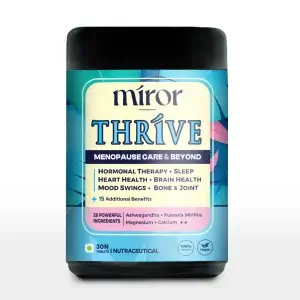
This is where structured nutritional support can complement medical treatment. Miror Thrive, formulated specifically for postmenopausal women, supports bone density, joint comfort, and muscular strength through a carefully balanced blend of calcium, magnesium, vitamin D, and plant-based actives that aid mineral absorption and reduce inflammation.
Designed for daily use after menopause, it helps address stiffness, fatigue, and skeletal vulnerability without relying on synthetic hormones.
As women move into their mid-sixties and beyond, bone health intersects closely with muscle strength, balance, and recovery.
Miror MILY is designed for women aged 65 and above, offering gentle yet effective support for joints, muscles, and overall vitality. With nutrients that assist mobility, energy, and musculoskeletal resilience, MILY helps reduce fall risk and supports independence in later years.
This age-specific approach ensures that nutritional care evolves alongside the body’s changing needs, rather than remaining static.
Exercise is one of the most effective non-drug postmenopausal osteoporosis treatments.
Best options include:
Strength training
Walking and stair climbing
Yoga and balance exercises
Low-impact resistance workouts
Exercise slows bone loss and reduces fall risk by improving balance and muscle strength.
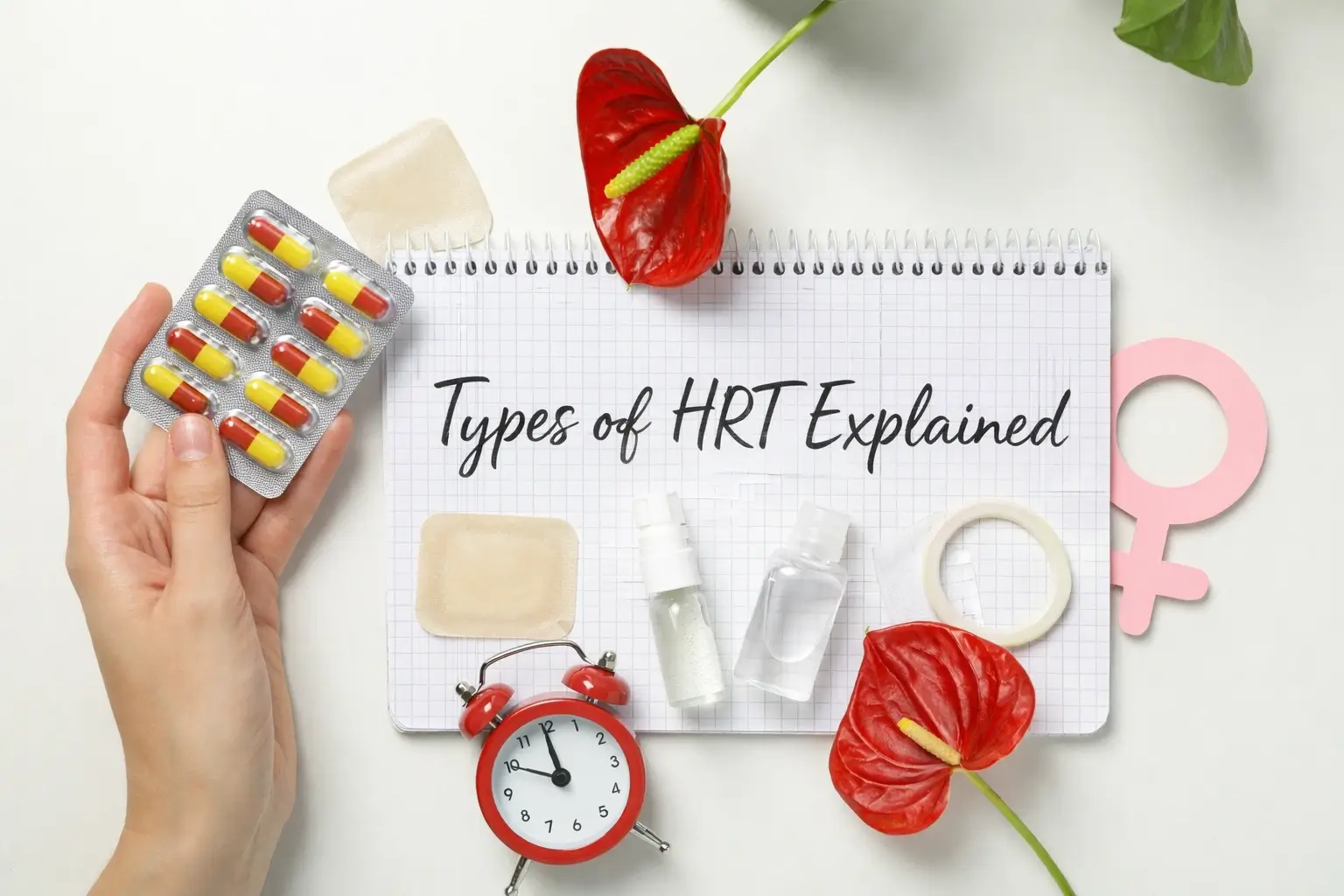
Hormone Replacement Therapy remains one of the most effective treatments for preventing bone loss in early postmenopause.
HRT works by:
Restoring estrogen levels
Slowing bone breakdown
Reducing fracture risk
Large studies confirm that HRT is most beneficial when started within 10 years of menopause onset, in women without contraindications (North American Menopause Society).
While Hormone Replacement Therapy has been evidence-backed and widely practised across global healthcare systems for decades, access to structured, ethical, and personalised HRT care has remained limited in India. To address this gap, Miror has launched India’s first HRT Centre of Excellence, a dedicated, science-led initiative focused entirely on women’s midlife hormonal health.
This centre is designed to move HRT away from fear-based narratives and toward informed, individualised care. Each woman’s treatment pathway is built after detailed hormonal evaluation, symptom mapping, medical history review, and ongoing monitoring by trained clinicians.
The goal is not blanket hormone prescription, but precise, stage-appropriate therapy that prioritises safety, symptom relief, and long-term bone, heart, and metabolic health.
By bringing together global clinical guidelines, Indian population data, and continuity of care, Miror’s HRT Centre of Excellence marks a pivotal shift in how postmenopausal osteoporosis and hormone-related conditions are addressed in India.
Bisphosphonates are commonly prescribed medications for postmenopausal osteoporosis.
They work by slowing bone resorption.
Examples include:
Alendronate
Risedronate
Zoledronic acid
These drugs reduce fracture risk but require medical supervision due to potential long-term side effects.
(Cleveland Clinic).
SERMs mimic estrogen’s protective effect on bones without acting on breast or uterine tissue.
They may be suitable for women who cannot take full HRT.
SERMs can:
Improve bone density
Reduce spinal fracture risk
For women with severe osteoporosis or multiple fractures, anabolic treatments may be prescribed.
These therapies:
Stimulate new bone formation
Improve bone strength rather than just slowing loss
They are usually reserved for high-risk cases.
(PubMed Central).
Beyond calcium, bone health depends on:
Protein intake
Magnesium
Vitamin K
Zinc
Poor nutrition accelerates bone loss even with medication.
Balanced, protein-adequate diets are critical for postmenopausal osteoporosis treatment success.
(Healthline).
Many fractures occur due to falls, not weak bones alone.
Prevention includes:
Vision correction
Balance training
Safe footwear
Home safety adjustments
Bone strength and fall prevention must work together.
(PubMed Central).
DEXA scans remain the gold standard for osteoporosis diagnosis and monitoring.
Doctors recommend:
Baseline DEXA after menopause for high-risk women
Repeat scans every 1–2 years if bone loss is present
Early detection changes outcomes dramatically.
(BHOF).
| Aspect | Medical Treatment | Lifestyle & Nutrition |
|---|---|---|
| Bone loss control | Strong | Moderate |
| Fracture prevention | High | Supportive |
| Long-term safety | Needs monitoring | Generally safe |
| Best results | Combined approach | Combined approach |
Women should seek evaluation if they:
Have early menopause
Have a family history of fractures
Experience height loss or back pain
Have low body weight
Have thyroid or autoimmune conditions
Osteoporosis is easier to prevent than to reverse.
Postmenopausal osteoporosis treatment is not about fear.
It is about foresight.
Bones do not weaken overnight. They respond to years of neglect or support.
When women understand their options early, they retain strength, mobility, and confidence well into later life.
At Miror, we believe bone health is not a “later-life problem.”
It is a midlife opportunity.
With the right blend of education, clinical care, nutrition, and personalised support, women can age with strength rather than fragility.
Postmenopausal osteoporosis is common.
Debilitating fractures do not have to be.
The right treatment, started early, protects more than bones.
It protects freedom.
The most effective postmenopausal osteoporosis treatment depends on fracture risk, bone density scores, and overall health. Treatment often includes calcium and vitamin D supplementation, weight-bearing exercise, and prescription medications such as bisphosphonates or hormone therapy when appropriate. A personalised treatment plan offers the best long-term bone protection.
Mild bone loss after menopause may be managed with nutrition, strength training, and lifestyle changes. However, moderate to severe osteoporosis usually requires medical treatment to prevent fractures. Non-medication approaches support bone health but may not be sufficient alone once bone density loss becomes significant.
Yes. Hormone replacement therapy can slow bone loss and reduce fracture risk in postmenopausal women, especially when started early after menopause. HRT is most effective when prescribed after careful evaluation and is not suitable for everyone. It is one of several evidence-based postmenopausal osteoporosis treatment options.
Bone-strengthening treatments work gradually. Improvements in bone density are usually seen after 12 to 24 months of consistent treatment. Fracture risk reduction may begin earlier, depending on the therapy used. Regular follow-ups and bone density scans help track progress.
Untreated postmenopausal osteoporosis increases the risk of fractures, especially in the spine, hip, and wrist. These fractures can lead to chronic pain, reduced mobility, loss of independence, and long-term health complications. Early diagnosis and treatment significantly reduce these risks.


 ×
×