


There are evenings when the body feels unfamiliar. A sudden wave of warmth rises without warning. The room remains unchanged, yet the skin flushes, the heart rate increases, and sleep drifts further away.
For many women between 35 and 60, this becomes one of the earliest signs that hormonal rhythms are shifting. The search for effective treatment for hot flashes often begins gradually, prompted by disrupted sleep, reduced focus, or a quiet loss of physical ease.
Hot flashes are sudden sensations of intense warmth that typically begin in the chest or face and spread upward. They may last seconds or several minutes and are often followed by perspiration and a brief chill as the body cools down. Clinically, they are classified as vasomotor symptoms.
They occur most commonly during perimenopause and menopause, when estrogen levels fluctuate and gradually decline. Estrogen plays a central role in regulating the hypothalamus, the brain’s temperature control center. When estrogen signaling becomes unstable, the thermoregulatory zone narrows. This means the body reacts more quickly and intensely to even minor internal temperature changes.
An evidence-based treatment for hot flashes focuses on stabilizing hormonal fluctuations, supporting neurotransmitter balance, and addressing metabolic stressors that can intensify symptom severity.
Hot flashes reflect measurable neuroendocrine changes rather than random discomfort.
During perimenopause, estrogen does not decline gradually in a predictable pattern. Instead, levels may surge and drop unexpectedly from cycle to cycle. These fluctuations directly affect the hypothalamus, making temperature regulation more unstable.
Because the thermoneutral zone becomes narrower, even a small rise in core body temperature can trigger vasodilation and sweating. Women in early perimenopause often experience intense but irregular hot flashes due to this hormonal unpredictability.
The hypothalamus maintains internal temperature within a tightly controlled range. Estrogen supports this regulation. As levels decline, the hypothalamus becomes hypersensitive.
This sensitivity means that minimal physiological shifts, such as warm ambient temperature, mild stress, or spicy food, can provoke exaggerated heat-dissipation responses. The flushing and sweating are protective mechanisms, but they feel disproportionate.
Estrogen interacts closely with serotonin and norepinephrine pathways. These neurotransmitters influence both mood and thermoregulation.
When estrogen declines, serotonin production may decrease and norepinephrine activity may become more variable. This imbalance alters the body’s heat regulation threshold and explains why anxiety, irritability, and sleep changes often occur alongside hot flashes.
Cortisol levels rise in response to physical or emotional stress. Chronic stress activates the sympathetic nervous system, increasing vascular reactivity.
In midlife, stress combined with hormonal fluctuation can amplify vasomotor symptoms. Women often notice that hot flashes intensify during periods of emotional strain or sleep deprivation.
Insulin resistance and low-grade inflammation become more common after the late thirties. Both can influence vascular tone and nervous system responsiveness.
As metabolic flexibility declines, the body may respond more dramatically to internal triggers. A comprehensive treatment for hot flashes therefore considers metabolic health alongside hormonal status.
| Cause | Mechanism | Frequency in Midlife |
|---|---|---|
| Estrogen fluctuation | Alters hypothalamic temperature regulation | Very common in perimenopause |
| Estrogen decline | Narrows thermoneutral zone | Common in menopause |
| Neurotransmitter changes | Affects serotonin and norepinephrine balance | Common |
| Elevated cortisol | Increases sympathetic activation | Variable |
| Insulin resistance | Enhances vascular reactivity | Increasing after 40 |
Although the experience feels sudden, the physiological sequence unfolds rapidly and systematically.
A typical episode begins with vasodilation, where blood vessels near the surface of the skin widen. This produces flushing in the face, neck, and chest. Sweating follows as the body attempts to cool itself. Heart rate may increase temporarily as circulation adjusts.
Night sweats are particularly disruptive. Repeated awakenings fragment sleep cycles, reducing restorative deep sleep. Over time, this sleep disruption can elevate cortisol levels and impair glucose metabolism.
Internal effects may include:
• Transient increases in heart rate
• Mild blood pressure variability
• Increased fatigue the following day
• Reduced cognitive clarity due to poor sleep
When episodes occur frequently, they may impact mood, energy levels, and daily performance.
| Symptom | What It May Indicate |
|---|---|
| Night sweats | Estrogen decline affecting thermoregulation |
| Palpitations during heat episode | Sympathetic nervous system activation |
| Frequent episodes under stress | Elevated cortisol influence |
| Weight gain with hot flashes | Metabolic shifts and insulin resistance |
| Anxiety alongside flashes | Neurotransmitter fluctuation |
Hot flashes do not occur in isolation. They are part of a broader midlife metabolic recalibration.
Estrogen supports insulin function. As estrogen declines, tissues may respond less efficiently to insulin, increasing circulating glucose levels. Over time, this can contribute to central fat accumulation and systemic inflammation, both of which may worsen vasomotor instability.
Sleep disturbance caused by night sweats can elevate baseline cortisol levels. Persistently elevated cortisol may increase abdominal fat storage and heighten sympathetic activation, reinforcing the cycle of hot flashes and fatigue.
Low-grade inflammation may impair endothelial function and increase vascular sensitivity, making thermoregulatory responses more reactive during midlife. Research on vasomotor symptoms demonstrates how central thermoregulatory pathways interact with metabolic and inflammatory signaling during menopause, influencing both the frequency and intensity of hot flashes.
An effective treatment for hot flashes must therefore consider hormonal balance, nervous system regulation, and metabolic resilience simultaneously.
Hot flashes are common, but severity varies considerably.
Some women experience brief, mild warmth for a limited period. Others may face persistent symptoms lasting several years. Genetics, body composition, stress levels, and metabolic health all influence intensity.
While hormonal transition itself cannot be avoided, symptom severity can often be reduced. Appropriate evaluation and structured care significantly improve quality of life.
A well-designed treatment for hot flashes aims to reduce frequency, improve sleep continuity, and restore physiological stability rather than offering temporary relief alone.
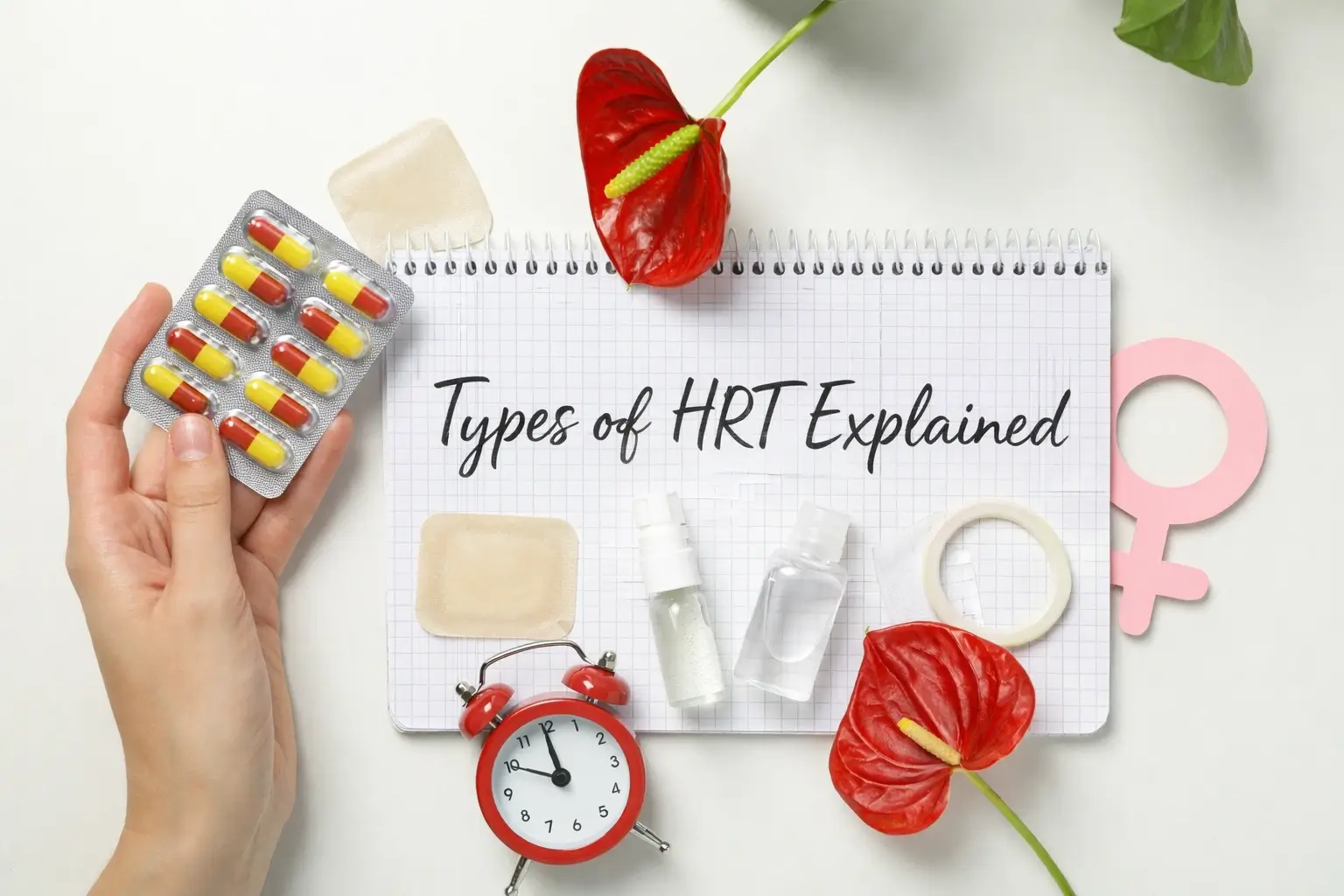
Hormone Replacement Therapy remains the most effective evidence-based intervention for moderate to severe vasomotor symptoms.
By restoring estrogen levels, and progesterone when required, HRT widens the thermoneutral zone and stabilizes hypothalamic sensitivity. Clinical studies consistently demonstrate significant reduction in frequency and intensity of hot flashes.
Non hormonal prescription options may be appropriate for women who cannot take hormone therapy for medical reasons. Certain SSRIs, SNRIs, and gabapentin have been shown to reduce the frequency and intensity of hot flashes.
Choosing the right treatment for hot flashes requires careful evaluation of cardiovascular risk, age, time since menopause onset, and personal medical history. Individualized guidance ensures both symptom relief and long-term safety.
Severe or persistent hot flashes may reflect increased vascular sensitivity during midlife. These symptoms are not only about temperature shifts; they also involve changes in how blood vessels respond to hormonal signals.
Emerging research suggests an association between vasomotor symptoms and endothelial dysfunction, which refers to reduced flexibility and responsiveness of the inner lining of blood vessels. Some studies have also observed links between frequent hot flashes and markers associated with cardiovascular risk, including changes in vascular tone and arterial stiffness. While this does not establish direct causation, it highlights the importance of paying attention to vascular health during the menopausal transition.
Midlife becomes a critical window for preventive care. Monitoring blood pressure, lipid levels, blood glucose, and overall metabolic health allows early identification of risk factors that may otherwise go unnoticed.
Preventive care may include:
• Lipid profile assessment
• Fasting glucose or HbA1c testing
• Blood pressure monitoring
• Body composition evaluation
Addressing symptoms within this broader metabolic framework strengthens long-term cardiovascular and endocrine health.
Medical consultation is recommended when:
• Hot flashes disrupt sleep multiple times per week
• Episodes are intense or accompanied by severe palpitations
• Symptoms begin before age 40
• There is significant mood disturbance or cognitive change
• Thyroid imbalance is suspected
Early assessment allows for structured and evidence-based treatment for hot flashes, improving both comfort and preventive care outcomes.
An individual hot flash may last from 30 seconds to several minutes, often peaking rapidly and resolving gradually. The overall duration of vasomotor symptoms varies widely, with some women experiencing them for two to five years, while others may notice milder episodes for a longer period during the menopausal transition.
Nighttime episodes occur because circadian rhythms naturally lower core body temperature during sleep. In a narrowed thermoregulatory range, even subtle shifts can trigger sweating. Repeated awakenings fragment sleep architecture, which may elevate cortisol and worsen next-day fatigue, further destabilising hormonal balance.
Lifestyle interventions such as maintaining a stable weight, reducing alcohol intake, managing stress, and improving sleep hygiene can meaningfully reduce mild symptoms. However, moderate to severe vasomotor symptoms often require medical evaluation to determine whether hormonal therapy or prescription non hormonal options are appropriate.
Thyroid disorders, particularly hyperthyroidism, can produce heat intolerance, palpitations, and sweating similar to hot flashes. If symptoms occur alongside tremors, unexplained weight loss, or persistent fatigue, thyroid function testing may help differentiate hormonal transition from endocrine imbalance.
Early intervention improves sleep quality, emotional stability, and daily functioning. It also creates an opportunity to evaluate cardiovascular and metabolic markers during a critical transition period, supporting preventive health strategies alongside symptom management.



 ×
×