
For many women, vaginal dryness menopause symptoms can feel deeply distressing yet rarely discussed openly. Burning sensations, discomfort during intimacy, recurrent urinary infections, and a quiet loss of confidence often accompany this phase.
Today, modern menopause medicine offers safe, evidence based solutions that restore vaginal health, improve lubrication, and support overall quality of life. Understanding menopause tablets uses and local estrogen therapy options can help women make informed and empowering healthcare decisions.
Vaginal dryness menopause occurs primarily due to declining estrogen levels. Estrogen maintains vaginal tissue thickness, elasticity, and lubrication.
According to research, nearly 50 to 60 percent of postmenopausal women experience genitourinary syndrome of menopause, yet only a small proportion seek treatment.
In India, cultural hesitation and lack of awareness often delay medical consultation, making education around menopause medicine critically important.
(Cleveland Clinic).
Doctors now use the term GSM to describe a cluster of symptoms including:
• Vaginal dryness
• Pain during intercourse
• Vaginal burning
• Urinary urgency
• Recurrent infections
These symptoms are progressive and rarely improve without targeted menopause medicine interventions.
(NIH).
Local estrogen therapy is widely regarded as the gold standard menopause medicine for vaginal dryness menopause.
It delivers very low dose estrogen directly to vaginal tissues through creams, tablets, or rings.
Clinical trials published in Obstetrics and Gynecology show significant improvement in vaginal moisture, tissue thickness, and pH balance within weeks.
Common formats include:
| Form | Example | Frequency | Benefit |
|---|---|---|---|
| Vaginal cream | Estradiol cream | Daily then weekly | Rapid symptom relief |
| Vaginal tablet | Vagifem | Twice weekly | Convenient dosing |
| Vaginal ring | Estring | Every 3 months | Continuous support |
Indian gynecologists increasingly prescribe local estrogen therapy because systemic hormone exposure remains minimal.
SERMs represent a newer class of menopause medicine.
Ospemifene is an FDA approved oral tablet that improves vaginal tissue health without traditional estrogen therapy.
A study in Menopause Journal demonstrated improved lubrication and reduced dyspareunia scores in treated women.
Understanding menopause tablets uses like SERMs helps women explore non hormonal pathways to symptom relief.
Prasterone vaginal inserts provide local conversion to estrogen and androgen inside vaginal tissues.
This targeted menopause medicine supports:
• Increased lubrication
• Improved elasticity
• Reduced pain
Research in The Lancet highlights meaningful improvements in sexual health related quality of life.
While availability in India is evolving, awareness is growing in metropolitan clinical practice.
For women experiencing multiple menopausal symptoms alongside vaginal dryness menopause, systemic hormone therapy may be considered.
This menopause medicine is prescribed after careful risk assessment and may help:
• Hot flashes
• Mood instability
• Vaginal symptoms
• Sleep disturbances
Guidelines from the Indian Menopause Society recommend individualised decision making based on age, symptom severity, and cardiovascular risk profile.
Medical grade vaginal moisturisers are often recommended as first line menopause medicine support. Unlike cosmetic lubricants, these products restore vaginal hydration over time.
Randomised trials show improved comfort and reduced irritation when used consistently. They are widely accessible across Indian pharmacies and require minimal supervision.
| Treatment Type | Hormonal | Prescription Required | Relief Speed | Suitability |
|---|---|---|---|---|
| Local estrogen therapy | Yes | Yes | Fast | Severe dryness |
| SERMs tablets | No direct estrogen | Yes | Moderate | Hormone sensitive women |
| Vaginal DHEA | Local hormonal | Yes | Moderate | Sexual discomfort |
| Systemic HRT | Yes | Yes | Broad symptom relief | Multiple symptoms |
| Moisturisers | No | Sometimes | Gradual | Mild dryness |
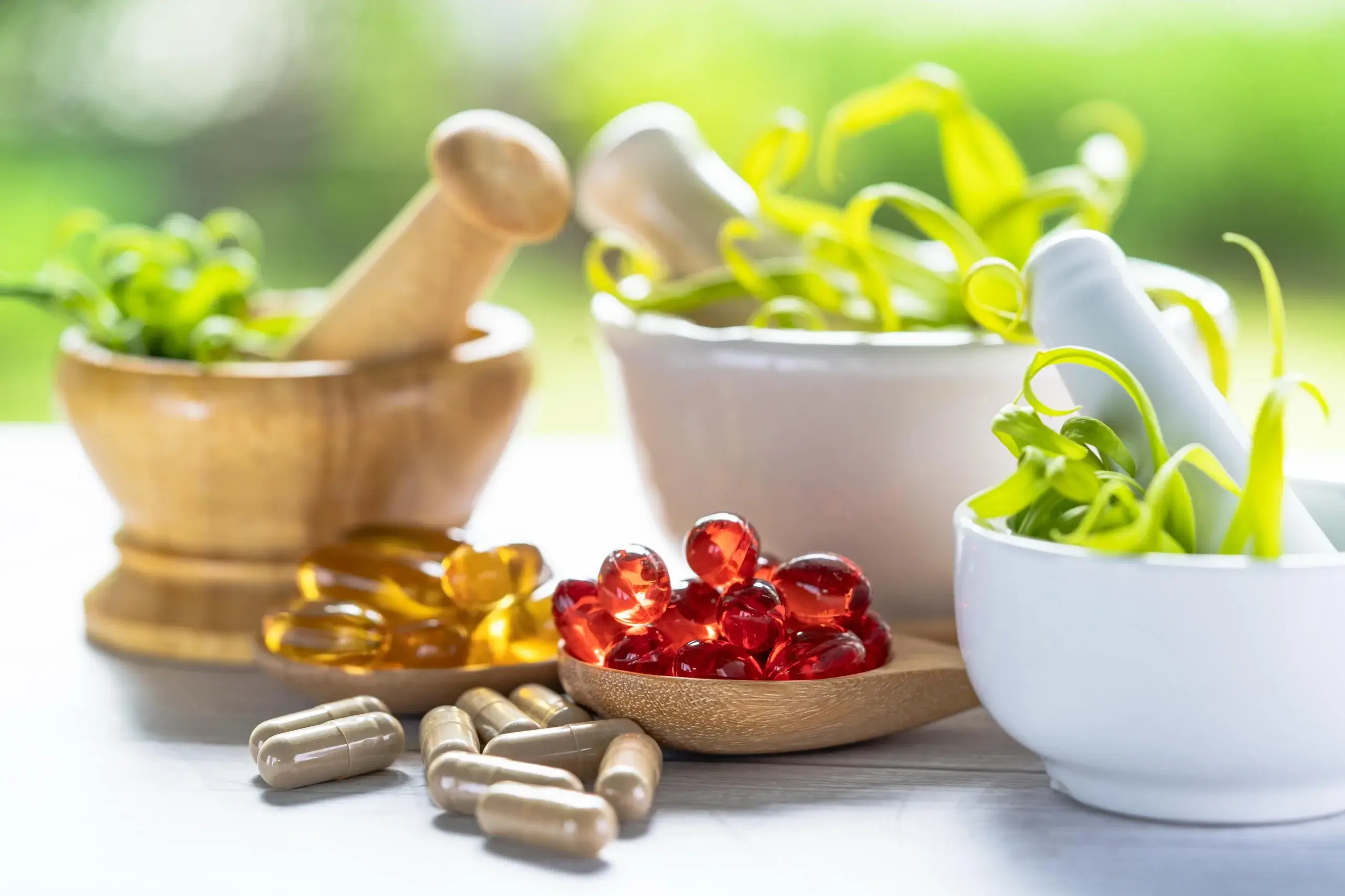
In postmenopause care, structured nutritional supplementation such as plant based formulations may also be considered as supportive care alongside menopause medicine to improve overall tissue health and comfort.
Vaginal dryness menopause is not only physical.
Women may feel hesitant about intimacy, disconnected from their bodies, or anxious about ageing. Compassionate clinical care and open conversations can restore confidence and relational wellbeing.
Consult a gynecologist if symptoms:
• Persist beyond a few months
• Interfere with daily comfort
• Cause bleeding or infections
• Reduce sexual wellbeing
Timely menopause medicine intervention prevents long term tissue changes.
Even when menopause tablets uses are clinically indicated, supportive lifestyle measures enhance outcomes:
• Hydration
• Pelvic floor exercises
• Anti inflammatory nutrition
• Stress regulation
This integrative approach aligns with modern Indian menopause care frameworks.
Alongside clinically prescribed menopause medicine, many women benefit from gentle nutritional support that helps the body adapt to long term hormonal changes. Postmenopause, declining estrogen can influence tissue hydration, collagen integrity, energy metabolism, and overall intimate comfort.
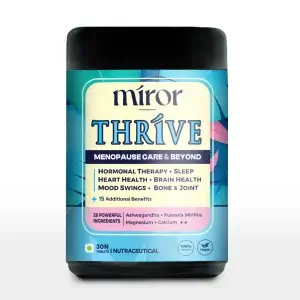
Formulations such as Miror Thrive Tablet For Menopause Care Beyond are designed to complement medical care by supporting vitality, hormonal resilience, bone strength, and emotional wellbeing through plant based nutritional ingredients.
When combined with local estrogen therapy, pelvic care practices, and a balanced menopause diet, structured supplementation may help women feel more comfortable, confident, and supported as their bodies continue to evolve.
Rather than replacing menopause tablets uses or prescription therapies, such approaches act as a thoughtful extension of self care during the postmenopausal years.
Vaginal dryness menopause is common, treatable, and never something women must silently endure.
With evolving menopause medicine options including local estrogen therapy, targeted tablets, and supportive therapies, women today can reclaim comfort, confidence, and intimate wellbeing.
Understanding treatment pathways empowers women to approach menopause not with fear, but with informed grace and strength.
Psst. Beyond treatments and supplements, healing during menopause is also deeply emotional and social. Thousands of women today are finding strength through shared experiences inside the Miror Community. From expert sessions and doctor consultations to wellness quizzes, playful challenges, online gatherings, and meaningful offline events, this growing circle of sisterhood is helping women feel seen, supported, and empowered.
If you are navigating menopause and seeking both guidance and connection, you can join the Miror Community here: https://tinyurl.com/mirorc3
Menopause medicine commonly used for vaginal dryness includes local estrogen therapy, vaginal DHEA inserts, selective estrogen receptor modulators, and prescription moisturisers. These treatments help restore vaginal tissue thickness, lubrication, and comfort. A gynecologist can recommend the most suitable option based on symptom severity, age, and medical history.
Menopause tablets uses include improving vaginal tissue elasticity, reducing pain during intimacy, and supporting hormonal balance. Oral therapies such as SERMs may help women who cannot use estrogen. These medicines are usually prescribed after clinical evaluation and may be combined with lifestyle care for better long term symptom relief.
Local estrogen therapy is considered one of the safest menopause medicine options for vaginal dryness menopause because it delivers very low dose estrogen directly to vaginal tissues. Studies show minimal systemic absorption. Doctors often recommend it for women with persistent dryness, burning, or discomfort that affects daily comfort or intimacy.
Mild vaginal dryness menopause symptoms may improve with hydration, pelvic floor exercises, medical moisturisers, and anti inflammatory nutrition. However, moderate to severe symptoms often require menopause medicine such as local estrogen therapy or targeted tablets to restore tissue health and prevent progressive discomfort or infections.
Women should consult a doctor if vaginal dryness menopause symptoms persist for several months, cause pain during intercourse, lead to recurrent urinary infections, or affect emotional wellbeing. Early menopause medicine intervention can improve comfort, prevent tissue thinning, and enhance overall quality of life during postmenopause.



 ×
×