
There is a particular kind of discomfort that arrives without warning.
A sudden wave of heat rising through the chest, spreading to the face, leaving behind damp skin, a racing heart, and a quiet sense of loss of control.
For many women, this is their first intimate encounter with hot flashes. Yet what is often dismissed as “just a symptom” is, in reality, a deeply intelligent biological response. One that reflects the body recalibrating itself during a profound hormonal transition.
Understanding hot flashes is not about simply managing discomfort. It is about learning how the body communicates change, and how we can respond with care rather than resistance.
Hot flashes are not random. They are neurological events.
They begin in the hypothalamus, the part of the brain responsible for maintaining internal temperature balance. During menopause, declining estrogen alters how this system interprets heat.
A body that is, in fact, at a normal temperature may suddenly be perceived as overheated.
This triggers a rapid cooling response:
• dilation of blood vessels
• increased skin temperature
• sweating
• a drop in core body heat
At night, this same mechanism becomes night sweats menopause, often disrupting sleep in ways that feel exhausting and invisible to others.
(Cleveland Clinic).
Research suggests that up to three out of four women experience hot flushes during menopause.
But intensity varies.
For some, it is a brief warmth. For others, it is a full body surge that interrupts conversations, sleep, and emotional steadiness. This variation is not random. It is shaped by deeper biological and lifestyle patterns.
(ACOG).
Rather than isolated causes, these are layered physiological shifts that interact with one another.
Estrogen plays a quiet but critical role in stabilising the hypothalamus. As estrogen declines, the brain’s temperature threshold narrows. Even the smallest internal fluctuation can trigger a full cooling response. This is why hot flashes often feel disproportionate to the actual environment.
A room that felt comfortable yesterday may suddenly feel unbearable today. This neurological sensitivity is at the core of hot flashes meaning, and explains their unpredictability.
Estrogen also supports vascular stability.
With lower levels, blood vessels dilate more easily. This leads to the visible flushing of the skin and the sudden warmth that rises to the face and chest. This is not weakness. It is responsiveness.
The body is reacting faster, more intensely, and sometimes without clear external triggers.
Many women notice that hot flashes worsen during emotional stress. This is not coincidence. The autonomic nervous system becomes more sensitive during menopause. Cortisol, the body’s stress hormone, can amplify temperature dysregulation.
This is why a difficult conversation, anxiety, or even anticipation can trigger hot flashes.
It is also why calming the nervous system is one of the most overlooked yet powerful hot flash remedies.
Night sweats menopause symptoms are not just daytime hot flashes occurring in the dark. They are closely tied to sleep architecture.
Hormonal changes influence melatonin, cortisol, and body temperature rhythms. This creates a fragile sleep cycle where even small disruptions can trigger waking.
The result is not only sweating, but:
• broken sleep
• fatigue
• irritability
• reduced emotional resilience
Understanding this connection changes how we approach relief.
| Experience | Hot Flashes | Night Sweats |
|---|---|---|
| Timing | Daytime or anytime | During sleep |
| Trigger | Hormonal and environmental | Hormonal and circadian |
| Sensation | Sudden heat and flushing | Intense sweating with waking |
| Impact | Social discomfort, irritability | Sleep disruption, fatigue, mood changes |
Relief does not come from a single intervention.
It comes from understanding the body and supporting it consistently.
Rather than extreme cooling, gentle temperature regulation works better.
• breathable fabrics
• layered clothing
• cooler room environments
This reduces the intensity without triggering further imbalance.
Practices such as slow breathing, yoga, and guided relaxation help regulate cortisol. When the nervous system feels safe, the body reacts less intensely.
Stable blood sugar reduces internal stress signals. Meals rich in fibre, protein, and healthy fats can reduce frequency and intensity of hot flushes.
For women experiencing severe symptoms, medical guidance can be transformative.
A newer FDA approved non hormonal option, fezolinetant, works by targeting the brain pathways responsible for temperature regulation rather than altering hormone levels. Clinical studies published in The Lancet show meaningful reductions in hot flashes frequency and severity.
While availability in India is still emerging, awareness is increasing among menopause specialists.
While lifestyle and medical approaches form the foundation of managing hot flashes, many women benefit from consistent, stage-specific nutritional support that works with the body rather than against it.
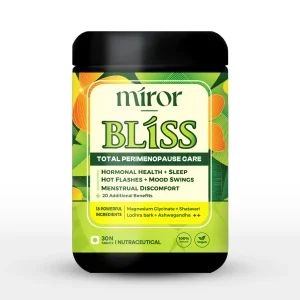
During perimenopause, when hormonal fluctuations are most unpredictable, targeted formulations such as Miror Bliss are designed to support emotional balance, nervous system stability, and cycle-related symptoms that often intensify hot flashes and temperature sensitivity.
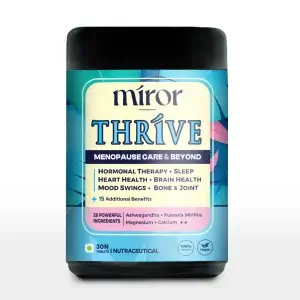
As women transition into postmenopause, where metabolism, recovery, and internal resilience become central, structured support like Miror Thrive helps address deeper physiological changes. By supporting hormonal balance, energy metabolism, and tissue health, it may help reduce the frequency and intensity of hot flushes, night sweats menopause symptoms, and associated fatigue over time.
When integrated with sleep care, nutrition, and stress regulation, such approaches can offer a more sustained and gentle pathway toward relief.
If hot flashes:
• disrupt sleep consistently
• interfere with daily functioning
• feel intense or worsening
it is worth speaking with a doctor.
Relief is not something to wait for. It is something to seek.
Beyond physical symptoms, menopause is also a deeply personal and emotional journey. Thousands of women across India are now finding clarity, support, and real guidance inside the Miror Community.
From expert led sessions and doctor consultations to interactive quizzes, shared conversations, wellness challenges, and both online and offline gatherings, this growing circle of sisterhood offers something most women have been missing —understanding.
If you are navigating hot flashes, sleep changes, or any part of this transition, being part of a space where women learn, share, and heal together can make all the difference. You can join the Miror Community here: https://tinyurl.com/mirorc3
Please remember that hot flashes are not random discomforts.
They are signals.
Signals that the body is changing, adapting, recalibrating.
When understood with compassion and supported with intention, they lose their intensity, and with time, their power to disrupt.
This phase is not something to endure quietly.
It is something to move through with knowledge, care, and support.
Hot flashes can last for a few months in some women, but for many they continue for several years across perimenopause and postmenopause. Their intensity and frequency vary depending on hormonal changes, stress, body weight, sleep quality, and overall metabolic health. Persistent hot flashes may need structured medical or lifestyle support.
Night sweats menopause symptoms often feel worse because hormonal temperature shifts interact with the body’s natural sleep cycle. Lower nighttime resilience, warm bedding, stress hormones, and blood sugar fluctuations can all intensify sweating and sudden waking. This is why night symptoms often feel more exhausting than daytime hot flashes.
Yes. Hot flashes can begin in perimenopause long before periods stop completely. Fluctuating estrogen, rather than only low estrogen, can trigger hot flushes during this stage. Many women experience irregular cycles, mood changes, poor sleep, and heat surges years before menopause is officially diagnosed.
For women who cannot or do not want to use hormone therapy, non hormonal options may include lifestyle changes, nervous system regulation, and prescription medicines. One newer FDA approved treatment is fezolinetant, which targets the brain pathways involved in temperature regulation. The best option depends on symptom severity, sleep disruption, and medical history.
You should seek medical advice when hot flashes are severe, happen many times a day, disturb sleep regularly, or begin affecting work, mood, and quality of life. A doctor can help rule out other causes, assess whether symptoms are menopause related, and recommend suitable hot flash remedies or medical treatment.


 ×
×