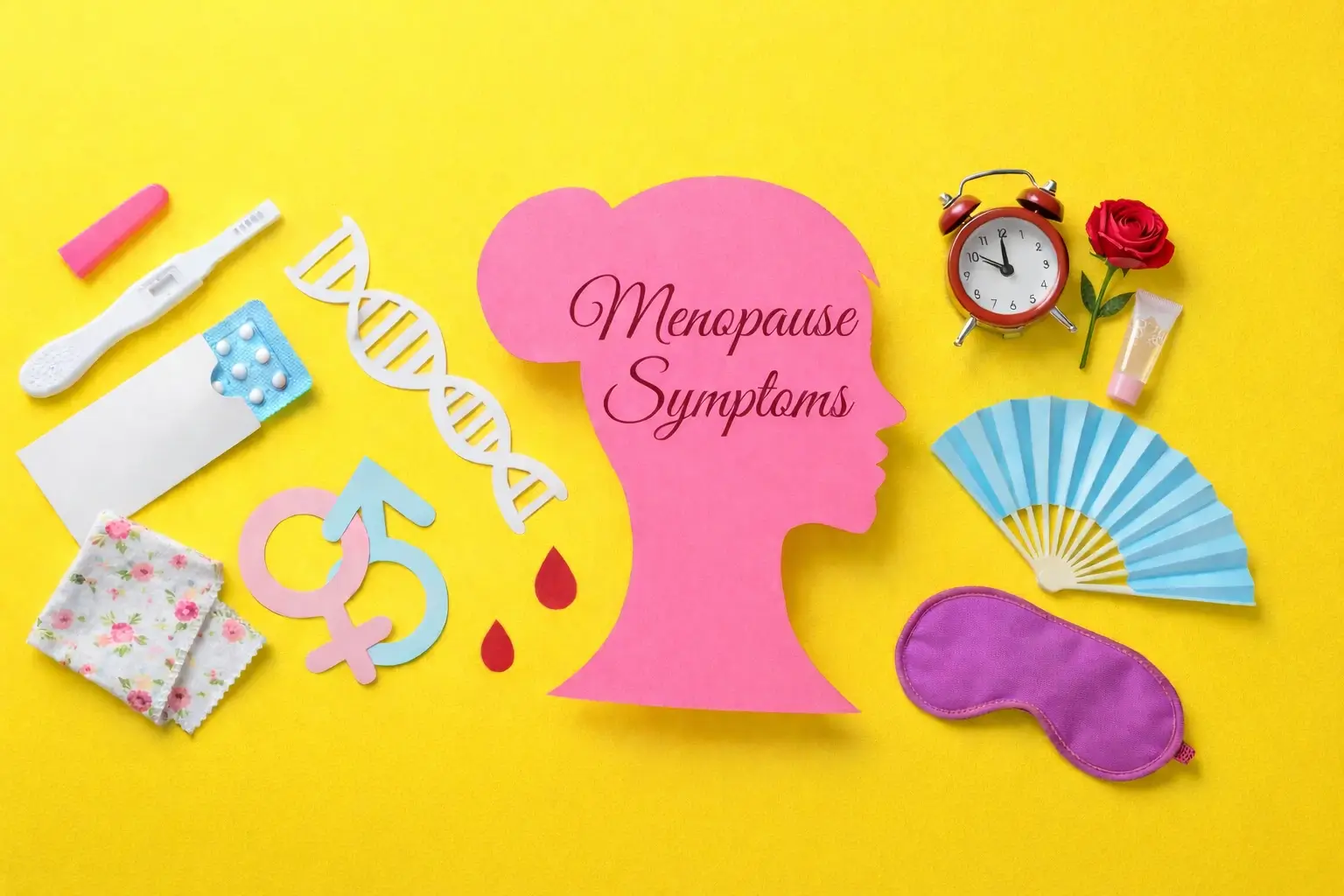

Menopause does not arrive all at once.
It unfolds gradually, often quietly at first. A change in sleep. A shift in mood. A moment of discomfort that feels unfamiliar.
And then, over time, patterns begin to form.
What many women experience during this phase are not random discomforts. They are menopause symptoms, deeply connected to hormonal changes that affect nearly every system in the body.
Understanding these signals is not about labelling them as problems.
It is about recognising what your body is asking for.
No two experiences look exactly the same.
For some, the transition is subtle. For others, it feels overwhelming.
This variation exists because menopause affects:
• The brain
• The skin
• The bones
• The metabolism
• Emotional regulation
The symptoms are not isolated. They are interconnected.
There is a sudden warmth that rises without warning. It may last a few seconds or linger longer, often leaving behind a sense of exhaustion.
Hot flashes are among the most recognised menopause symptoms, driven by changes in how the brain regulates temperature.
What may help:
• Maintaining a cool environment
• Avoiding known triggers like caffeine or stress
• Structured hormone therapy when appropriate
Emerging treatments, including non hormonal options, are also being explored globally.
Closely related to hot flashes, night sweats often disrupt sleep in a more intense way.
Waking up drenched, unable to return to rest, can affect:
• Energy levels
• Mood
• Cognitive clarity
What may help:
• Breathable sleepwear
• Temperature control in the bedroom
• Addressing underlying hormonal imbalance
Sleep disruption is often underestimated, but it has a cascading effect on overall wellbeing.
This is one of the most under-discussed yet impactful symptoms. Vaginal dryness during menopausal days occurs due to reduced estrogen levels affecting the vaginal lining.
It can lead to:
• Discomfort
• Irritation
• Pain during intimacy
What may help:
• Local estrogen therapy
• Vaginal moisturisers
• Gentle, consistent care
Addressing this early improves both physical comfort and emotional wellbeing.
Sleep changes are not always obvious at first.
You may fall asleep but wake frequently. Or feel unrefreshed even after a full night.
Sleep problems during menopause are influenced by:
• Hormonal fluctuations
• Night sweats
• Stress and mood changes
What may help:
• Consistent sleep routines
• Reducing screen exposure before bed
• Supporting hormonal balance where needed
Good sleep is foundational. Without it, other symptoms often intensify.
This is the most silent symptom.
Unlike others, it does not announce itself immediately.
Declining estrogen levels accelerate bone loss, increasing the risk of osteoporosis over time.
What may help:
• Adequate calcium and vitamin D
• Resistance training
• Medical evaluation when necessary
Bone health is not something to think about later. It begins to shift much earlier than most women realise.
| Symptom | What You May Feel | What Helps |
|---|---|---|
| Hot flashes | Sudden heat, flushing | Cooling strategies, medical support |
| Night sweats | Disrupted sleep, sweating | Temperature control, hormone balance |
| Vaginal dryness | Discomfort, irritation | Local therapies, moisturisers |
| Sleep problems | Insomnia, fatigue | Sleep hygiene, hormonal care |
| Bone health changes | No early signs | Nutrition, exercise, monitoring |
Research shows that:
• Vasomotor symptoms like hot flashes are the most common
• Sleep disturbances affect a majority of women
• Bone density decline begins earlier than expected
• Early intervention improves long-term outcomes
The body is not breaking down.
It is recalibrating.
(Cleveland Clinic).
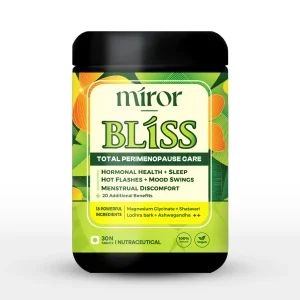
Menopause is not a single moment, and the body’s needs shift as you move through each stage. During perimenopause, when hormonal fluctuations are often unpredictable, formulations like Miror Bliss can help support emotional balance, sleep, and daily stability.
In postmenopause, Miror Thrive is designed to address deeper concerns such as metabolic slowdown, energy levels, and recovery, which often influence how symptoms are experienced long term.
For women in their 60s and beyond, Miror Mily offers gentle, sustained support focused on vitality, bone health, and overall resilience. Together, these approaches recognise that menopause care is not one-size-fits-all, but something that evolves with you.
Understanding menopause symptoms is one step. Knowing how to respond is another. Miror’s HRT Centre of Excellence brings structured, evidence-based hormone care to Indian women navigating this transition. By combining global clinical protocols with local health insights, the centre helps women explore treatment options safely, whether for symptom relief, bone health, or long-term wellbeing. The focus is always on personalised care, not one-size-fits-all solutions.
Menopause symptoms are not interruptions.
They are signals.
Each one carries information about what your body is adjusting to and what it may need next. The goal is not to eliminate every symptom.
It is to understand them, respond thoughtfully, and move through this phase with awareness rather than uncertainty.
You do not have to figure this out on your own.
Inside the Miror Community, thousands of women are sharing experiences, learning from experts, and receiving real support through doctor sessions, conversations, and guided care.
Join here: https://tinyurl.com/mirorc3
The earliest menopause symptoms often include irregular periods, sleep disturbances, mood changes, and occasional hot flashes. These can begin during perimenopause, sometimes years before periods stop completely, and may feel subtle at first.
Menopause symptoms can last anywhere from a few years to over a decade, depending on the individual. Symptoms like hot flashes and night sweats tend to be more intense during the transition phase, while others such as bone health changes continue silently over time.
They are closely related but occur at different times. Hot flashes happen during the day and cause sudden warmth and flushing, while night sweats are similar episodes that occur during sleep and often disrupt rest significantly.
Vaginal dryness can be managed with moisturisers, lubricants, and in some cases, local estrogen therapy. Addressing it early improves comfort and prevents further irritation or discomfort during daily activities and intimacy.
Yes, many menopause symptoms can be supported through lifestyle changes such as better sleep habits, stress management, nutrition, and physical activity. However, for more severe symptoms, medical options like hormone therapy may be considered under professional guidance.






 ×
×