
For most women, menopause brings changes that are easy to notice. Sleep feels different. Energy fluctuates. Your body starts responding in ways that feel unfamiliar.
But one of the most important changes happens quietly, without obvious signs.
It’s your bone health.
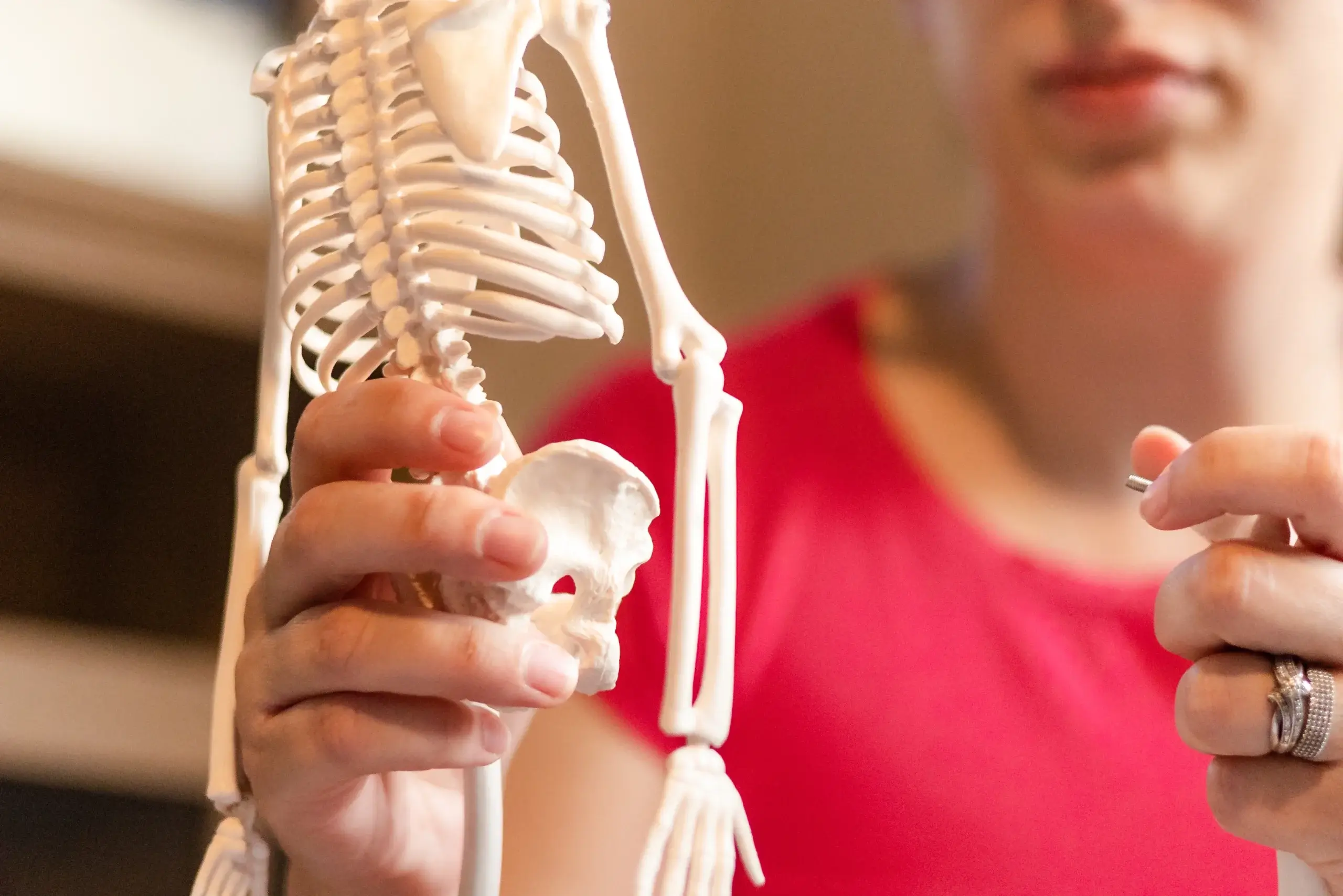
Menopause bone loss is often overlooked because you can’t feel it in real time. There’s no immediate discomfort, no daily reminder. Yet beneath the surface, your bones are slowly becoming less dense and more fragile.
This shift is closely linked to hormonal changes, particularly the drop in estrogen. Over time, this can lead to thinning bones in menopause, increasing the risk of fractures and long-term conditions like osteoporosis.
What makes this important is not just the risk, but the timing. The years around and after menopause are critical. The choices you make during this phase can significantly influence your bone health for decades to come.
The encouraging part is this. With the right awareness and consistent habits, you can protect your bones and maintain strength well beyond your 40s.
Menopause bone loss refers to the gradual reduction in bone density that occurs as hormone levels change during menopause.
Your bones are living tissue. They are constantly being broken down and rebuilt through a natural process. This ongoing cycle keeps your bones strong and adaptable.
Before menopause, your body maintains a balance between bone breakdown and bone formation.
After menopause, this balance shifts. Bone breakdown begins to happen faster than new bone is formed.
Over time, this leads to a steady decrease in bone density. This is what contributes to thinning bones menopause, even if you don’t notice any immediate symptoms.
To fully understand menopause bone loss, it’s important to look at the relationship between estrogen and bones.
Estrogen helps regulate how your bones renew themselves. It slows down the process of bone breakdown and supports the cells that build new bone.
This creates a stable environment where bone density is maintained over time.
When menopause begins, estrogen levels decline significantly.
This affects your bones in two key ways. Bone breakdown speeds up, and bone rebuilding slows down.
This imbalance is what leads to a gradual loss of bone density. The years immediately after menopause are particularly important, as bone loss tends to accelerate during this period.
The connection between estrogen and bones becomes especially clear here, as the drop in estrogen directly impacts bone strength.
The changes in bone health during menopause are gradual but meaningful.
Before Menopause | After Menopause |
Hormones are stable | Estrogen levels decline |
Bone remains dense and strong | Bone density reduces over time |
Repair and renewal are balanced | Breakdown exceeds rebuilding |
Lower fracture risk | Increased fracture risk |
These shifts don’t happen overnight, which is why they can easily go unnoticed.
One of the biggest challenges with menopause bone loss is that it often develops without clear symptoms in the early stages.
Most women feel completely normal until bone density has already decreased significantly.
However, there are a few subtle signs that may indicate changes in bone health:
In many cases, the first noticeable sign of osteoporosis menopause is a fracture. This is why early awareness and preventive care are so important.
While menopause itself increases the risk of bone loss, certain factors can make the process more pronounced.
If more than one of these factors applies, the likelihood of developing osteoporosis menopause increases. However, lifestyle changes can still play a powerful role in prevention.
Preventing menopause bone loss is not about making extreme changes. It’s about building consistent habits that support your body over time.
Nutrition becomes increasingly important after 40. Your body needs the right nutrients to maintain bone density and strength.
Calcium forms the foundation of your bones, while vitamin D helps your body absorb it effectively. Protein supports bone structure, and minerals like magnesium contribute to overall bone health.
Nutrient | Why It Matters | Sources |
Calcium | Maintains bone structure | Dairy, ragi, sesame seeds |
Vitamin D | Helps absorb calcium | Sunlight, eggs |
Protein | Supports bone tissue | Lentils, paneer |
Magnesium | Supports bone density | Nuts, leafy greens |
Instead of focusing on restrictions, think of this as nourishing your body in a way that supports long-term strength.
Your bones respond to movement.
When you engage in weight-bearing or resistance exercises, your body receives signals to maintain and strengthen bone density. Without this stimulation, bones gradually become weaker.
Activities like strength training, walking, or yoga with resistance can help slow down thinning bones menopause.
Consistency matters more than intensity. Even regular, moderate movement can make a noticeable difference over time.
Small, everyday habits can have a lasting impact on bone health.
Limiting caffeine and alcohol intake can help preserve bone density. Avoiding smoking is equally important, as it directly weakens bone structure.
Sleep plays a key role as well. Your body repairs itself during rest, including your bones.
Managing stress is often overlooked, but it matters. Long-term stress can affect hormone balance, which indirectly influences bone health.
In some cases, lifestyle changes alone may not be enough to manage bone loss.
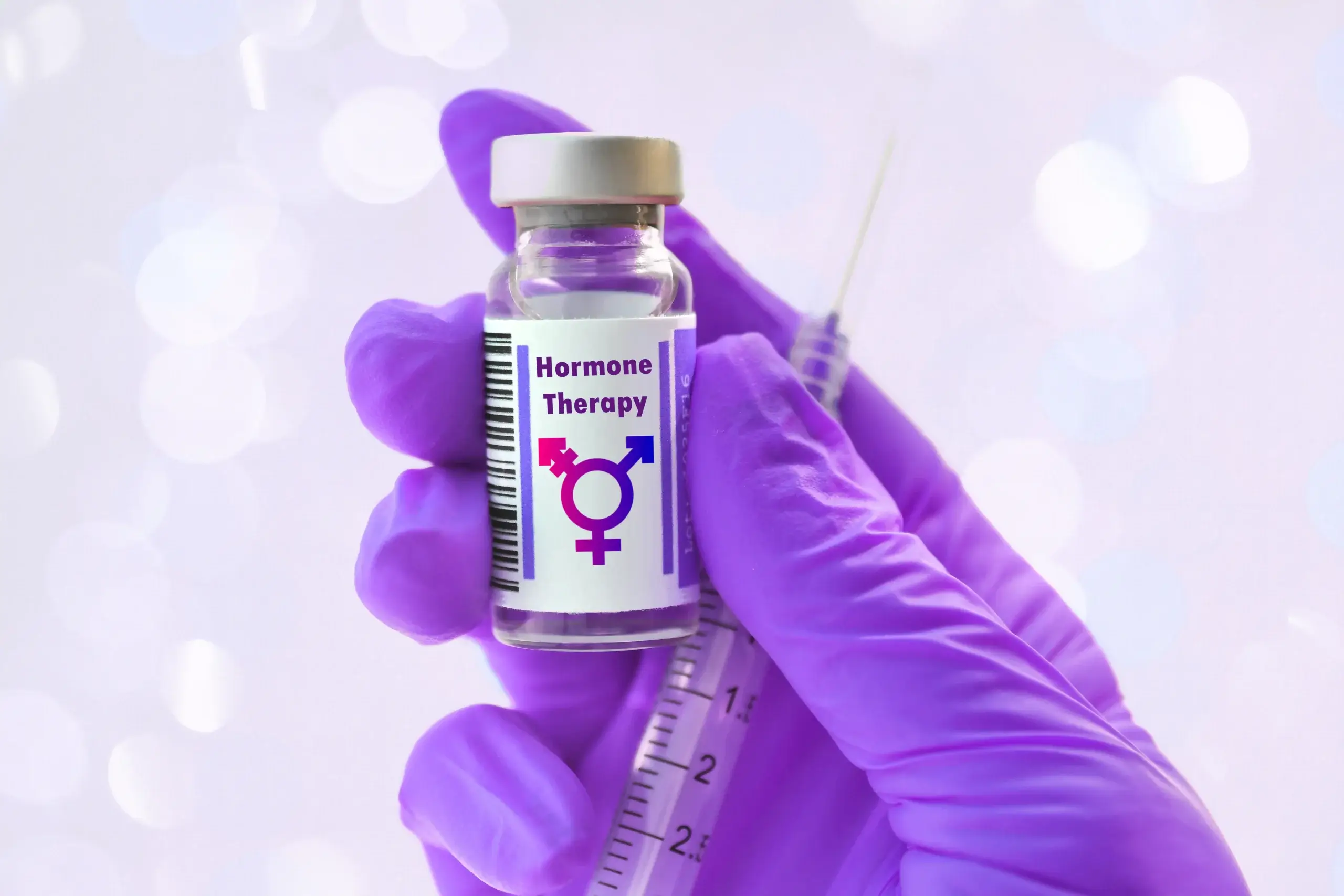
Medical support options such as hormone therapy, supplements, or specific medications can help maintain bone density and reduce fracture risk.
The right approach varies from person to person, so it’s important to consult a healthcare professional before making decisions.
The connection between menopause and osteoporosis is strong and widely recognized.
Osteoporosis is a condition where bones become weak and brittle, making them more prone to fractures. It develops gradually and often without noticeable symptoms in the early stages.
The decline in estrogen plays a central role. Without its protective effect, bone breakdown accelerates, leading to reduced bone density and strength.
This is why osteoporosis menopause is so common, particularly in the years immediately following menopause.
This is a question many women ask.
While it may not always be possible to fully reverse bone loss, it is absolutely possible to slow it down and improve overall bone strength.
The focus should be on maintaining density, reducing further loss, and lowering the risk of fractures.
With consistent effort, your bones can remain strong and supportive well into later years.
Day | Focus |
Monday | Strength training and protein-rich meals |
Tuesday | Walking and sunlight exposure |
Wednesday | Mobility and calcium-rich foods |
Thursday | Strength training |
Friday | Light activity and recovery |
Saturday | Outdoor movement |
Sunday | Rest and reset |
A routine like this helps create balance without feeling overwhelming.
Bone health is not just physical. It can affect how you feel about your body and your sense of strength.
There can be concerns around fragility or losing independence over time. These feelings are valid, but they don’t have to define your experience.
This phase can also be an opportunity to reconnect with your body in a more intentional way. To support it, strengthen it, and understand it better than before.
Bone loss can begin during perimenopause, often in the early 40s, but it becomes more pronounced after menopause. The first few years following menopause are especially important, as this is when bone density tends to decline more rapidly.
Yes, exercise plays a key role in maintaining bone health. Weight-bearing and resistance exercises help stimulate bone formation and slow down bone loss. Over time, this can improve strength and reduce the risk of fractures.
No, osteoporosis is not inevitable. While menopause increases the risk, factors such as diet, exercise, and lifestyle choices have a strong influence on bone health and can significantly reduce the chances of developing it.
Supplements can be helpful if your diet does not provide enough essential nutrients like calcium and vitamin D. However, it’s best to consult a healthcare provider to determine what your body specifically needs.
A bone density test, commonly known as a DEXA scan, is the most effective way to assess bone health. It helps detect early signs of bone loss and allows for timely intervention.


 ×
×