

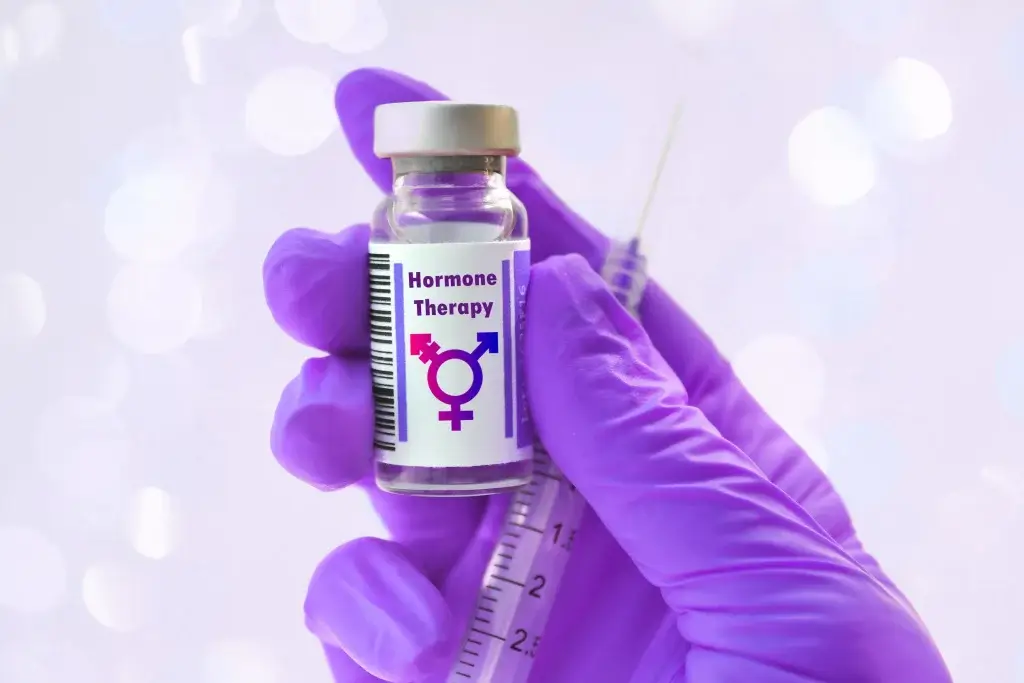
Hormone Replacement Therapy, commonly known as HRT, has transformed menopause treatment for millions of women worldwide. From reducing severe hot flashes to improving sleep, mood, bone density, and vaginal health, HRT can feel life changing.
However, HRT is not suitable for everyone. Understanding HRT contraindications is essential for making safe and informed decisions. Women today increasingly seek specialised menopause treatment support through dedicated hormone clinics and expert led care models.
Knowing when not to take HRT can prevent serious complications such as cardiovascular events, blood clots menopause risks, and hormone sensitive cancer progression. This safety checklist outlines six important HRT contraindications women must understand before starting menopause treatment.
Research highlights that personalised menopause treatment strategies significantly improve outcomes while reducing adverse effects.
In India, where menopause often occurs earlier and chronic disease screening may be inconsistent, careful evaluation before starting HRT becomes even more important.
(ACOG).
Doctors typically assess:
• Family history
• Cardiovascular risk
• Cancer risk
• Liver health
• Clotting disorders
One of the most important HRT contraindications includes prior breast cancer or estrogen dependent malignancies.
Hormonal exposure may stimulate residual cancer cells in certain cases. Clinical guidelines from the North American Menopause Society recommend alternative menopause treatment strategies for such women.
Blood clots menopause risk becomes a critical consideration when evaluating HRT suitability.
Estrogen therapy can increase clotting tendency in susceptible individuals. Women with past deep vein thrombosis, pulmonary embolism, or inherited clotting disorders must discuss non hormonal menopause treatment pathways.
Cardiovascular safety remains central when deciding when not to take HRT.
Women with uncontrolled blood pressure, recent heart attack, or stroke history may experience increased vascular risk with systemic hormone therapy.
The Indian Heart Journal emphasises comprehensive cardiovascular screening before initiating menopause treatment.
Hormone metabolism occurs largely in the liver.
Conditions such as hepatitis, cirrhosis, or significant liver enzyme elevation represent strong HRT contraindications. Doctors may recommend transdermal therapies or non hormonal menopause treatment approaches depending on clinical context.
Any unexplained bleeding after menopause requires thorough evaluation before starting HRT.
This symptom may indicate endometrial pathology that needs diagnosis. Initiating menopause treatment without investigation could delay critical care.
Certain neurological and metabolic conditions may increase cardiovascular vulnerability during hormone therapy. Women with migraine accompanied by aura, severe obesity, insulin resistance, or metabolic syndrome may face higher risks related to blood clots menopause pathways and vascular events.
Clinical guidance suggests that personalised menopause treatment planning, lifestyle optimisation, and careful hormone selection become especially important in these cases. Doctors may recommend lower dose or non systemic HRT approaches depending on individual risk profiles.
(NHS).
| Screening Area | Why It Matters | Tests Often Recommended |
|---|---|---|
| Cancer history | Hormone sensitivity | Mammogram |
| Clotting risk | Prevent embolism | Coagulation profile |
| Heart health | Stroke prevention | Lipid panel ECG |
| Liver function | Drug metabolism | Liver enzymes |
| Uterine health | Bleeding causes | Ultrasound |
For some women with relative HRT contraindications, doctors may consider:
• Lower doses
• Transdermal patches
• Local estrogen therapy
• Short term therapy
This nuanced menopause treatment approach aligns with updated FDA recommendations.
(Mayo Clinic).
Many women feel disappointed or anxious when advised against HRT.
It may feel as though effective menopause treatment has been taken away. Compassionate counselling helps women explore alternative therapies including nutrition, pelvic care, sleep optimisation, and community support.
When not to take HRT becomes clear, other strategies can still improve quality of life:
• Cognitive behavioural therapy
• Vaginal moisturisers
• Phytoestrogen rich nutrition
• Exercise and stress reduction
• Prescription non hormonal medicines
(PubMed Central).
Women previously unsuitable for HRT may become candidates later after:
• Weight management
• Blood pressure control
• Cancer treatment completion
• Smoking cessation
Regular follow up ensures menopause treatment decisions remain dynamic and personalised.
(The Lancet).
As conversations around menopause treatment evolve in India, access to specialised and personalised hormone care remains limited. Miror’s brand new HRT Centre of Excellence is pioneering structured HRT pathways designed specifically for Indian women for the first time.
With expert led screening protocols, safety first evaluations, and evidence based menopause treatment planning, the centre aims to help women understand HRT contraindications, explore safer hormonal options where appropriate, and receive holistic guidance beyond prescriptions.
This landmark initiative reflects a growing commitment to transforming menopause care in India from fragmented advice into compassionate, science driven support.
HRT remains one of the most powerful menopause treatment tools available today. Yet understanding HRT contraindications ensures that relief never comes at the cost of safety.
Informed decision making, medical partnership, and holistic care allow women to navigate menopause with intelligence, dignity, and confidence. Menopause is not a one size fits all journey. It is deeply individual and deserving of thoughtful support.
Beyond medical decisions, menopause is also a deeply emotional transition. Thousands of women across India are finding strength inside the Miror Community, a vibrant shared circle of sisterhood, expert guidance, doctor consultations, wellness quizzes, games, online sessions, and meaningful offline events.
If you are navigating menopause treatment choices or wondering whether HRT is right for you, joining this supportive space can make the journey feel less lonely and far more empowered. You can become part of the Miror Community here: https://tinyurl.com/mirorc3
Women with certain medical conditions such as breast cancer history, previous blood clots, uncontrolled heart disease, active liver disease, or unexplained vaginal bleeding may need to avoid HRT. Understanding HRT contraindications helps doctors recommend safer menopause treatment options based on individual health risks and symptom severity.
Common HRT contraindications include estrogen sensitive cancers, deep vein thrombosis, stroke history, severe cardiovascular disease, and liver disorders. Doctors also assess risk factors like metabolic syndrome or migraine with aura. These evaluations help determine when not to take HRT and whether alternative menopause treatment approaches are more suitable.
Yes, certain types of HRT may increase the risk of blood clots menopause complications in women who are already predisposed. Factors such as obesity, smoking, genetic clotting disorders, or previous thrombosis influence risk. A personalised menopause treatment plan helps balance symptom relief with long term vascular safety.
If HRT is not recommended, doctors may suggest non hormonal menopause treatment options such as vaginal moisturisers, cognitive behavioural therapy, lifestyle modification, or specific prescription medicines. Integrative care approaches including nutrition and stress management can also help improve quality of life during menopause.
Yes, eligibility for HRT may change over time. Women who manage weight, control blood pressure, stop smoking, or complete cancer treatment may be reassessed for menopause treatment suitability. Regular medical follow up ensures HRT decisions remain personalised and aligned with evolving health status.




 ×
×