

If womanhood had a soundtrack, estradiol would be the soft, continuous melody beneath every chapter of your life.
It plays quietly when you’re growing up, rises during your most vibrant years, and gracefully shifts as you evolve through your 30s, 40s, 50s and beyond.
But here’s the part we rarely talk about:
Estradiol isn’t “just a hormone.”
It’s the master conductor of the female body.
From your brain to your bones, from your skin to your sexual energy, from your metabolism to your emotions: estradiol touches nearly everything. Yet most women have never been taught what it truly does, why it fluctuates, or what happens when it dips, spikes, or slips out of harmony.
This blog is your compassionate, deeply researched guide to understanding estradiol like you’ve never understood it before. Warm, feminine, validating, and grounded in science.
Because you deserve to know what’s happening inside your own body.
Estradiol (E2) is the most potent form of estrogen, the hormone family that shapes the female reproductive system. But estradiol’s influence isn’t confined to fertility or periods.
Estradiol receptors exist in almost every major organ, including:
Brain
Bones
Skin
Heart
Gut
Breast tissue
Immune system
Fat cells
Nervous system
This means estradiol plays roles that extend far beyond reproduction. It affects how you think, how you feel, how you age, how you desire, and how you move through the world.
Estradiol is not just biology.
It’s identity, energy, intuition, softness, fire, resilience. Woven into one molecular signature.
This is when estradiol rises to shape:
Breast development
Hip widening
Menstrual cycles
Emotional sensitivity
Growth spurts
Fertility foundation
You feel everything more deeply because your brain is literally rewiring under estradiol’s influence.
Estradiol is at its brightest. Women typically experience:
High vitality
Clear skin
Regular cycles
Strong bones
Healthy libido
Emotional resilience
Stable metabolism
These are often described as “the hormonal golden years.”
This decade introduces a gentle decline, often unnoticed at first, but meaningful:
Lower energy
Stronger PMS
Mood fluctuations
Brain fog
Changes in cycle length
Fertility shifts
Slower metabolism
Stress hits harder
Why?
Because estradiol becomes more sensitive to stress, sleep loss, nutrient gaps, and lifestyle choices.
This is the decade most women begin feeling “off”, without knowing estradiol is the quiet reason.
Estradiol begins to fluctuate dramatically.
Not slowly. Not steadily. But unpredictably.
Symptoms can include:
Hot flashes
Sleep disruption
Anxiety
Heavier or irregular cycles
Bloating
Low libido
Weight gain around the belly
Emotional intensity
Skin dryness
These aren’t signs that something is “wrong with you.”
They’re signs your hormones are shifting gears.
Post-menopause brings lower estradiol levels, but stability returns.
This phase focuses on maintaining:
Bone strength
Heart health
Brain health
Sexual wellness
Mood support
Skin elasticity
Estradiol remains crucial, even at lower levels.
Let’s break down estradiol’s functions in a way that’s warm, scientifically grounded, and deeply human.
Estradiol boosts neurotransmitters like:
Serotonin (mood stability)
Dopamine (motivation + desire)
Acetylcholine (memory + learning)
This is why women often say things like:
“I feel foggy.”
“I don’t feel like myself.”
“My emotions are all over the place.”
right before their period or during perimenopause.
That’s estradiol fluctuating.
Estradiol also protects your brain from inflammation and stress; making it one of the most important hormones for long-term cognitive health.
Estradiol literally fuels your cells.
It helps mitochondria: the “batteries of your body”produce ATP (your energy currency).
When estradiol dips:
Fatigue increases
Motivation drops
Workouts feel harder
Morning energy collapses
You rely on more caffeine
This is why women often feel “drained” during PMS, postpartum, and perimenopause.
Estradiol increases:
Collagen production
Skin hydration
Elasticity
Wound healing
Thickness of the dermis
When estradiol declines, skin may:
Look dull
Lose bounce
Dry out
Wrinkle faster
Heal slower
Your “glow” isn’t superficial. It’s molecular.
Estradiol helps your body:
Burn fat efficiently
Distribute fat to hips/thighs instead of belly
Control insulin sensitivity
Regulate appetite hormones
So when estradiol dips, especially after 35:
Belly fat increases
Cravings intensify
Weight becomes harder to lose
Blood sugar spikes more easily
It’s biology, not willpower.
Estradiol increases:
Vaginal lubrication
Sensory responsiveness
Pelvic blood flow
Libido
Orgasm intensity
Emotional connection
Low estradiol can feel like:
Delayed desire
Discomfort
Low sensitivity
Difficulty “getting into it”
Emotional disconnection
Again: it’s chemistry, not character.
Women often notice:
Lower immunity before periods
More inflammation
Slower recovery
Estradiol supports immune cells and regulates inflammation.
High estradiol tends to strengthen immunity.
Low estradiol weakens it.
This is why perimenopause often feels like an “immune slump.”
Estradiol is essential for bone strength.
Low estradiol accelerates bone density loss especially post-menopause.
This impact is silent.
No symptoms. No warning.
But very real.
Estradiol is sensitive, deeply sensitive to:
Stress
Sleep deprivation
Extreme exercise
Birth control
Low-fat diets
Gut imbalance
Thyroid issues
Postpartum shifts
Perimenopause
Nutrient deficiencies
(especially B6, B12, magnesium, omega-3, zinc)
Estradiol is not fragile.
It’s responsive. It adapts to your life circumstances.
Women often report:
Brain fog
Low mood
Anxiety
Fatigue
Low libido
Vaginal dryness
Irregular cycles
Bloating
Hot flashes
Night sweats
Dry skin
Weight gain
Sleep issues
The more stressed your system, the harder estradiol struggles to stay balanced.
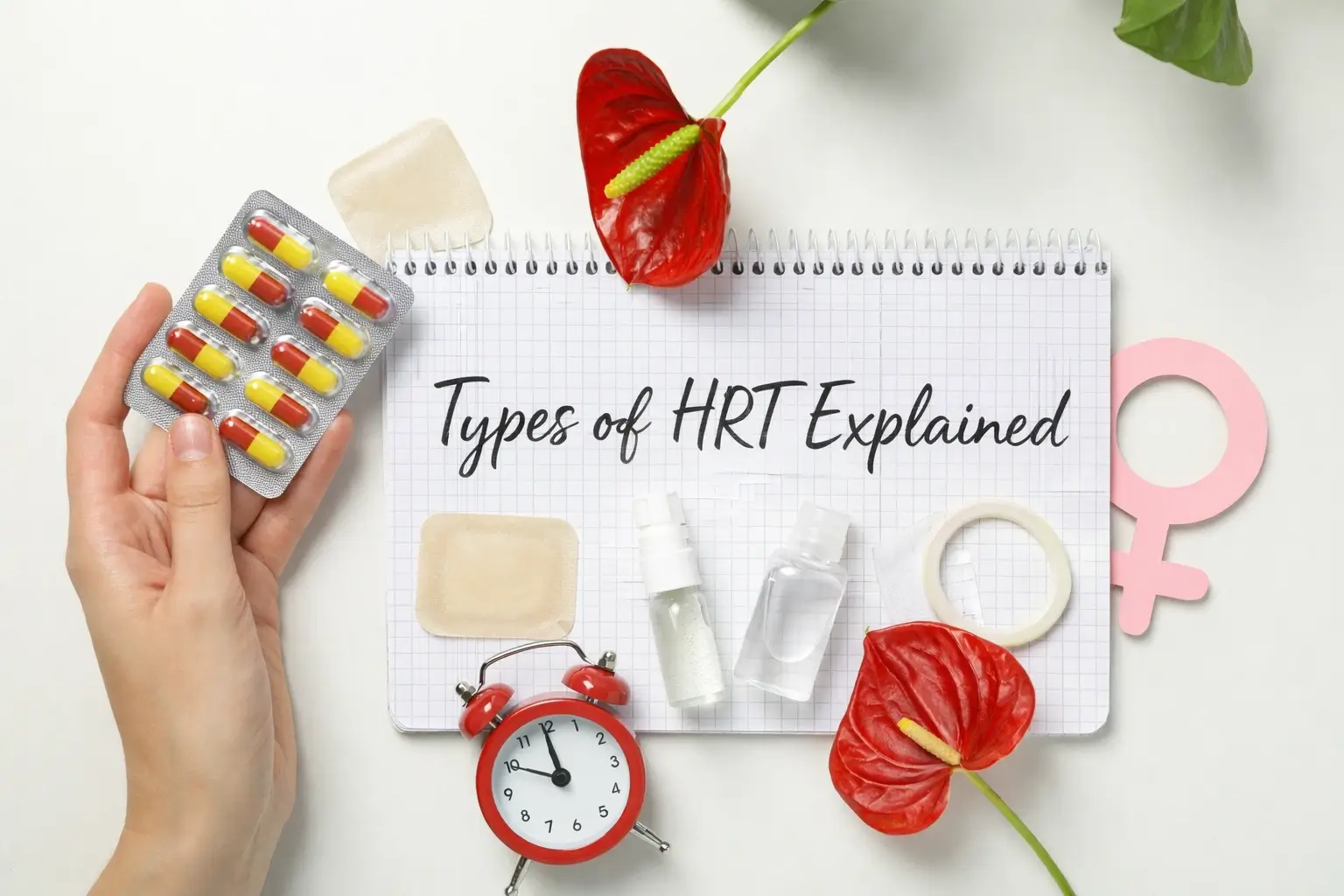
Estradiol is also a cornerstone of Hormone Replacement Therapy (HRT): One of the most effective, clinically validated ways to support women through perimenopause and menopause. As estradiol levels naturally decline in the late 30s, 40s, and 50s, women often experience intense symptoms such as hot flashes, night sweats, vaginal dryness, sleep disturbances, mood shifts, weakened bones, loss of libido, brain fog, and sudden weight redistribution. Because estradiol receptors exist throughout the body in the brain, bones, skin, heart, gut, and pelvic tissues replacing this hormone in a safe, controlled way can dramatically improve a woman’s quality of life.
In HRT, estradiol can be administered through transdermal patches, gels, creams, oral tablets, and vaginal forms, each designed to deliver consistent, physiologically appropriate estrogen levels without overwhelming the body. For perimenopausal women, HRT helps stabilise fluctuating hormones. For menopausal women, it replaces the estradiol the body no longer produces helping relieve symptoms, protect bone density, reduce risk of osteoporosis, improve sexual comfort, and restore mental clarity, energy, and emotional wellbeing. Simply put: HRT is not a luxury, it’s a life-changing medical tool that allows women to age with comfort, dignity, confidence, and vitality.
And this is exactly why Miror has built India’s first HRT Centre of Excellence: a pioneering initiative that bridges world-class hormone science with compassionate women’s healthcare. For the first time in India, women have access to a specialised, integrated hormone optimisation program that includes:
personalised hormone profiling,
precision-dosed estradiol therapies,
evidence-backed protocols,
continuous medical supervision, and
a deeply empathetic, woman-first approach.
Miror’s HRT Centre of Excellence empowers women to understand their hormones, reclaim their wellbeing, and receive the kind of high-standard, science-driven hormone care that has long been unavailable in India. By bringing global best practices and cutting-edge endocrinology to Indian women, Miror is not just offering HRT, it is redefining what midlife vitality, comfort, and womanhood can look like.
Below is a simple, science-backed guide showing exactly what supports healthy estradiol levels and why it matters:
| Category | What to Include | Why It Helps Estradiol |
|---|---|---|
| Nourish Your Hormones | Healthy fats (avocado, ghee, olive oil) Cruciferous vegetables (broccoli, cabbage, kale) Omega-3s (flaxseed, walnuts, fatty fish) High-fiber foods Adequate protein Vitamin D Magnesium B-complex vitamins | Supports hormone synthesis, regulates estrogen metabolism, improves endocrine function, stabilizes energy and mood. |
| Reduce Stress Load | Breathwork Yoga Walking Restorative sleep Magnesium glycinate | Chronic stress lowers estradiol and disrupts ovulation. Stress-reduction improves hormonal balance and regulates cortisol. |
| Support Your Gut (estradiol is recycled in the gut via the estrobolome) | Probiotics Fermented foods Fiber-rich meals Hydration | Healthy gut bacteria help metabolize and balance estradiol. Poor gut health can cause estrogen dominance or deficiency. |
| Movement Matters | Strength training Pilates Light cardio Cycle-syncing workouts | Physical activity boosts estrogen sensitivity, improves mood, supports weight balance, and reduces inflammation. |
| Know When to Test | Estradiol Progesterone FSH/LH Thyroid panel Vitamin D Cortisol | If symptoms persist, testing clarifies what your hormones are doing and helps guide safe, effective treatment. |
Understanding your data isn’t scary, it’s empowering.
Your body speaks through your hormones, and the more you listen, the more supported you’ll feel.
Estradiol is the quiet architect of your womanhood.
It shapes your:
mood
mind
metabolism
energy
emotional intelligence
sexuality
confidence
sense of self
When estradiol flows in balance, you feel like you; vibrant, grounded, connected, alive.
When it dips or fluctuates, you may feel unlike yourself.
And that is not your fault.
It is your biology calling for support, not judgment.
Understanding estradiol is an act of self-love.
Supporting estradiol is an act of self-care.
And honouring your hormone journey is an act of deep, radical compassion.
You’re not “hormonal.”
You’re human.
And you’re beautifully, wonderfully, powerfully cyclical.
Estradiol-related mood shifts tend to follow a pattern: they appear predictably before your period, intensify during perimenopause, or worsen when sleep and energy dip. Stress, on the other hand, feels more constant and usually comes with mental overwhelm rather than fog or emotional sensitivity. If your mood changes feel cyclical or if they suddenly worsen in your late 30s or 40s—estradiol is very likely involved. A simple blood test can confirm this.
Absolutely. A woman can have perfectly regular cycles while still experiencing low, fluctuating, or poorly metabolised estradiol. Symptoms like fatigue, brain fog, PMS, low libido, bloating, and heavy or painful periods can still occur even if your cycle length is predictable. Estradiol function is about quality and stability, not just timing.
Estradiol decline after 35 is part of the natural hormonal timeline. Your ovaries become more sensitive to stress and produce fewer high-quality follicles each cycle. This reduces estradiol peaks and makes hormone swings more noticeable. It’s not your fault and not a sign of poor health, it’s simply biology adjusting with age.
Lifestyle habits such as strength training, stress reduction, healthy fats, fiber, gut-friendly foods, and better sleep can significantly support estradiol production and metabolism. Many women feel 50–70% better with these changes alone. However, in perimenopause or cases of clinical deficiency, targeted medical treatment or HRT may be essential for full relief.
In perimenopause, estradiol can be used in lower, precision-dosed amounts to stabilise fluctuating hormones and calm symptoms. During menopause, estradiol is used to replace what the body no longer produces. When monitored by experts, estradiol therapy is considered safe and highly effective for most women—especially when personalized through centres like Miror’s HRT Centre of Excellence.


 ×
×