

Estrogen is not just a reproductive hormone. It is a master regulator that touches nearly every system in a woman’s body. From the strength of your bones to the clarity of your thoughts, from the elasticity of your skin to the warmth of your libido, estrogen quietly orchestrates balance.
Yet for millions of women, estrogen begins to decline far earlier than expected. Often silently. Often dismissed. And very often misunderstood.
If you are here, searching for how to increase estrogen in females, it is likely because your body is asking for support. Perhaps through fatigue that no amount of sleep fixes. Perhaps through mood shifts that feel unfamiliar. Perhaps through changes in weight, skin, cycles, desire, or a deep sense that you no longer feel like yourself.
This article is not about quick fixes or trendy hormone hacks. It is about understanding estrogen deeply, respectfully, and scientifically. And then learning how to support it in ways that are safe, evidence based, and profoundly nurturing to the female body.
Estrogen is not one hormone. It is a family of hormones, primarily estradiol, estrone, and estriol.
Estradiol is the most potent and biologically active form. It dominates during reproductive years and plays a critical role in metabolism, brain health, cardiovascular protection, muscle maintenance, bone density, and sexual function.
As women enter perimenopause and menopause, estradiol levels fluctuate and then decline. But low estrogen in women is not limited to midlife. It can occur in younger women due to chronic stress, under eating, excessive exercise, thyroid dysfunction, PCOS, postpartum changes, or prolonged hormonal contraceptive use.
According to research published by Harvard Medical School, estrogen receptors are present in the brain, heart, bones, skin, gut, and immune system. This explains why estrogen decline has such widespread effects.
Before learning how to increase estrogen in females, it is essential to recognize how the body communicates deficiency.
Low estrogen may present as irregular or absent periods, hot flashes, night sweats, vaginal dryness, recurrent urinary infections, low libido, mood swings, anxiety, brain fog, poor sleep, joint pain, weight gain around the abdomen, thinning hair, dry skin, and reduced exercise tolerance.
A review published in the journal Endocrine Reviews highlights that estrogen deficiency also accelerates bone loss and increases cardiovascular risk.
A critical scientific nuance often missed online is this. The goal is not to artificially spike estrogen. The goal is to restore estrogen signaling and balance.
Estrogen works in harmony with progesterone, cortisol, insulin, thyroid hormones, and the gut microbiome. Supporting estrogen requires supporting the entire hormonal ecosystem.
This is why any meaningful approach to increasing estrogen in females must be multi dimensional.
The table below summarizes evidence based strategies that support estrogen production and estrogen signaling in females across different life stages:
| Approach | How It Supports Estrogen |
|---|---|
| Adequate calorie intake | Signals safety to the brain, allowing normal estrogen production |
| Healthy dietary fats | Provides cholesterol needed for estrogen synthesis |
| Gut microbiome support | Improves estrogen recycling via the estrobolome |
| Stress and cortisol regulation | Prevents cortisol driven suppression of estrogen |
| Restoring ovulation | Increases natural estradiol production in cycling women |
| Improving insulin sensitivity | Enhances healthy estrogen metabolism |
| Strength training | Improves estrogen receptor sensitivity in muscle and bone |
| Quality sleep | Supports circadian rhythm and estrogen signaling |
| Phytoestrogen rich foods | Gently modulate estrogen receptors |
| Correcting nutrient deficiencies | Supports estrogen synthesis and receptor function |
| Reducing endocrine disruptors | Prevents estrogen receptor interference |
| Individualized hormone therapy | Restores estrogen when lifestyle support is insufficient |
One of the most overlooked causes of low estrogen in women is chronic under eating.
Estrogen production is energy dependent. When the brain perceives scarcity, it downregulates reproductive hormones as a survival mechanism.
Studies show that low energy availability suppresses the hypothalamic pituitary ovarian axis, reducing estrogen output.
Adequate calories, especially from whole foods, are foundational. This includes sufficient carbohydrates, healthy fats, and protein.
Estrogen is synthesized from cholesterol, making dietary fat essential for hormone production. Diets that are excessively low in fat can disrupt estrogen synthesis and worsen symptoms such as fatigue, dry skin, and cycle irregularities.
Research published in the Journal of Clinical Endocrinology and Metabolism confirms that dietary fat intake directly influences circulating estrogen levels. Including a consistent intake of healthy fats such as olive oil, ghee, nuts, seeds, avocados, fatty fish, and full fat dairy if tolerated supports hormonal stability and cellular health.
The gut plays a central role in estrogen metabolism through a specialized group of bacteria known as the estrobolome. These microbes regulate how estrogen is activated, recycled, and eliminated from the body.
When gut diversity declines due to stress, poor diet, or antibiotics, estrogen clearance can become inefficient, leading to lower effective estrogen levels. Fermented foods, fiber rich vegetables, legumes, and targeted probiotics help maintain a healthy estrobolome and support balanced estrogen signaling.
Cortisol and estrogen exist in an inverse relationship. When cortisol remains elevated due to chronic stress, estrogen production is suppressed as the body prioritizes survival over reproductive and hormonal balance.
Supporting the nervous system through adequate sleep, mindfulness practices, gentle movement, and emotional connection is not optional. It is a foundational form of hormonal medicine that protects estrogen levels and reduces the intensity of low estrogen symptoms.
In cycling women, estrogen peaks before ovulation. Anovulatory cycles significantly reduce estrogen exposure.
Adequate nutrition, stress reduction, thyroid health, and insulin sensitivity are critical for restoring ovulation.
This is particularly relevant for women with PCOS, where estrogen signaling may be disrupted despite normal or high estrogen levels.
Insulin resistance alters estrogen metabolism and shifts estrogen toward less protective pathways within the body. Over time, this imbalance can worsen inflammation, weight gain, and hormonal symptoms.
Improving insulin sensitivity through balanced meals, resistance training, adequate protein intake, and consistent meal timing supports healthier estrogen signaling and improves overall metabolic and hormonal resilience.
Resistance training supports estrogen receptor sensitivity in muscle and bone, helping preserve strength and bone density as estrogen levels shift. It also improves insulin sensitivity and metabolic health, both of which influence estrogen balance.
Excessive endurance exercise, especially without adequate fueling, can raise cortisol and suppress estrogen production. Studies in sports medicine show that regular strength training improves estrogen responsiveness and protects against bone loss, making it a safer and more supportive choice for hormonal health.
Estrogen interacts closely with melatonin and the body’s circadian rhythm, which means sleep is not passive rest but active hormonal repair. During deep sleep, the brain regulates signals from the hypothalamus and pituitary that influence ovarian and adrenal hormone production. When sleep is consistently poor or fragmented, cortisol rises, insulin sensitivity worsens, and estrogen signaling becomes disrupted.
In women already experiencing low estrogen, inadequate sleep can intensify symptoms such as hot flashes, mood swings, brain fog, and fatigue. Prioritizing regular sleep timing, reducing nighttime light exposure, and supporting deep, restorative sleep helps protect estrogen balance and improves how the body responds to existing estrogen.
Phytoestrogens are naturally occurring plant compounds that gently interact with estrogen receptors in the body. Unlike synthetic hormones, they do not replace estrogen but act as modulators, meaning they can provide mild estrogenic support when levels are low and reduce overstimulation when levels are high.
Foods such as flaxseeds, sesame seeds, soy, chickpeas, and lentils contain phytoestrogens in the form of isoflavones and lignans. When consumed as part of a balanced diet, they may support estrogen signaling, bone health, and cardiovascular protection, particularly during perimenopause and menopause.
| Food | Primary Phytoestrogen | How It Supports Estrogen Balance |
|---|---|---|
| Flaxseeds | Lignans | Supports estrogen metabolism and gut recycling |
| Sesame seeds | Lignans | Gentle estrogen receptor modulation |
| Soy foods (tofu, tempeh) | Isoflavones | Supports estrogen signaling, especially post menopause |
| Chickpeas | Isoflavones | Mild estrogen support with added fiber |
| Lentils | Isoflavones | Helps balance hormones and blood sugar |
| Whole grains | Lignans | Supports gut health and estrogen recycling |
Several nutrients are required for estrogen synthesis and receptor sensitivity.
These include vitamin D, magnesium, zinc, selenium, iodine, and B vitamins.
Low vitamin D has been associated with lower estradiol levels too.
Testing and targeted supplementation under guidance is ideal.
Certain chemicals interfere with estrogen signaling by mimicking or blocking receptors.
These include BPA, phthalates, certain pesticides, and synthetic fragrances.
Reducing exposure through clean cookware, personal care products, and food storage matters.
For some women, lifestyle support alone may not be sufficient.
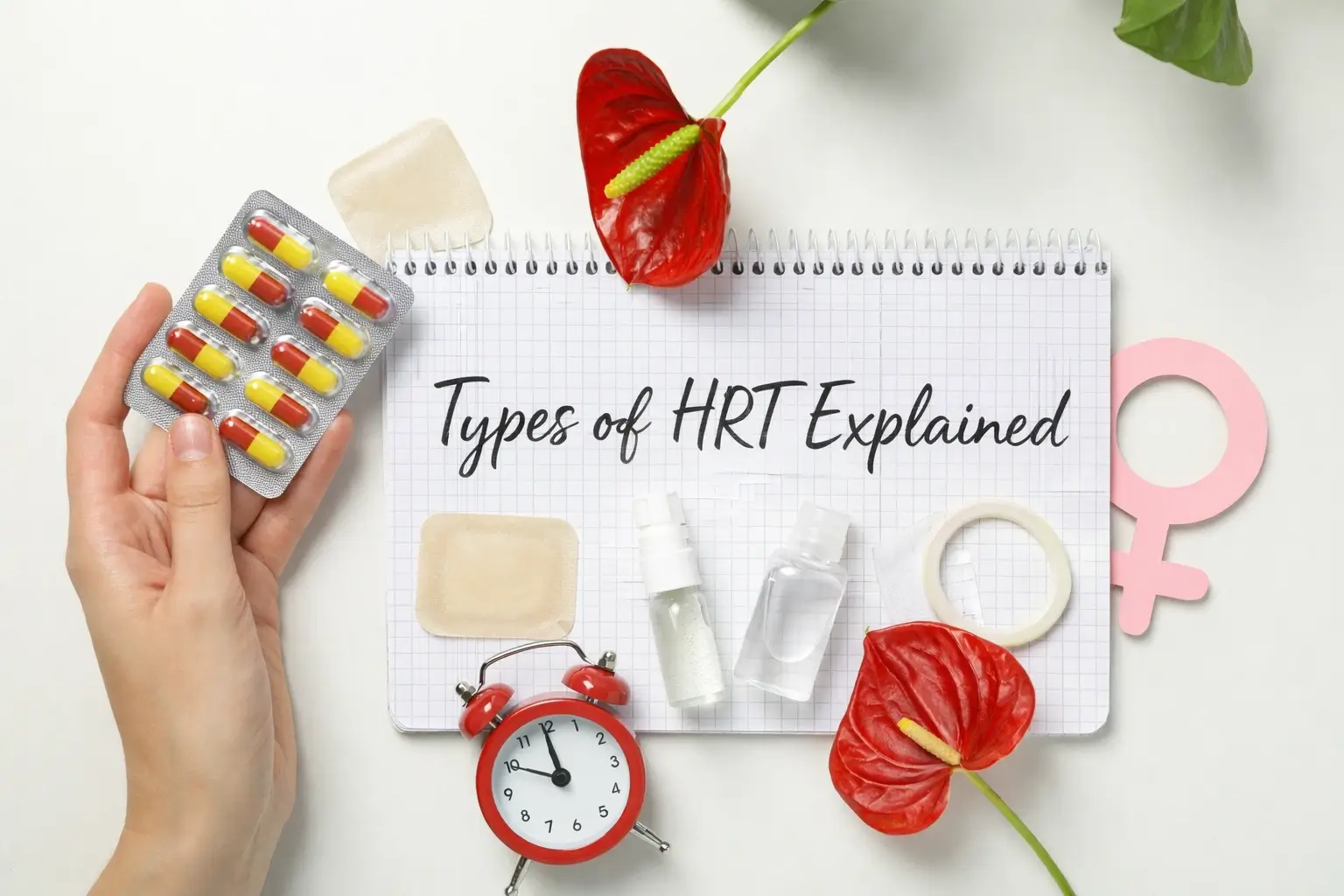
Bioidentical hormone therapy, when appropriately prescribed, can safely restore estrogen levels and protect long term health.
This decision must always be individualized and guided by a knowledgeable clinician.
Recognizing the urgent gap in evidence based hormonal care for women, Miror has launched India’s first HRT Centre of Excellence, dedicated exclusively to perimenopause, menopause, and midlife hormonal health. This centre brings together trained clinicians, dietitians, and hormone specialists who work with the latest global research and individualized protocols to support women experiencing low estrogen and other hormonal shifts. At Miror, hormone therapy is never approached as a one size fits all solution. Instead, it is guided by science, safety, and deep respect for the female body. For women who need more than lifestyle support alone, Miror’s HRT Centre of Excellence represents a long overdue space where hormonal care is informed, compassionate, and truly centered around women’s long term health and quality of life.
Quick Summary: 12 Science-Backed Ways to Increase Estrogen Naturally:
| No. | Focus Area | Why It Matters for Estrogen |
|---|---|---|
| 1 | Adequate Nutrition | Estrogen production is energy dependent and downregulates with chronic under eating |
| 2 | Healthy Fats | Estrogen is synthesized from cholesterol and requires dietary fat |
| 3 | Gut & Estrobolome Health | Regulates estrogen activation, recycling, and elimination |
| 4 | Stress & Cortisol Control | Chronic cortisol suppresses estrogen production |
| 5 | Ovulation Support | Ovulatory cycles provide natural estrogen peaks |
| 6 | Insulin Sensitivity | Healthy insulin signaling protects estrogen metabolism |
| 7 | Strength Training | Improves estrogen receptor sensitivity in muscle and bone |
| 8 | Restorative Sleep | Supports hormonal signaling and estrogen responsiveness |
| 9 | Phytoestrogen Foods | Gentle estrogen receptor modulation when used wisely |
| 10 | Micronutrient Repletion | Vitamins and minerals support estrogen synthesis |
| 11 | Endocrine Disruptor Reduction | Prevents interference with estrogen signaling |
| 12 | Individualized Hormone Therapy | Restores estrogen when lifestyle support alone is insufficient |
Low estrogen in women is not a failure of the body. It is a message.
A message asking for nourishment, rest, safety, connection, and care.
Learning how to increase estrogen in females is not about forcing the body into youth. It is about supporting it through evolution.
Hormones do not decline randomly. They respond to how safe, supported, and nourished a woman feels in her body and her life.
When estrogen is supported gently and scientifically, women do not just feel better. They come home to themselves again.
Females can support healthy estrogen levels naturally by ensuring adequate calorie intake, consuming healthy fats, managing chronic stress, improving gut health, prioritizing sleep, and maintaining balanced blood sugar. Estrogen production is closely linked to energy availability and overall hormonal balance, so under eating, excessive exercise, and chronic stress can suppress estrogen. Supporting the gut microbiome and reducing exposure to endocrine disrupting chemicals also plays an important role in improving estrogen signaling.
Low estrogen in women can result from perimenopause and menopause, chronic stress, excessive cortisol, under nutrition, intense exercise, thyroid dysfunction, PCOS, postpartum hormonal shifts, and prolonged use of hormonal contraceptives. In many cases, estrogen decline is not sudden but gradual and compounded by lifestyle and metabolic stressors that disrupt the body’s hormonal communication systems.
Yes, diet has a significant influence on estrogen production and metabolism. Estrogen synthesis requires sufficient calories, dietary fats, protein, and micronutrients such as vitamin D, magnesium, zinc, and B vitamins. Foods rich in phytoestrogens like flaxseeds, soy, lentils, and chickpeas can gently support estrogen receptor activity, while fiber rich foods help the gut recycle estrogen more efficiently.
Chronic stress raises cortisol, which directly suppresses estrogen production and disrupts ovulation in cycling women. When the body perceives prolonged stress, it prioritizes survival over reproduction, leading to lower estrogen output. Managing stress through sleep, emotional regulation, gentle movement, and nervous system support is one of the most effective ways to protect estrogen levels and reduce symptoms of low estrogen in women.
Hormone therapy may be considered when lifestyle and nutritional strategies are not sufficient to relieve symptoms or protect long term health, particularly during perimenopause and menopause. For some women, estrogen therapy can improve bone health, cardiovascular protection, mood stability, sleep, and quality of life. This decision should always be individualized and guided by a qualified healthcare professional who understands female hormonal health.



 ×
×