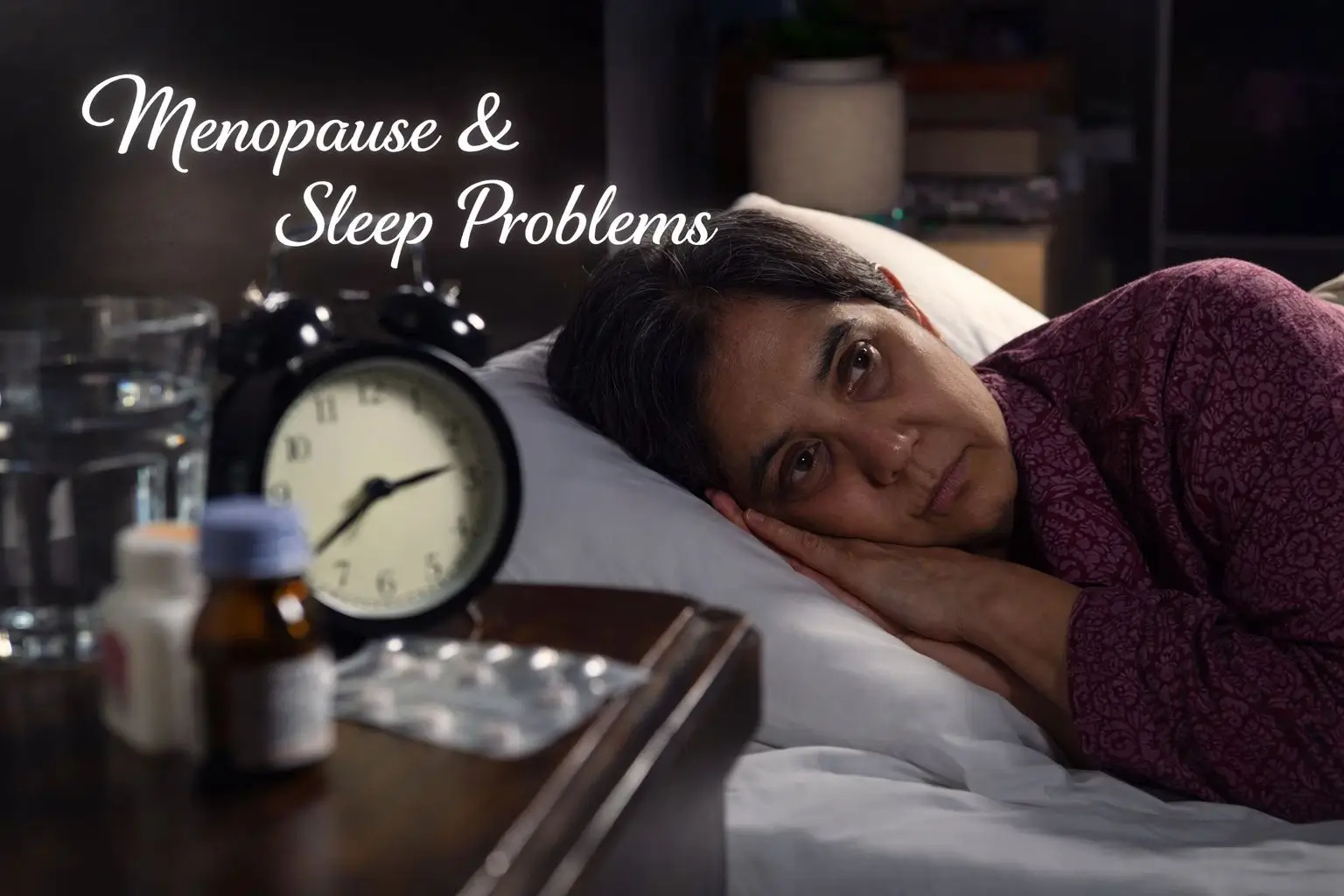


There comes a time when your cycle no longer feels predictable. Periods shift, sleep feels lighter, and your body responds differently to stress. It begins subtly, then gradually becomes harder to ignore. A missed period here. A restless night there. A sense that something is recalibrating beneath the surface.
Many women search for a menopause test name hoping for one definitive answer. In reality, menopause is not diagnosed through a single label on a lab report. Doctors evaluate hormone patterns, menstrual history, and age together to determine whether the transition is underway.
There is no standalone laboratory test officially titled a menopause test. When women search for a menopause test name, they are usually referring to the group of hormone blood tests doctors use to evaluate ovarian function and estrogen production.
The most commonly measured marker is follicle stimulating hormone, or FSH. As ovarian function declines, the brain releases more FSH to stimulate the ovaries. Persistently elevated FSH levels, especially alongside irregular or absent periods, strongly support menopausal transition.
Doctors may also assess:
Estradiol, the primary circulating form of estrogen
Luteinizing hormone
Anti Müllerian hormone in selected cases
Testing is particularly helpful when menopause occurs before age 45, when cycles stop abruptly, or when symptoms overlap with thyroid or metabolic conditions. For women over 45 with typical patterns, diagnosis is often clinical and supported, not defined, by bloodwork.
Women are born with a finite supply of ovarian follicles. Over time, this reserve gradually diminishes as part of natural aging. As fewer follicles respond to hormonal signals, estrogen production becomes inconsistent before steadily declining.
This phase, often called perimenopause, may last several years. Hormone levels can fluctuate significantly from one month to the next, which explains unpredictable cycles and shifting symptoms. During this stage, searching for a menopause test name may feel reassuring, but a single blood test reflects only one moment in a broader biological transition.
When estrogen levels decrease, communication between the ovaries and brain shifts. The pituitary gland increases FSH production in an attempt to stimulate ovulation.
Persistently high FSH readings support menopausal transition. However, in early perimenopause, levels may rise temporarily and later stabilize. Doctors interpret FSH results in the context of age, menstrual history, and overall symptom progression rather than relying on one isolated value.
Estradiol supports multiple systems beyond reproduction. It contributes to bone remodeling, vascular flexibility, brain signaling, and skin structure.
As estradiol declines, temperature regulation in the brain becomes more sensitive, contributing to hot flashes. Bone turnover accelerates, increasing long term osteoporosis risk. Vaginal tissues may thin due to reduced local estrogen stimulation.
Consistently low estradiol combined with the absence of menstruation helps confirm menopausal status.
| Hormonal Change | Mechanism |
|---|---|
| Declining follicles | Reduced ovarian response lowers estrogen production |
| Elevated FSH | Brain increases stimulation due to falling estrogen |
| Lower estradiol | Affects bone, vascular, neurological, and metabolic systems |
Hormonal changes affect nearly every organ system because estrogen receptors are widely distributed.
Visible changes may begin with irregular cycles. While searching for a menopause test name may provide diagnostic clarity, physical signs such as declining skin elasticity and shifting fat distribution toward the abdomen often reflect the broader hormonal transition already underway.
Neurological changes include increased temperature sensitivity and lighter sleep architecture. Night sweats can fragment deep sleep cycles, resulting in fatigue and reduced concentration during the day.
Musculoskeletal effects develop gradually as bone remodeling accelerates. Without monitoring, long term fracture risk increases.
Genitourinary changes may include dryness or discomfort due to declining local estrogen levels.
These shifts represent systemic hormonal recalibration rather than isolated disruptions.
| Symptom | What It May Indicate |
|---|---|
| Irregular cycles | Ovarian hormone fluctuation |
| Hot flashes | Temperature regulation changes |
| Sleep disruption | Hormonal influence on circadian rhythm |
| Vaginal dryness | Reduced local estrogen effect |
| Mood variability | Neurotransmitter response to estrogen decline |
Menopause intersects closely with metabolic health.
Declining estrogen influences insulin sensitivity, which affects how efficiently cells utilize glucose. Some women notice shifts in weight distribution or energy stability during this time.
Cortisol, the body’s stress hormone, may feel more pronounced. Hormonal fluctuations can heighten stress responsiveness and interfere with sleep quality.
Lower estrogen levels are also associated with gradual increases in inflammatory markers, which influence long term cardiovascular health. Research shows that postmenopausal hormonal changes affect lipid balance and vascular function, contributing to increased cardiovascular risk after menopause.
Routine screening of glucose, cholesterol, and blood pressure provides important context beyond reproductive hormones.
For women exploring symptom focused care, our guide on treatment for hot flashes outlines structured options.
Menopause is a natural biological milestone. Ovarian aging is part of human physiology, and eventually menstrual cycles stop permanently.
What is not inevitable is how intensely it is experienced.
Symptom severity varies widely between individuals. Genetics influence how quickly ovarian reserve declines and how sensitive the brain is to hormonal shifts. Metabolic health shapes how the body adapts to falling estrogen. Sleep quality, chronic stress, physical activity, and nutritional patterns all influence how noticeable the transition becomes.
For some women, menopause unfolds gradually with minimal disruption beyond cycle irregularity. For others, temperature instability, sleep disturbance, or mood shifts require structured medical or nutritional guidance.
Menopause itself is not a disease. It represents a hormonal recalibration that requires monitoring and preventive care. When approached proactively, long term risks can be reduced through screening, lifestyle intervention, and evidence based treatment when appropriate.
When symptoms significantly affect sleep, work, or daily functioning, medical therapy may be considered.
Hormone Replacement Therapy replaces declining estrogen and, when required, progesterone. It remains the most effective treatment for hot flashes and supports bone density when prescribed appropriately.
Some women cannot take hormone therapy for medical reasons, including certain cancers or clotting disorders. In these cases, non hormonal medications and targeted therapies may reduce symptom frequency and severity.
Treatment decisions are individualized and based on age, time since last period, cardiovascular profile, and personal medical history.
Menopause signals a shift toward preventive health planning.
Cardiovascular screening becomes essential because lipid patterns change after estrogen declines. Bone density assessment evaluates osteoporosis risk. Metabolic panels identify early insulin resistance or cholesterol shifts.
Proactive monitoring supports long term strength, mobility, and vascular stability.
Consult a healthcare professional if you experience:
Periods stopping before age 40
Heavy or prolonged bleeding
Severe sleep disruption
Mood changes affecting daily functioning
Unexplained fatigue or weight loss
Early evaluation helps exclude thyroid disorders, premature ovarian insufficiency, or other endocrine conditions.
Understanding your menopause test name is only one part of the journey. Hormonal transitions are not decline. They are biological shifts that require clarity, context, and informed support.
Understanding hormone test results is only one part of the process. What matters equally is knowing what those numbers mean for metabolism, sleep, cardiovascular health, and long term wellbeing.
For women who need medical clarity, a structured hormonal consultation can help interpret lab reports and outline appropriate next steps. Because insulin sensitivity and inflammatory changes often accompany menopausal transition, working with a menopause informed dietician can provide personalized nutritional guidance that supports metabolic stability.
Beyond individual consultations, the Miror Community offers expert led education and shared experience in a judgment free environment designed specifically for women navigating perimenopause and menopause.
When medical insight, nutritional strategy, and community support work together, the transition becomes informed rather than uncertain.
There is no single official menopause test name used in medical practice. Doctors typically evaluate FSH and estradiol levels alongside menstrual history. Menopause is confirmed after 12 consecutive months without a period, supported by consistent hormonal patterns rather than one isolated lab value.
Yes. In women over 45 who experience typical symptoms followed by a full year without menstruation, menopause is diagnosed clinically. Blood tests are mainly used when menopause occurs earlier than expected or when symptoms overlap with thyroid or metabolic conditions.
FSH levels fluctuate significantly during early transition. A single elevated reading does not confirm menopause. Doctors interpret results in combination with age, menstrual history, and symptom progression to ensure accuracy.
Yes. Because declining estrogen influences insulin sensitivity, cholesterol levels, and cardiovascular risk, comprehensive metabolic screening provides a broader understanding of long term health beyond reproductive hormones alone.
Hormone therapy may be appropriate when symptoms significantly impair sleep, work performance, or quality of life. Eligibility depends on age, time since last period, and personal medical history. A structured medical consultation helps determine suitability.





 ×
×