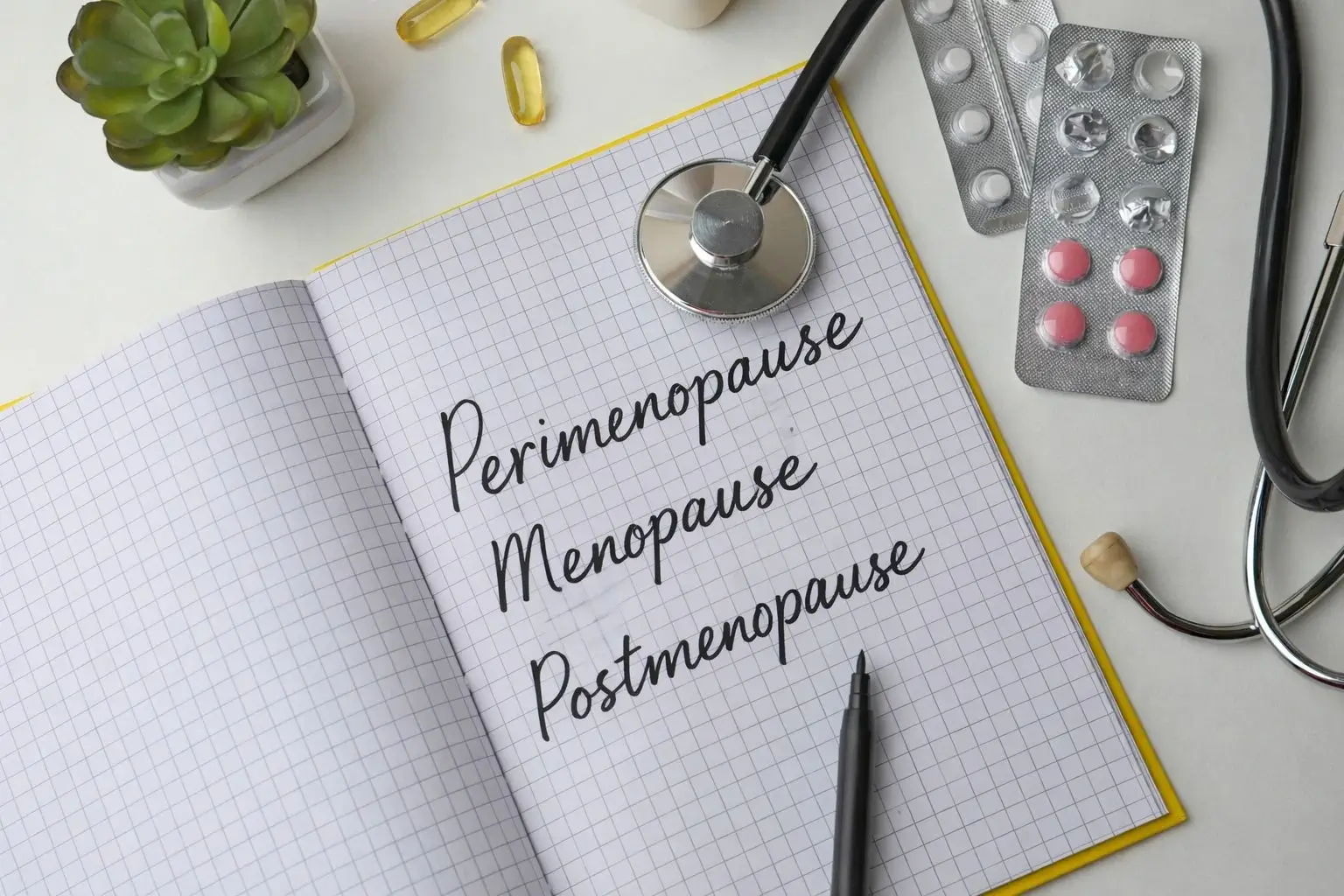

Understanding the perimenopause meaning can feel confusing for many women navigating hormonal changes for the first time. Mood swings, irregular periods, fatigue, sleep disturbance, and sudden emotional sensitivity often appear years before menopause is officially diagnosed.
Yet terms like perimenopause, menopause, and postmenopause are frequently used interchangeably. In reality, they represent distinct menopause stages that influence health, fertility, metabolism, and emotional wellbeing in different ways.
This guide gently clarifies what is perimenopause, how it differs from menopause and postmenopausal meaning, and what women can expect during each phase.
Understanding the perimenopause meaning becomes much clearer when we compare how each menopause stage affects the body, emotions, and long term health.
(Georgetown University).
| Difference Area | Perimenopause | Menopause | Postmenopause |
|---|---|---|---|
| Hormonal Pattern | Estrogen levels fluctuate unpredictably causing varied symptoms | Estrogen declines significantly as periods stop | Hormones stabilise at lower levels allowing gradual adaptation |
| Fertility Status | Pregnancy is still possible though cycles become irregular | Natural fertility ends after twelve months without periods | Focus shifts from fertility to preventive health and vitality |
| Symptom Experience | Mood swings sleep disturbance and cycle changes are common | Hot flashes night sweats and vaginal dryness may peak | Symptoms often reduce but metabolic and bone care becomes important |
| Metabolic and Bone Health | Early changes in weight distribution and insulin sensitivity may begin | Bone density decline accelerates and cardiovascular risks rise | Preventive strategies help protect heart brain and skeletal health |
| Emotional Transition | Uncertainty and identity questioning may arise | Menopause can feel like a major life turning point | Emotional clarity self acceptance and renewed priorities often emerge |
To understand the perimenopause meaning fully, it is important to recognise that this phase is not sudden.
Perimenopause may last four to ten years. During this time ovarian hormone production becomes unpredictable. Estrogen levels may spike one month and fall dramatically the next.
This instability explains symptoms such as:
• heavy or missed periods
• anxiety or irritability
• brain fog
• breast tenderness
• weight redistribution
Research in John Hopkins Medicine confirms that symptom severity varies widely across individuals.
According to research, hormonal transition can begin as early as the late thirties for some women. In India, studies from the Indian Menopause Society show menopause often occurs earlier than in Western populations, making awareness of menopause stages essential for timely support and lifestyle planning.
Knowing the perimenopause meaning allows women to:
• recognise early symptoms
• prevent metabolic complications
• protect bone and cardiovascular health
• maintain emotional resilience
(My Menopause Centre).
Menopause is defined medically as twelve consecutive months without menstruation.
Unlike perimenopause symptoms, menopause diagnosis is retrospective. Women only know they have reached menopause after one full year without periods.
Common experiences include:
• intense hot flashes
• night sweats
• reduced libido
• sleep fragmentation
• skin and hair changes
Hormonal testing is usually not required unless symptoms occur unusually early.
(Healthline).
The postmenopausal meaning extends far beyond the end of periods.
This stage can span decades and significantly influences ageing physiology.
Lower estrogen levels may affect:
• bone density
• cholesterol metabolism
• insulin sensitivity
• vaginal tissue health
A study in Science Direct highlights increased cardiovascular risk after menopause, especially without preventive lifestyle strategies.
Hormonal transitions often affect identity as much as biology.
Women may experience grief around fertility, shifting relationships, or changing body image. Understanding the perimenopause meaning helps normalise these feelings and reduces self doubt. Supportive counselling and community engagement can be deeply healing.
(Harvard Health).
Cultural silence around menopause still persists in many Indian households.
Women may attribute perimenopause symptoms to stress or ageing rather than hormonal transition. Increasing education around menopause stages allows earlier medical consultation and better quality of life. Urban healthcare centres are now integrating menopause clinics and hormone literacy programmes.
While medical therapies may be appropriate in certain cases, foundational care remains essential:
• balanced nutrition
• strength training
• sleep hygiene
• stress regulation
• regular health screening
Such practices improve resilience across all menopause stages.
As women move through different menopause stages, their nutritional and lifestyle needs naturally evolve. Thoughtfully designed stage specific wellness support can help ease this transition. For example, perimenopausal women experiencing fluctuating hormones and emotional changes may benefit from targeted formulations such as Miror Bliss that focus on mood balance, cycle support, and energy.
During postmenopause, when metabolic health, bone strength, and tissue hydration become more important, structured nutritional support like Miror Thrive may help women maintain vitality and resilience. For women above sixty five navigating healthy ageing concerns including cognition, mobility, and sustained wellbeing, formulations such as Miror Mily are designed to complement holistic care approaches.
Beyond supplements, thousands of women today are finding meaningful guidance inside the Miror Community. Through expert led sessions, doctor consultations, wellness quizzes, shared conversations, and both online and offline events, this growing circle of sisterhood is helping women feel informed, supported, and empowered across every menopause stage.
Consult a doctor if:
• periods stop before age forty
• bleeding becomes extremely heavy
• mood symptoms impair functioning
• persistent vaginal discomfort occurs
Early understanding of what is perimenopause allows proactive menopause care planning. The hormonal journey from perimenopause to menopause and postmenopause is deeply individual yet universally significant.
Understanding the perimenopause meaning empowers women to interpret their symptoms with clarity rather than fear. With timely awareness, compassionate care, and informed lifestyle choices, this transition can become a powerful phase of renewal rather than uncertainty.
Every stage carries its own rhythm. Learning to listen to the body is the first step toward thriving through menopause.
Perimenopause meaning refers to the hormonal transition phase before menopause when estrogen levels begin to fluctuate. Women may experience irregular periods, mood changes, sleep disturbance, and early hot flashes. This stage can last several years before menopause is officially diagnosed.
Common perimenopause symptoms include irregular menstrual cycles, anxiety, fatigue, brain fog, breast tenderness, night sweats, and changes in metabolism. Symptom intensity varies widely among women and may improve with lifestyle support, medical guidance, and emotional care.
Perimenopause is the transition period when hormones fluctuate and periods become irregular. Menopause is diagnosed after twelve consecutive months without menstruation. Understanding menopause stages helps women recognise symptoms early and plan preventive health strategies.
Postmenopausal meaning refers to the life stage after menopause when periods have permanently stopped and estrogen levels remain consistently low. During this phase, women focus more on bone health, cardiovascular wellness, metabolism, and long term vitality.
Perimenopause may last four to ten years depending on genetics and lifestyle. Menopause itself is a single diagnostic milestone, while postmenopause continues for the rest of life. Awareness of menopause stages helps women seek timely medical and lifestyle support.







 ×
×