
Menopause is not a moment but a transformation that unfolds over time. As estrogen levels shift and eventually decline, the female body adapts in ways that are both visible and unseen. While many women are prepared for hot flashes or mood changes, far fewer are informed about the intimate tissue changes that quietly develop during this phase.
For many women, the early signs of dryness and irritation can feel confusing, especially when accompanied by unexpected spotting. Vaginal atrophy and bleeding after menopause usually develop gradually as estrogen levels decline and vaginal tissues lose their natural strength and moisture. Understanding these symptoms as part of a hormonal transition rather than a sudden health problem allows women to seek timely care and prevent discomfort from progressing.
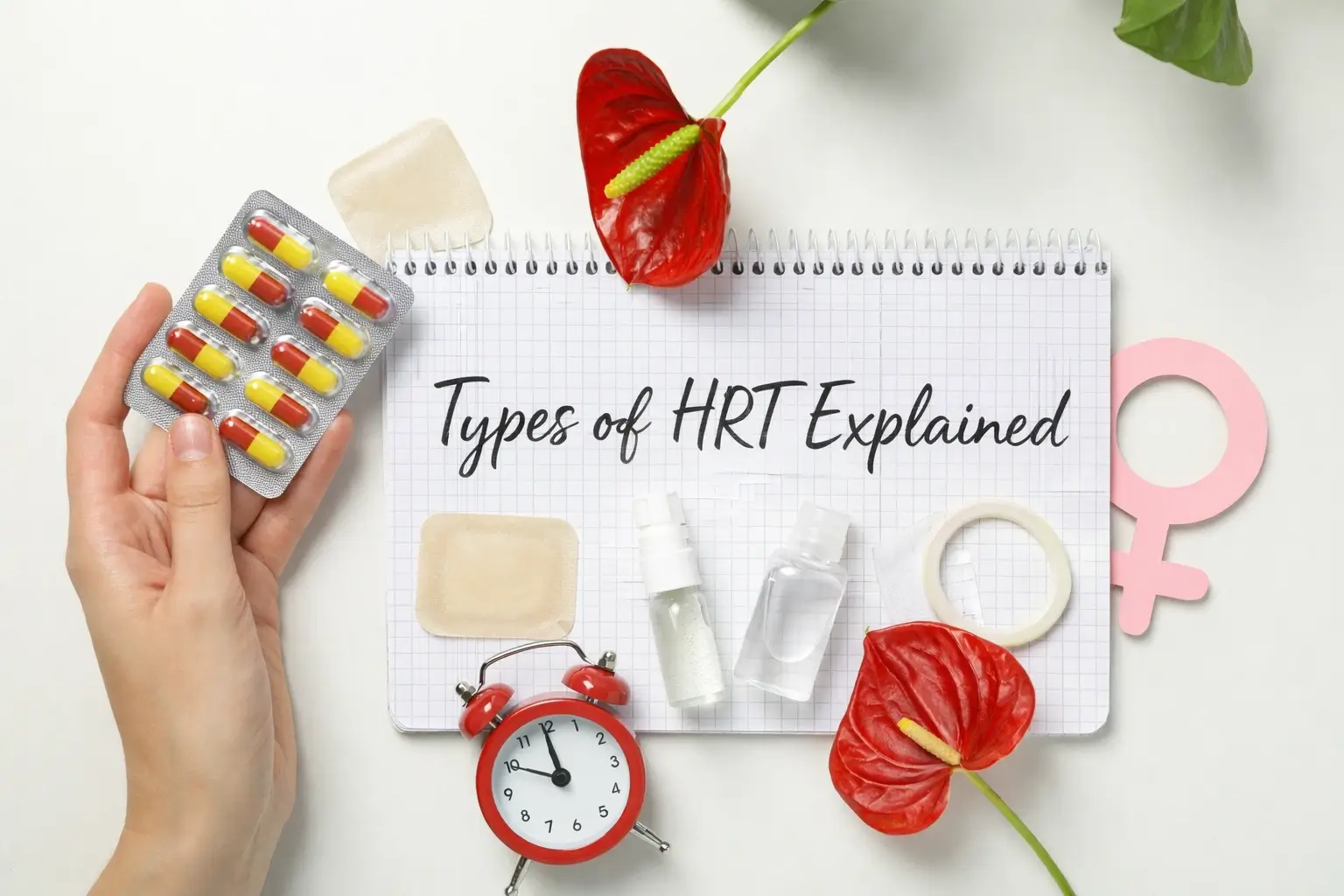
Hormone Replacement Therapy is widely considered the most effective medical approach to treating vaginal atrophy because it addresses the underlying estrogen deficiency, a recommendation supported by leading menopause health organizations worldwide. By restoring hormonal support to vaginal tissues, HRT helps improve moisture, thickness, and resilience, allowing the tissue to heal and regain comfort.
It also plays an important role in preserving the natural vaginal environment, helping beneficial bacteria thrive and protecting against irritation and infection.
As estrogen levels decline with menopause, these protective processes weaken. Blood flow reduces, tissue regeneration slows, and the vaginal lining gradually becomes thinner and drier. This structural change forms the foundation of vaginal atrophy, making tissues more sensitive and vulnerable.
When women experience vaginal atrophy and bleeding after menopause, it reflects this loss of hormonal support rather than a sudden medical problem.
Vaginal atrophy is far more common than most women realize, yet remains rarely discussed.
| Years After Menopause | Prevalence of Symptoms |
|---|---|
| 1 to 3 years | Around 40% |
| 5 to 10 years | 50–60% |
| Over 10 years | More than 60% |
Unlike many menopausal symptoms that ease over time, vaginal atrophy typically progresses if left untreated, as estrogen levels remain consistently low. This is why symptoms often become more noticeable several years after menopause rather than immediately.
Healthy vaginal tissue is naturally thick, lubricated, and quick to heal. Estrogen maintains protective layers that cushion blood vessels and prevent friction from causing injury.
With declining estrogen, the vaginal lining becomes thinner and more fragile. Lubrication decreases, increasing friction during daily movement or intimacy, while blood vessels sit closer to the surface and are more prone to minor injury. This fragile state of the vaginal lining explains why many women notice light spotting even without obvious injury. Vaginal atrophy and bleeding after menopause are closely linked because thinning tissue, reduced lubrication, and weaker blood vessels make healing slower and irritation easier. While the bleeding is often mild, it serves as an important signal that hormonal support and tissue restoration are needed.
This explains why vaginal atrophy and bleeding after menopause often occur together. The bleeding is usually mild but serves as a signal that tissues have become vulnerable. While vaginal atrophy is the most common cause, any postmenopausal bleeding should always be checked medically.
Vaginal atrophy usually develops gradually and affects multiple aspects of comfort and wellbeing.
| Symptom | Impact on Daily Life |
|---|---|
| Persistent dryness | Ongoing irritation or tightness |
| Burning or soreness | Discomfort during daily activities |
| Itching | Continuous sensitivity |
| Pain during intimacy | Emotional distress |
| Recurrent UTIs | Increased vulnerability to infections |
Over time, these symptoms can affect confidence, relationships, and quality of life if not addressed.
Hormone Replacement Therapy is widely considered the most effective medical approach to treating vaginal atrophy because it addresses the underlying estrogen deficiency. By restoring hormonal support to vaginal tissues, HRT helps improve moisture, thickness, and resilience, allowing the tissue to heal and regain comfort.
Many women experience significant relief from dryness, irritation, and bleeding within weeks to months of starting appropriate therapy. When guided by menopause specialists, HRT has a strong safety profile and is backed by decades of research.
At MIROR, the launch of India’s first HRT Center of Excellence reflects a commitment to providing personalized, evidence based menopause care in a compassionate and stigma free setting.
Although vaginal atrophy and bleeding after menopause is the most common cause of postmenopausal spotting, it is not the only possible one. Bleeding may occasionally result from uterine polyps, fibroids, or changes in the uterine lining. Rarely, it may signal more serious conditions.
Seeking timely medical evaluation ensures that the cause is clearly identified and treated appropriately, offering both safety and reassurance.
While medical treatment plays a central role, daily lifestyle choices can strongly influence comfort and healing. Staying well hydrated helps maintain tissue moisture. A balanced, nutrient rich diet supports cellular repair and hormone metabolism. Gentle intimate hygiene protects the natural vaginal environment, while regular physical activity improves pelvic circulation and tissue nourishment.
These habits, when combined with appropriate medical care, create a strong foundation for long term vaginal health.
Experiencing vaginal atrophy and bleeding after menopause can feel isolating, yet it is one of the most common hormone related changes women face during midlife. With proper diagnosis, modern treatment, and compassionate care, these symptoms can be significantly improved, allowing women to move through menopause with comfort, confidence, and renewed wellbeing.
Vaginal atrophy is not a sign of decline or loss of femininity. It is a natural biological response to hormonal transition, one that modern medicine understands and treats effectively.
Experiencing vaginal atrophy and bleeding after menopause does not mean something is wrong with you. It means your body is signaling the need for hormonal care and support.
With the right guidance, evidence based treatment, and compassionate care, menopause can become a phase of renewed comfort, strength, and confidence.
Yes. Unlike some menopausal symptoms that naturally improve, vaginal atrophy often becomes more pronounced as years pass after menopause. Without hormonal support, vaginal tissues continue to thin, lose moisture, and become more fragile, which can lead to increasing discomfort, pain during intimacy, and recurrent irritation or bleeding. Early treatment helps prevent progression and restores long-term comfort.
Postmenopausal bleeding is never something to ignore, even though vaginal atrophy is the most common cause. Any bleeding after menopause should be evaluated by a healthcare provider to rule out conditions such as uterine polyps, hormonal changes in the uterine lining, or other medical concerns. Prompt assessment ensures accurate diagnosis and peace of mind.
Many women notice reduced dryness and irritation within a few weeks of starting appropriate therapy, especially with hormone-based treatments. Tissue healing and full restoration of comfort typically continue over several months as blood flow improves and the vaginal lining thickens. Consistency and medical guidance are key to long-lasting relief.
Absolutely. Chronic discomfort, pain during intimacy, and fear of bleeding can significantly impact confidence, emotional health, and partner relationships. Many women experience anxiety, avoidance, or frustration before seeking treatment. Addressing the physical symptoms often leads to improvements in self-esteem, connection, and overall quality of life.
Non-hormonal moisturizers and lubricants can provide temporary relief from dryness and friction, especially during intimacy. However, they do not reverse tissue thinning or restore vaginal health long-term. For moderate to severe symptoms, medical treatments that address hormonal changes are typically more effective in improving comfort and preventing progression.


 ×
×