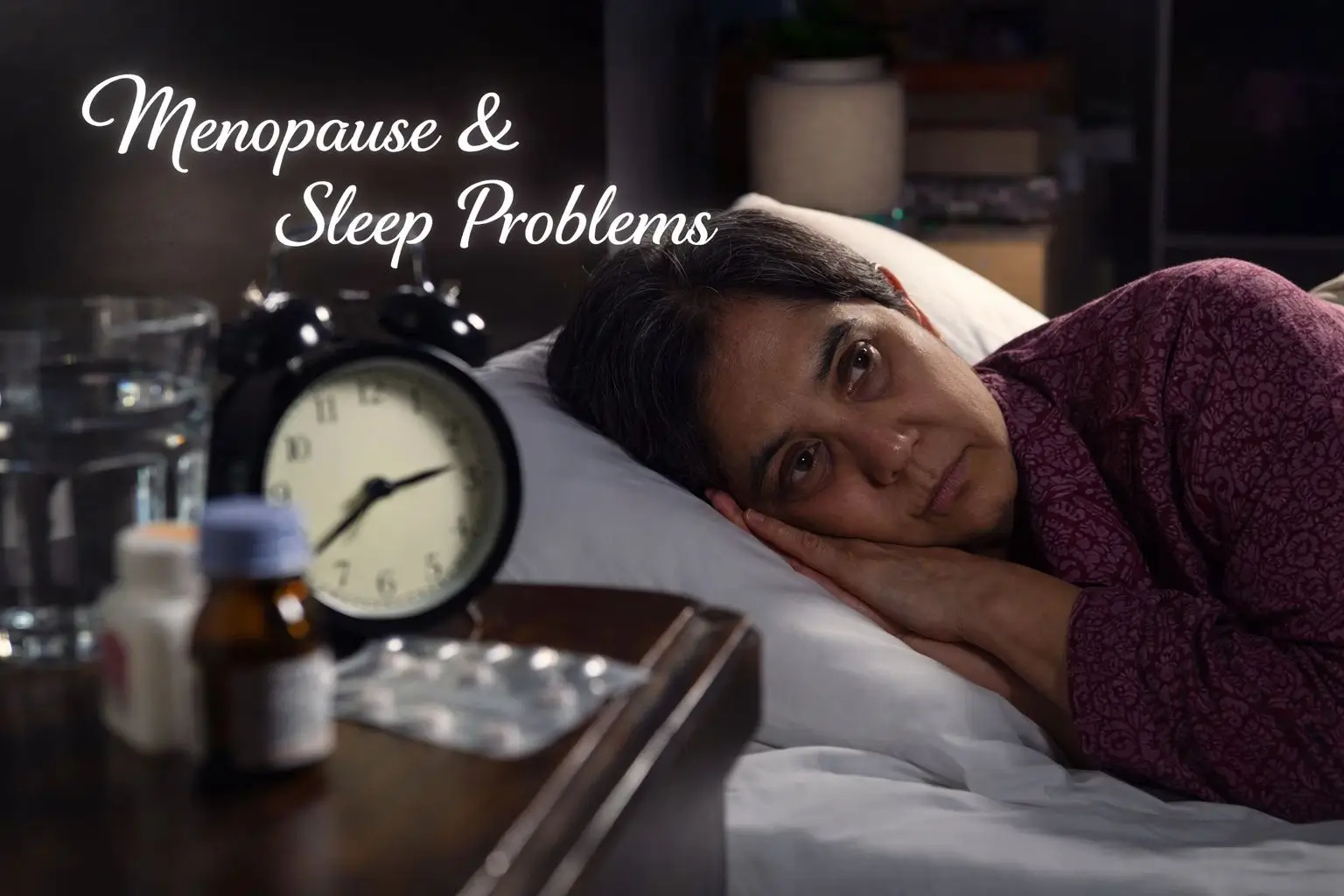

If you are experiencing sleep problems menopause brings, you are not imagining it and you are certainly not alone.
Waking up at 3 am for no reason. Tossing between anxiety and exhaustion. Feeling tired but unable to fall asleep. These quiet disruptions often begin during perimenopause and continue into menopause, leaving many women feeling confused, drained, and emotionally unsettled.
Understanding these six causes of sleep problems menopause helps women choose more effective and personalised sleep menopause remedies. Because sleep is not a luxury. It is foundational to hormonal balance, mood, metabolism, and long term health.
According to a study published in John Hopkins Medicine, nearly 40 to 60 percent of women experience sleep disturbances during menopause stages.
In India, sleep disruption often goes unreported, as women tend to normalise fatigue as part of ageing or stress. Hormonal fluctuations, nervous system sensitivity, and metabolic changes all contribute to insomnia perimenopause patterns.
Estrogen influences serotonin and melatonin, two key regulators of sleep. During perimenopause, fluctuating estrogen levels disrupt this balance, making it harder to fall asleep and stay asleep. This is one of the primary biological causes of sleep problems menopause brings.
Night sweats sleep disruption is one of the most common complaints. Sudden waves of heat, sweating, and discomfort can wake women multiple times at night. Research in The North American Menopause Society Journal confirms that thermoregulation instability directly affects sleep continuity.
Hormonal changes can make the nervous system more reactive. Even small stressors may trigger heightened cortisol levels, making the body feel alert when it should be resting. This explains why many women experience insomnia perimenopause even without obvious stress.
Metabolic changes during menopause affect glucose regulation. Low blood sugar levels at night can trigger adrenaline release, causing sudden wake ups, restlessness, or heart palpitations. This is an often overlooked contributor to sleep problems menopause patterns.
Menopause is not only physical. Mood shifts, emotional sensitivity, and unresolved thoughts often surface at night when the mind is quiet. Studies in Journal of Affective Disorders link menopause related mood changes with increased sleep disturbances.
With age and hormonal shifts, melatonin production naturally declines. Estrogen also interacts with circadian rhythm regulation. This combination can delay sleep onset, reduce deep sleep quality, and increase early morning awakenings, making sleep problems menopause more persistent over time.
| Cause | What Happens in the Body | How It Affects Sleep | What Actually Helps |
|---|---|---|---|
| Hormonal Fluctuations | Estrogen and progesterone levels become unstable | Difficulty falling asleep and staying asleep | Consistent sleep routine, magnesium support, gentle hormone balancing |
| Night Sweats | Thermoregulation becomes unstable due to estrogen decline | Frequent night waking due to overheating | Cooling bedding, breathable fabrics, lower room temperature |
| Cortisol and Anxiety | Increased nervous system sensitivity and stress response | Racing thoughts and light sleep | Deep breathing, yoga nidra, mindfulness practices |
| Blood Sugar Fluctuations | Insulin sensitivity changes during menopause | Sudden awakenings and restlessness at night | Balanced meals, protein rich dinners, avoiding late sugar intake |
| Emotional Changes | Mood swings and mental processing increase at night | Overthinking and fragmented sleep | Journaling, therapy, emotional support, relaxation rituals |
| Melatonin Decline | Natural sleep hormone production reduces with age | Delayed sleep onset and early waking | Light exposure management, sleep hygiene, supplementation if needed |
Addressing these six causes of sleep problems menopause can significantly improve sleep quality and overall wellbeing.
(NIH).
Chronic sleep disruption can influence:
• Weight gain
• Insulin resistance
• Emotional regulation
• Memory and concentration
• Cardiovascular health
Sleep is deeply interconnected with every system in the body.
(Healthline).
Going to bed and waking up at the same time stabilises circadian rhythm. Even small consistency improves sleep quality over time.
Lower room temperature, breathable fabrics, and cooling mattresses help manage night sweats sleep disturbances.
Magnesium supports relaxation and nervous system balance. Foods such as nuts, seeds, leafy greens, and supplementation under guidance may help improve sleep depth.
Eating balanced meals with protein, fibre, and healthy fats prevents night time glucose dips. Avoiding late night sugar spikes is equally important.
Practices such as:
• deep breathing
• yoga nidra
• guided relaxation
help reduce cortisol levels and prepare the body for rest.
(BM&WC).
| Stage | Sleep Challenge | What Helps Most |
|---|---|---|
| Perimenopause | Difficulty falling asleep | Stress regulation magnesium |
| Menopause | Night sweats frequent waking | Cooling strategies hormone support |
| Postmenopause | Light fragmented sleep | Strength training routine sleep hygiene |
Sleep problems menopause brings are rarely solved through a single intervention. They require layered care that supports the body through changing hormonal rhythms.
For women navigating perimenopause, targeted support such as Miror Bliss may help manage emotional fluctuations and energy dips. During menopause and postmenopause, formulations like Miror Thrive can support metabolic balance, recovery, and overall resilience. Beyond physical support, thousands of women are now finding meaningful guidance through the Miror Community, where expert sessions, doctor consultations, shared conversations, and wellness activities create a sense of understanding and belonging during this transition.
Consult a doctor if:
• insomnia persists for weeks
• sleep disruption affects daily functioning
• severe night sweats occur
• anxiety becomes overwhelming
Sleep is a medical concern, not just a lifestyle issue.
Sleep problems menopause introduces are deeply real, but they are also deeply manageable. Understanding the causes, listening to the body, and creating supportive routines can transform restless nights into restorative sleep once again.
You are not losing your ability to sleep. Your body is simply asking for a different kind of care.
Sleep problems menopause causes are largely due to hormonal fluctuations, especially declining estrogen and progesterone levels. These hormones influence sleep regulation, body temperature, and mood. As they shift, women may experience insomnia, night sweats, anxiety, and frequent waking during the night.
Yes, insomnia perimenopause is very common and often begins years before menopause. Fluctuating hormone levels can disrupt melatonin production and increase stress sensitivity, making it harder to fall asleep or stay asleep even if overall health seems normal.
Night sweats sleep disruption occurs when sudden body temperature changes wake women multiple times during the night. These episodes can prevent deep sleep cycles, leading to fatigue, irritability, and reduced daytime energy.
Effective sleep menopause remedies include maintaining a consistent sleep routine, cooling the sleep environment, stabilising blood sugar, managing stress, and supporting the body with nutrients like magnesium. A combination of lifestyle and medical support often works best.
You should consult a doctor if sleep problems menopause symptoms persist for several weeks, interfere with daily functioning, or are accompanied by severe anxiety, night sweats, or fatigue. Early guidance can help identify underlying causes and improve sleep quality.







 ×
×