
Vaginal Dryness Menopause: Causes, Treatments & What Actually Helps
Menopause is often described as a natural transition—but that doesn’t mean it’s always comfortable. One of the most common yet least openly discussed symptoms is vaginal dryness menopause brings along. For many women, it’s not just about discomfort—it can affect intimacy, confidence, and overall quality of life.
If you’ve noticed dryness, irritation, or pain during intercourse after menopause, you’re not alone. The good news? There are effective treatments, lifestyle shifts, and medical options that can make a real difference.
This guide breaks down everything you need to know about vaginal dryness menopause, including causes, symptoms, treatments, and what genuinely works.
Vaginal dryness menopause refers to the thinning, drying, and inflammation of vaginal tissues due to a drop in estrogen levels. Estrogen plays a crucial role in maintaining lubrication, elasticity, and thickness of vaginal walls.
As estrogen declines during perimenopause and menopause, the vaginal lining becomes:
This condition is medically known as vaginal atrophy or genitourinary syndrome of menopause (GSM).
The primary cause of vaginal dryness menopause is reduced estrogen production. Estrogen supports blood flow and moisture in vaginal tissues—without it, dryness becomes common.
Lower estrogen reduces circulation to the vaginal area, which impacts natural lubrication and tissue health.
Menopause alters vaginal pH, making it less acidic. This can lead to irritation, dryness, and even increased risk of infections.
While menopause is the main driver, other factors can worsen dryness:
Recognizing the symptoms early can help you seek timely support.
These symptoms may start mildly but can worsen over time if left untreated.
Vaginal dryness menopause is not just a physical issue—it can impact emotional and relational well-being.
Many women silently deal with these changes, but addressing them can significantly improve quality of life.
The good news is that vaginal dryness menopause is treatable. Options range from simple over-the-counter solutions to medical therapies.
These are used regularly (not just during intimacy) to restore moisture.
Used during sexual activity, lubricants reduce friction and discomfort.
👉 Internal resource: Menopause Wellness Guide
Low-dose estrogen applied directly to the vaginal area is one of the most effective treatments.
Forms include:
This treatment restores thickness, elasticity, and natural lubrication.
For women experiencing multiple menopause symptoms, systemic HRT may help.
However, it should be considered under medical supervision due to potential risks.
Certain medications can improve vaginal tissue health without estrogen.
Simple habits can support vaginal health:
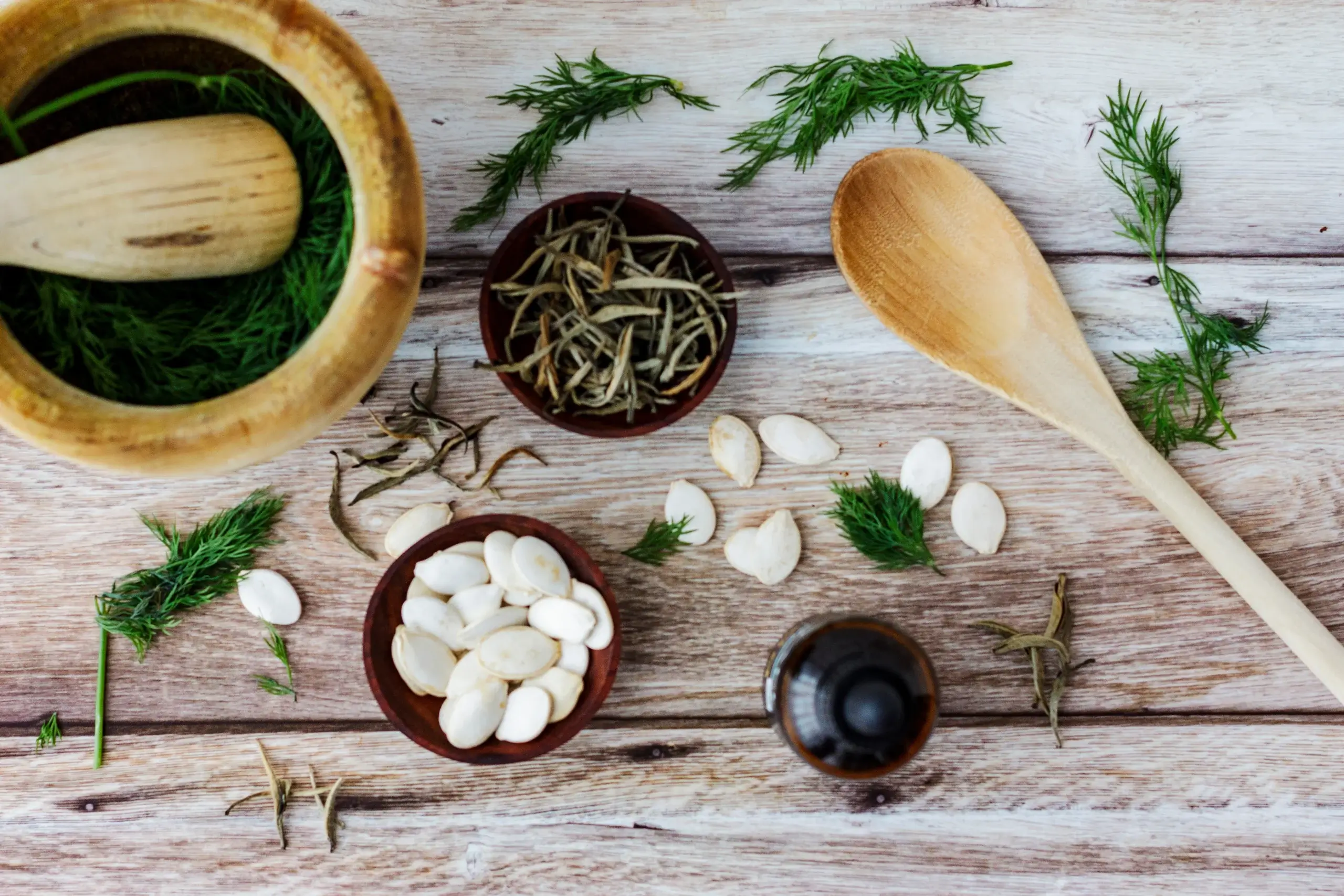
While medical treatments are effective, some women prefer natural approaches alongside them.
⚠️ Always test for sensitivity before using natural products internally.
You don’t have to “just live with it.” Seek medical advice if:
Early treatment can prevent worsening symptoms and improve long-term vaginal health.
While vaginal dryness menopause is common, certain steps can reduce severity:
Vaginal dryness menopause is more common than most conversations suggest—but it’s also highly manageable. Whether you choose over-the-counter solutions, lifestyle changes, or medical treatments, the key is not to ignore the symptoms.
Your comfort, confidence, and intimacy matter at every stage of life. With the right support and awareness, you can navigate menopause feeling informed, empowered, and in control of your body.
Yes, vaginal dryness menopause is very common due to declining estrogen levels. However, “common” doesn’t mean you have to tolerate it. Many effective treatments are available, and addressing it early can prevent discomfort from worsening over time.
In most cases, vaginal dryness menopause does not resolve naturally and may worsen if untreated. Unlike some menopause symptoms that fade, vaginal tissue changes are progressive. That’s why proactive care and treatment are important.
Lubricants help with immediate relief, especially during intimacy, but they don’t treat the underlying issue. For long-term improvement in vaginal dryness menopause, moisturizers or medical treatments like local estrogen are often more effective.
Local estrogen therapy is generally considered safe for most women when prescribed correctly. It uses a low dose applied directly to the vaginal area, minimizing systemic effects while effectively treating vaginal dryness menopause.
Yes, lifestyle plays a supportive role. Staying hydrated, maintaining sexual activity, and avoiding irritants can improve symptoms of vaginal dryness menopause, though they work best alongside medical or topical treatments.

 ×
×