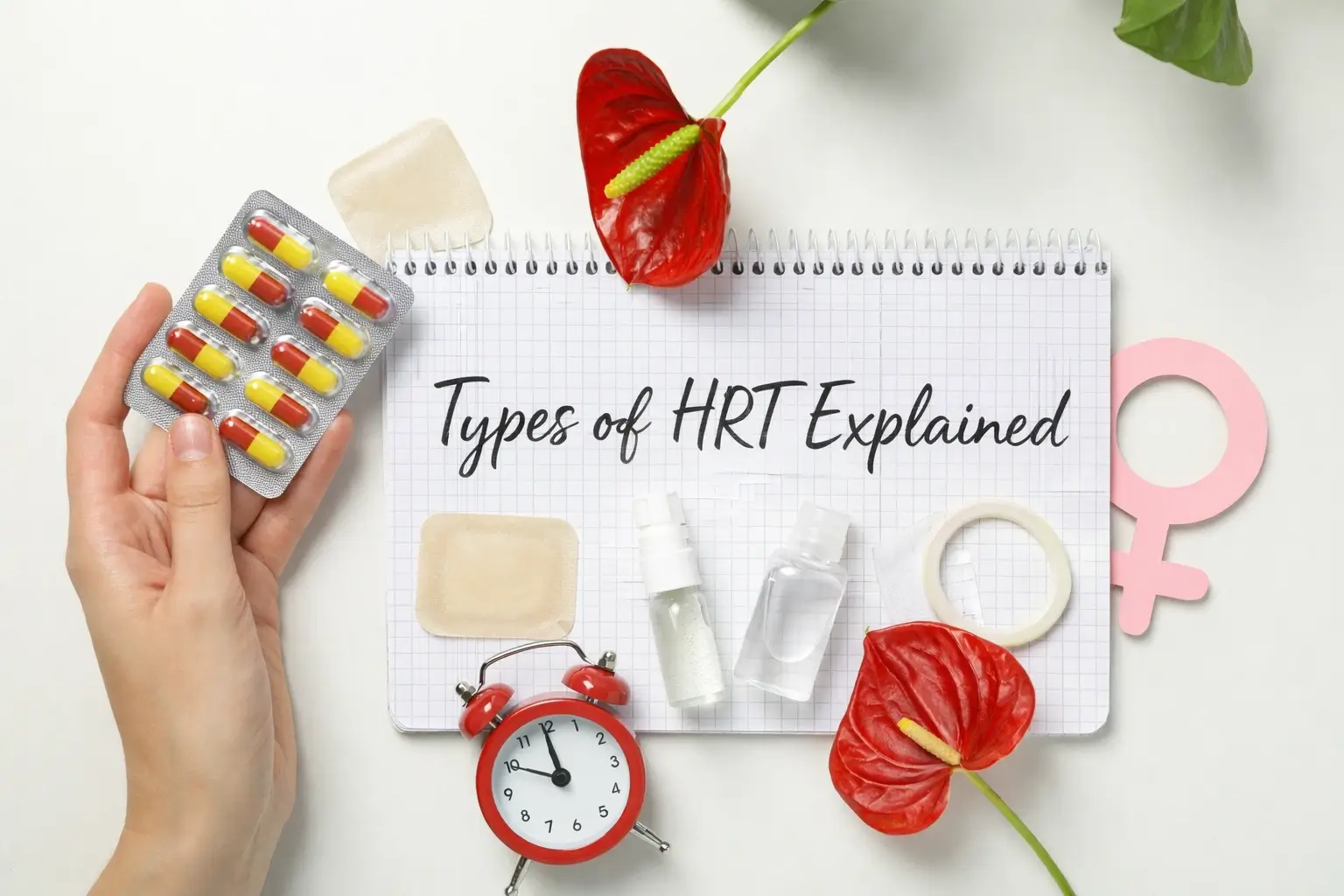


There comes a quiet, powerful moment in every woman’s life when her body begins to whisper a new truth. Periods that once arrived like clockwork start to shift, stretch, skip, or surprise.
Questions surface. Softly at first, then insistently:
At what age periods will stop?
If you’ve found yourself typing that exact phrase into a search bar at 2 a.m., know this: you are not alone, and you are not late, early, broken, or failing. You are simply human, and your body is evolving.
This guide is written by a woman, for women. It is science-backed, globally referenced, deeply compassionate, and designed to answer not just when periods stop, but why, how, and what it truly means for your health, hormones, identity, and future.
For most women worldwide, periods permanently stop between the ages of 45 and 55.
The average age of menopause is 51 years, according to large-scale population studies across North America, Europe, and Asia. Menopause is officially diagnosed when a woman has gone 12 consecutive months without a menstrual period, with no other medical cause (PubMed Central).
Key insight: This is a range, not a deadline. Your body follows its own biological rhythm.
The age at which periods stop varies across the world due to genetics, nutrition, reproductive history, stress levels, and healthcare access.
| Region | Average Age of Menopause |
|---|---|
| United States | 51 years |
| Europe | 50–52 years |
| India | 46–48 years |
| East Asia | 49–50 years |
| Global Average | ~51 years |
Takeaway: There is no single “correct” age, only your timeline (ResearchGate).
One of the most persistent myths is that periods stop overnight. In reality, menopause unfolds gradually.(LivHospital)
| Stage | What’s Happening | Typical Age Range |
|---|---|---|
| Perimenopause | Hormones fluctuate, cycles become irregular | Late 30s to mid-40s |
| Menopause | Periods stop completely (12 months) | Around 51 |
| Postmenopause | Hormones stabilize at lower levels | After menopause |
Perimenopause alone can last 4 to 10 years, which explains why many women feel confused or dismissed during this phase. (Cleveland Clinic).
Periods stop because the ovaries gradually reduce production of estrogen and progesterone.
As these hormones decline:
Ovulation becomes irregular
The uterine lining stops building predictably
Menstrual cycles shorten, lengthen, or skip
Eventually, menstruation ends completely
This is not a disease. It is a biological milestone, as natural as puberty, just far less celebrated.
Many women experience symptoms long before their final period. Recognising these signs early can be empowering.
Common signals include:
Irregular or missed periods
Heavier or lighter menstrual flow
Hot flashes or night sweats
Mood changes or anxiety
Sleep disturbances
Brain fog or memory lapses
Vaginal dryness
Decreased libido
Weight redistribution, especially around the abdomen
If several of these occur together, your body may be entering perimenopause, even if periods continue (Evvy).
Early menopause (before 40) affects about 1% of women globally and may be linked to genetics, autoimmune conditions, cancer treatments, or ovarian surgery.
Premature Ovarian Insufficiency (POI) is not menopause, but it can cause periods to stop early and requires medical evaluation.
Late menopause (after 55) is often genetic and may slightly increase lifetime estrogen exposure, with both protective and risk-related implications (NHS).
Important: Sudden or very early period stoppage deserves medical clarity, not panic.
Research shows lifestyle choices can influence when periods stop and how the transition feels.
Factors linked to earlier menopause:
Smoking (strongest modifiable factor)
Chronic stress
Poor nutrition
Extreme dieting
Certain medical treatments
Factors associated with later menopause:
Regular physical activity
Balanced nutrition
Healthy body fat levels
Longer reproductive years
Genetic predisposition
You may not control the timing—but you can deeply influence how supported your body feels (The Menopause Charity).
| Truth | What It Means for You |
|---|---|
| 1 | Most women stop periods between 45–55 |
| 2 | Geography and genetics matter |
| 3 | Menopause is gradual, not sudden |
| 4 | Hormones—not age alone—drive the change |
| 5 | Symptoms appear years in advance |
| 6 | Early or late menopause needs context |
| 7 | Lifestyle shapes the experience |
When menstruation ends, the body does not shut down, it recalibrates.
Estrogen remains low but stable
Bone density becomes a priority
Heart health deserves focused attention
Metabolism may slow
Vaginal and urinary tissues may become more sensitive
Postmenopausal care is not optional; it is essential. Menopause is not the end of vitality; it is the beginning of intentional, informed self-care. (Mayo Clinic).
Instead of only asking at what age periods will stop, we invite a more powerful question:
How do I want to feel when they do?
Because menopause is not about loss, it is about liberation with literacy.
Your body is not betraying you. It is transitioning.
And you deserve to understand it, support it, and honour it.
At Miror, we recognize that while Hormone Replacement Therapy (HRT) has been studied and practiced for decades in Western medicine, it remains under-discussed, misunderstood, and under-accessed in India. This gap is especially significant because many Indian women experience menopause earlier, yet are left navigating hormonal changes without localised expertise or structured support. That is why Miror is pioneering India’s first HRT Centre of Excellence—a first-of-its-kind initiative designed to bring science, safety, and compassion together under one roof.
This centre will offer comprehensive hormone care, including advanced diagnostics, personalised HRT plans, and consultations with gynecologists, endocrinologists, and nutrition experts, alongside continued follow-ups and emotional support. With Miror leading the way, hormone health in India is no longer an afterthought, it is becoming informed, accessible, and empowered by design.
There is no prize for early menopause.
There is no failure in late menopause.
There is only your endocrine rhythm shaped by biology, environment, and life itself.
Periods usually stop between 45 and 55, but the real transformation is not the absence of bleeding. It is the emergence of a woman who knows her body deeply, asks better questions, and refuses to shrink with age.
At Miror, we believe menopause education is not optional, it is foundational women’s healthcare.
Periods usually stop permanently between the ages of 45 and 55, with the average age of menopause being 51 years. Menopause is confirmed after 12 consecutive months without a period, provided there is no other medical cause.
Yes. Periods can stop earlier due to early menopause (before 45) or premature menopause (before 40). Causes may include genetics, autoimmune conditions, cancer treatments, ovarian surgery, or certain medical conditions. Any early stoppage should be evaluated by a doctor.
During perimenopause, periods can stop for several months and then return. This is normal and caused by fluctuating estrogen and progesterone levels. However, once menopause is reached (12 months without a period), menstruation does not return naturally.
Early signs include irregular cycles, skipped periods, heavier or lighter bleeding, hot flashes, night sweats, mood changes, sleep issues, and brain fog. These symptoms often begin years before the final period.
After periods become irregular, menopause may occur anywhere between 4 and 10 years later. This phase is called perimenopause, and its length varies based on genetics, lifestyle, and overall health.


 ×
×