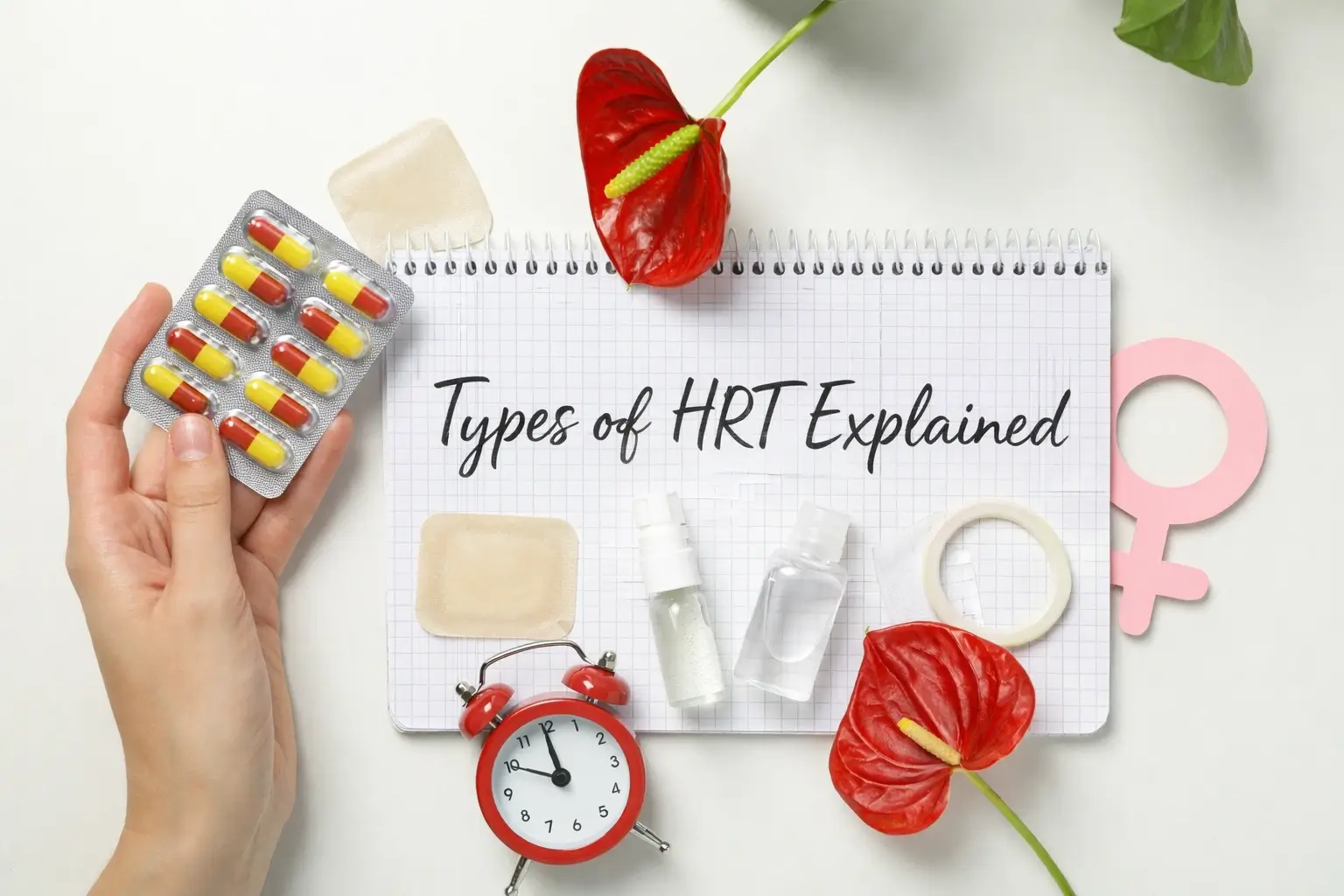


Women do not search for estradiol casually.
They search because something in their body feels unfamiliar. Sleep is fractured. Heat rises without warning. Intimacy feels uncomfortable. Focus feels harder. Or a prescription has been placed in their hand and they want to understand it before they begin.
That instinct deserves respect.
Estradiol is not a trend hormone. It is a core biological signal that shapes how women feel, function, and age. When used thoughtfully, in the right form and at the right dose, estradiol can restore quality of life and protect long-term health. When used without context, it can feel confusing or even frightening.
This guide is written for women who want both clarity and evidence. It is grounded in international science, Indian clinical practice, and modern menopause medicine. Clear enough to read without overwhelm. Nuanced enough to trust.
Estradiol, often called E2, is the most potent and biologically active estrogen in the human body. Before menopause, it is produced mainly by the ovaries. After menopause, only small amounts are made by fat tissue and the adrenal glands.
Estradiol does not work in isolation. It communicates with the brain, bones, heart, skin, muscles, and the urogenital system at the same time.
This is why estrogen decline feels systemic rather than local.
When estradiol is prescribed as medication, the goal is not cosmetic youthfulness. The goal is physiological support during a period of real hormonal change.
(News-Medical).
Clinicians prescribe estradiol for clearly defined medical reasons. Each use has a different purpose, formulation, and safety profile.
Estradiol therapy is the most effective treatment for moderate to severe vasomotor symptoms such as hot flashes and night sweats.
These symptoms often begin during perimenopause, sometimes years before periods stop. Hormone levels fluctuate unpredictably during this phase, affecting sleep, mood, memory, and stress tolerance.
According to position statements from The North American Menopause Society, estrogen therapy remains the gold standard for symptom relief when no contraindications exist.
Who benefits most
Women with hot flashes disrupting sleep or daily life
Women in early or surgical menopause
Women with significant quality of life decline
Common systemic forms
Transdermal estradiol patches
Oral estradiol tablets
Estradiol gels or sprays
Doctors aim for the lowest effective dose with regular reassessment.
(PubMed Central).
Genitourinary syndrome of menopause is common and under-treated. It includes vaginal dryness, burning, pain during sex, urinary urgency, and recurrent discomfort.
When symptoms are local, vaginal estradiol is usually preferred over systemic therapy.
Local options
Low-dose vaginal tablets or inserts
Estradiol creams
Vaginal estradiol rings
Clinical trials show significant symptom improvement with minimal systemic absorption at low doses. This distinction is critical for safety and peace of mind.
(PubMed Central).
Some women experience estrogen deficiency due to medical causes such as primary ovarian insufficiency, surgical removal of ovaries, or certain endocrine disorders.
In younger women, estradiol is protective rather than optional.
It supports bone density, cardiovascular health, urogenital tissues, and metabolic stability. Treatment is closely monitored and individualised.
(ScienceDirect).
Estrogen plays a central role in bone remodelling. After menopause, bone loss accelerates.
Estradiol therapy has been shown to reduce fracture risk and prevent bone loss in appropriately selected women. However, most guidelines recommend it primarily when other osteoporosis treatments are unsuitable and when overall benefit outweighs risk.
This decision is never automatic. It requires clinical judgement.
(PubMed Central).
In assisted reproductive treatments, estradiol is used to prepare the uterine lining for implantation.
It is commonly prescribed in frozen embryo transfer cycles and donor egg protocols. Dosing and duration are protocol-specific and guided by ultrasound and hormone monitoring.
(Vida).
Estradiol is a cornerstone of feminising hormone therapy for transfeminine and gender-diverse individuals.
International standards emphasise shared decision-making, appropriate dosing, and long-term follow-up to support both physical and emotional wellbeing.
(PubMed Central).
| Feature | Systemic Estradiol | Vaginal Estradiol |
|---|---|---|
| Primary goal | Whole-body symptom relief | Local tissue health |
| Common uses | Hot flashes, hypoestrogenism | Dryness, painful intercourse |
| Absorption | Circulates throughout body | Minimal systemic absorption |
| Progestogen needed | Yes if uterus present | Usually not required |
Understanding this difference prevents unnecessary fear and improves treatment choices.
Women with a uterus using systemic estradiol usually need a progestogen. Unopposed estrogen increases endometrial cancer risk. This principle is well established in global guidelines.
Transdermal estradiol is often preferred in women with migraine, metabolic risk, or clotting concerns because it avoids first-pass liver metabolism.
Estrogen-sensitive cancers
Unexplained vaginal bleeding
Active clotting disorders
Severe liver disease
Pregnancy
A thorough medical history is essential.
Large analyses including data from the Women’s Health Initiative and subsequent re-evaluations show that age, timing, dose, and formulation profoundly influence risk.
Younger women closer to menopause often experience a more favourable benefit-risk profile than women starting therapy later.
Guidelines from World Health Organization and Indian menopause societies emphasise individualised care rather than blanket rules.
Good prescribing is not based on hormone numbers alone.
Clinicians consider:
Age and life stage
Symptom severity
Uterine status
Medical and family history
Cardiovascular and metabolic risk
Personal preferences
The goal is not to normalise a lab value. It is to support comfort, function, and long-term health.
Estradiol is not a lifestyle hormone. It is a foundational endocrine signal.
When used with intention and evidence, it can ease one of the most significant biological transitions in a woman’s life. When used without context, it can feel overwhelming or misunderstood.
You deserve medicine that lives between fear and blind reassurance. You deserve care that respects both science and lived experience.
At Miror, we believe informed women make powerful decisions. And powerful decisions change lives.
Estradiol is prescribed for several evidence-based medical indications. The most common uses include relief of menopausal vasomotor symptoms such as hot flashes and night sweats, treatment of genitourinary syndrome of menopause including vaginal dryness and painful intercourse, management of hypoestrogenism due to ovarian insufficiency or surgical menopause, prevention of postmenopausal bone loss in select cases, and endometrial preparation in fertility treatments. The choice to prescribe estradiol is always guided by symptoms, life stage, medical history, and individual risk assessment rather than age alone.
Estradiol is most commonly associated with menopause care, but hormonally driven symptoms can begin earlier, sometimes from the mid to late 30s. During this phase, estradiol levels often fluctuate rather than steadily decline, which can contribute to sleep disruption, mood changes, cycle irregularity, and reduced stress tolerance. In carefully selected cases, clinicians may consider estradiol as part of a broader treatment plan, particularly for women with early menopause, surgical menopause, or clinically significant hypoestrogenism. Use in this age group requires thoughtful evaluation and is never routine or automatic.
Systemic estradiol circulates throughout the body and is used to treat whole-body symptoms such as hot flashes, night sweats, and broader menopausal symptoms. It is available in forms such as oral tablets, transdermal patches, gels, and sprays. Vaginal estradiol, on the other hand, is designed to act locally on vaginal and urinary tissues and is primarily used for genitourinary symptoms like dryness, discomfort, and painful intercourse. Low-dose vaginal estradiol typically results in minimal systemic absorption and is not equivalent to systemic hormone therapy. The distinction between these two forms is central to safe and appropriate prescribing.
Estradiol therapy is not risk-free, but risks vary based on dose, route of administration, duration of use, and individual health factors. In women with a uterus, systemic estradiol is usually paired with a progestogen to protect against endometrial hyperplasia and cancer. Route also matters; transdermal estradiol may be preferred in certain cardiovascular or metabolic risk profiles. Clinicians reduce risk by using the lowest effective dose, reassessing regularly, screening for contraindications, and tailoring therapy to each woman’s medical history rather than applying one-size-fits-all protocols.
Estradiol prescribing is a clinical decision, not a numerical one. Doctors evaluate age and reproductive stage, symptom pattern and severity, uterine status, personal and family medical history, concurrent medications, and individual risk factors such as clotting history or estrogen-sensitive conditions. Blood tests may support decision-making in certain contexts, but they are never the sole determinant. The goal of estradiol therapy is not to normalise a hormone level but to support comfort, function, and long-term health in a way that aligns with each woman’s physiology and priorities.




 ×
×