

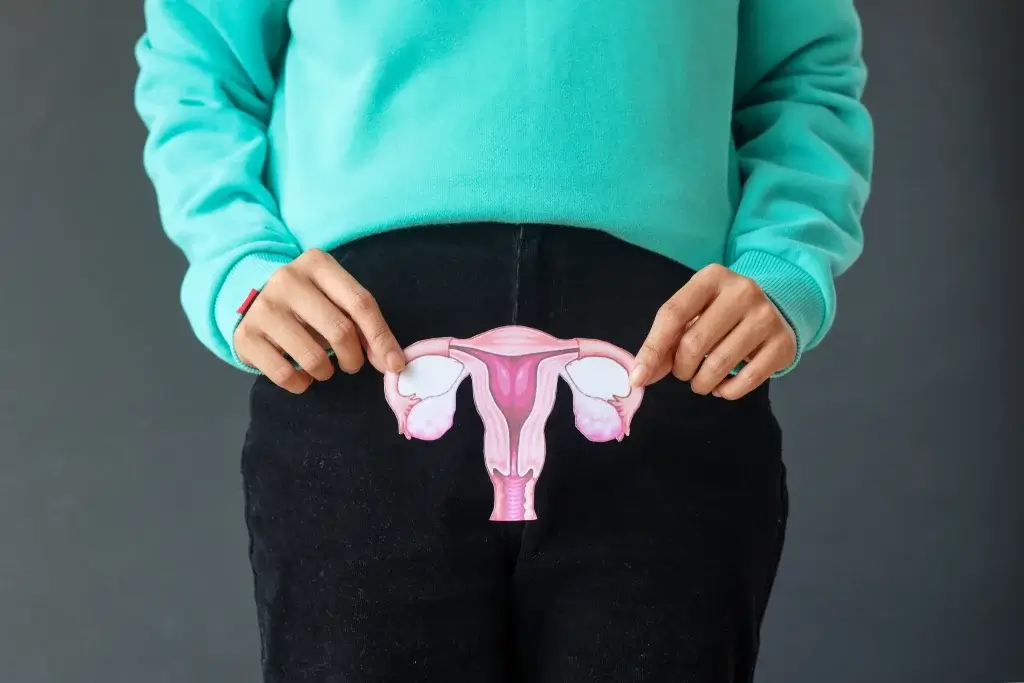
If you’ve ever been told that your fatigue, mood swings, bloating, stubborn weight gain, heavy periods, or anxiety are “just part of being a woman,” you’re not alone.
For decades, women have been taught to accept hormonal symptoms as normal. But what if many of these symptoms share a common thread that few women—and even some healthcare providers—talk about openly?
The answer may lie in estrogen dominance.
Despite the name, estrogen dominance doesn’t always mean you have too much estrogen. In many cases, it means that estrogen’s effects outweigh those of progesterone, creating a hormonal imbalance that can affect everything from your menstrual cycle to your mood and metabolism. While the term itself remains debated in conventional medicine, the concept of estrogen-progesterone imbalance has become an increasingly important topic in women’s health.
Let’s explore what estrogen dominance really means, why it happens, and what every woman should know.
What Is Estrogen Dominance?
Estrogen dominance is commonly used to describe a state where estrogen activity is relatively higher than progesterone activity in the body.
Here’s where many women get confused: you can experience estrogen dominance even if your estrogen levels are technically within the normal range. The issue is often the relationship between estrogen and progesterone rather than estrogen alone.
Think of estrogen and progesterone as dance partners.
Estrogen stimulates growth and activity in many tissues, while progesterone helps balance and regulate those effects. When progesterone drops or estrogen becomes relatively more influential, symptoms may begin to appear.
Why Have So Few Women Heard About It?
One reason is that estrogen dominance is not officially recognized as a standalone medical diagnosis in mainstream endocrinology. However, many clinicians acknowledge that fluctuations in estrogen and progesterone can contribute to symptoms and health conditions.
This creates an interesting contradiction:
Women experience real symptoms.
Hormones clearly influence those symptoms.
Yet the language used to describe the imbalance remains controversial.
As awareness around hormonal health grows, more women are asking questions that previous generations never did.
The Role of Estrogen in Women’s Health
Before discussing imbalance, it’s important to understand why estrogen is essential.
Estrogen plays a vital role in:
- Reproductive health
- Menstrual cycle regulation
- Bone strength
- Brain function
- Heart health
- Skin elasticity
- Metabolism
- Mood regulation
In fact, estrogen is one of the most important hormones in the female body and contributes to health throughout a woman’s lifespan.
The goal is not to “lower estrogen.”
The goal is healthy hormonal balance.
Common Symptoms of Estrogen Dominance
Menstrual Changes
Many women first notice symptoms through their menstrual cycle.
Possible signs include:
- Heavy periods
- Painful periods
- Irregular cycles
- Spotting between periods
- Worsening PMS
- Blood clots during menstruation
These symptoms may occur because estrogen stimulates growth of the uterine lining, while progesterone helps regulate it.
Emotional and Cognitive Symptoms
Hormones influence neurotransmitters and brain chemistry.
Women often report:
- Mood swings
- Irritability
- Anxiety
- Feeling overwhelmed
- Brain fog
- Difficulty concentrating
- Sleep disturbances
Physical Symptoms
Other commonly reported symptoms include:
- Breast tenderness
- Bloating
- Water retention
- Headaches
- Weight gain
- Fat accumulation around hips and thighs
- Fatigue
While these symptoms do not automatically mean estrogen dominance, they often prompt further hormonal investigation.
What Causes Estrogen Dominance?
There is rarely one single cause.
Instead, estrogen dominance often develops through a combination of lifestyle, metabolic, and hormonal factors.
Perimenopause
Perimenopause is one of the biggest contributors.
During this transition, progesterone production often declines before estrogen consistently falls. This can create periods where estrogen appears relatively dominant.
Chronic Stress
Stress affects hormone production in multiple ways.
When the body prioritizes stress hormones, progesterone production may be impacted, potentially altering hormonal balance.
Excess Body Fat
Fat tissue isn’t just storage tissue.
It actively produces estrogen through an enzyme called aromatase. Increased body fat can therefore contribute to higher estrogen exposure.
Insulin Resistance
Emerging research shows that insulin resistance may influence estrogen metabolism and hormone regulation. Women with metabolic dysfunction often experience overlapping hormonal symptoms.
Environmental Estrogen Exposure
Certain environmental compounds may behave similarly to estrogen in the body.
These include:
- Some plastics
- Industrial chemicals
- Certain pesticides
- Personal care products containing endocrine-disrupting compounds
Research in this area continues to evolve, but many experts believe environmental exposure deserves greater attention.
Conditions Often Linked to Estrogen Dominance
Although estrogen dominance is not a formal diagnosis, hormonal imbalances involving estrogen are frequently discussed alongside:
- Fibroids
- Endometriosis
- Polycystic Ovary Syndrome (PCOS)
- Premenstrual Syndrome (PMS)
- Perimenopause
- Irregular menstrual cycles
Researchers continue to investigate how estrogen influences these conditions.
Can You Test for Estrogen Dominance?
This is where things become complicated.
A single hormone test rarely provides the full picture.
Hormone levels fluctuate throughout the menstrual cycle, meaning one blood test may not accurately represent long-term hormonal patterns.
Healthcare providers may evaluate:
- Estradiol levels
- Progesterone levels
- Menstrual history
- Symptoms
- Thyroid health
- Metabolic markers
- Insulin resistance indicators
A comprehensive assessment is often more valuable than focusing on a single hormone number.
How to Support Healthy Estrogen Balance
Prioritize Strength Training and Movement
Regular exercise may support healthy estrogen metabolism and improve insulin sensitivity.
Eat More Fiber
Fiber helps support healthy hormone elimination through the digestive system.
Good sources include:
- Vegetables
- Fruits
- Legumes
- Whole grains
- Seeds
Include Cruciferous Vegetables
Broccoli, cauliflower, cabbage, kale, and Brussels sprouts contain compounds that may support estrogen metabolism.
Manage Stress
Stress management is often overlooked in hormonal health.
Helpful strategies include:
- Meditation
- Walking
- Yoga
- Breathwork
- Adequate sleep
Support Metabolic Health
Improving insulin sensitivity through nutrition, exercise, and weight management may positively influence hormone balance.
The Biggest Myth About Estrogen Dominance
The biggest misconception is that estrogen is the enemy.
It isn’t.
Estrogen is essential for women’s health.
Problems arise when hormonal relationships become imbalanced, not because estrogen itself is inherently harmful.
Unfortunately, social media often promotes oversimplified solutions that encourage women to fear their hormones rather than understand them.
The real goal should always be balance, not elimination.
When Should You Talk to a Doctor?
Consider seeking professional guidance if you experience:
- Heavy menstrual bleeding
- Severe PMS
- Persistent fatigue
- Unexplained weight gain
- Significant mood changes
- Irregular periods
- Chronic pelvic pain
These symptoms deserve proper evaluation and should not be dismissed as something you simply have to tolerate.
Estrogen dominance may be one of the most discussed yet misunderstood topics in women’s hormonal health.
While the term itself remains debated, the conversation it has sparked is valuable. Women are increasingly recognizing that symptoms like heavy periods, mood swings, fatigue, and stubborn weight gain are not random events. They are often signals that the body’s hormonal systems deserve closer attention.
Understanding estrogen, progesterone, and the delicate balance between them can help women make more informed decisions about their health.
The future of women’s healthcare isn’t about fearing hormones. It’s about understanding them.
FAQs
Not exactly. Estrogen dominance is not officially recognized as a standalone diagnosis in conventional medicine. However, many healthcare professionals acknowledge that an imbalance between estrogen and progesterone can contribute to symptoms such as heavy periods, PMS, and mood changes. The debate is often about terminology rather than the underlying hormonal patterns.
Yes. Many women with symptoms have estrogen levels that fall within the normal range. Estrogen dominance often refers to estrogen being relatively higher than progesterone rather than estrogen being excessively high on its own. This is why hormone balance matters more than a single lab value.
Hormonal imbalances can contribute to weight changes, especially when combined with insulin resistance, stress, poor sleep, and reduced physical activity. While estrogen dominance alone may not directly cause weight gain, many women with hormonal imbalance report difficulty losing weight and increased fat storage.
A diet rich in fiber, vegetables, fruits, legumes, and cruciferous vegetables may help support healthy estrogen metabolism. Foods such as broccoli, cauliflower, kale, and Brussels sprouts are frequently studied for their role in hormone metabolism and overall women's health.
Yes. During perimenopause, progesterone often declines before estrogen levels consistently fall. This can create periods where estrogen has a stronger influence relative to progesterone, leading to symptoms such as heavy periods, breast tenderness, mood swings, and bloating.