
Many women assume heavy periods are simply something they have to live with. Yet one of the most common conversations I have in practice begins with a woman telling me she is exhausted, experiencing intense periods, and wondering if this is really normal.
Heavy periods can affect far more than the few days of bleeding each month. They can influence energy levels, mood, concentration, exercise capacity, and overall quality of life. For some women, ongoing heavy menstrual bleeding may also contribute to iron deficiency, creating a cycle of fatigue that often goes unnoticed.
While there are many possible reasons for heavy periods, hormonal balance is an important piece of the puzzle. One hormone that deserves particular attention is progesterone.
Understanding how hormones, nutrition, and lifestyle factors interact can help women make informed choices that support both menstrual cycle health and long-term wellbeing.
What Are Heavy Periods?
Heavy periods, medically referred to as heavy menstrual bleeding, describe menstrual bleeding that is excessive enough to interfere with a woman’s physical, emotional, social, or professional life.
Common signs include:
– Bleeding that lasts longer than seven days
– Soaking through pads or tampons very frequently
– Passing large blood clots
– Needing to change menstrual products during the night
– Feeling exhausted during or after menstruation
– Avoiding work, exercise, or social activities because of bleeding
Heavy periods are not only about the volume of blood loss. The impact on daily life matters too.
What Causes Heavy Periods?
Heavy periods can occur for a variety of reasons, and in many cases there may be more than one contributing factor.
Common causes include:
– Hormonal imbalances
– Uterine fibroids
– Uterine polyps
– Thyroid dysfunction
– Perimenopause-related hormone fluctuations
– Chronic stress
– Nutritional imbalances
Because heavy menstrual bleeding can sometimes signal an underlying health issue, persistent symptoms should always be properly evaluated by a healthcare professional.
The Progesterone Deficiency Connection
Progesterone plays an important role in menstrual cycle health.
During the first half of the cycle, estrogen helps build the uterine lining. After ovulation, progesterone rises and helps stabilize and prepare that lining.
These hormones are designed to work together.
When progesterone levels are relatively low compared to estrogen, the balance between these hormones may shift. In some women, this can contribute to excessive growth of the uterine lining before menstruation occurs.
As a result, there may be more tissue to shed during the menstrual period, potentially contributing to heavier bleeding.
It is important to understand that progesterone deficiency is not the only cause of heavy periods. Not every woman with heavy menstrual bleeding has low progesterone, and not every woman with lower progesterone experiences heavy bleeding.
In my experience supporting women with hormonal concerns, one of the most valuable shifts occurs when women begin viewing their hormones as part of a larger interconnected system that includes nutrition, sleep, stress management, movement, and metabolic health.
A root-cause approach looks beyond symptoms alone and considers the broader factors influencing hormone balance.
Why Nutrition Matters for Heavy Periods
Nutrition influences many of the systems involved in hormone production and regulation.
Food provides the raw materials needed for healthy hormonal function and supports several processes that can affect menstrual wellness.
These include:
1.Hormone Production
Adequate protein, healthy fats, vitamins, and minerals help provide the building blocks needed for hormone synthesis.
2. Blood Sugar Balance
Stable blood sugar levels support healthy hormonal signaling and may help reduce unnecessary stress on the body.
3. Inflammation
A nutrient-dense diet rich in whole foods may help support healthy inflammatory balance.
4. Liver Function
The liver plays a role in hormone metabolism and clearance. Supporting liver health through nutrition is often overlooked.
5. Stress Resilience
Nutrients such as magnesium, zinc, and B vitamins are involved in the body’s stress response systems.
One of the most common patterns I see in practice is women focusing solely on symptoms while overlooking the powerful influence of everyday nutrition habits.
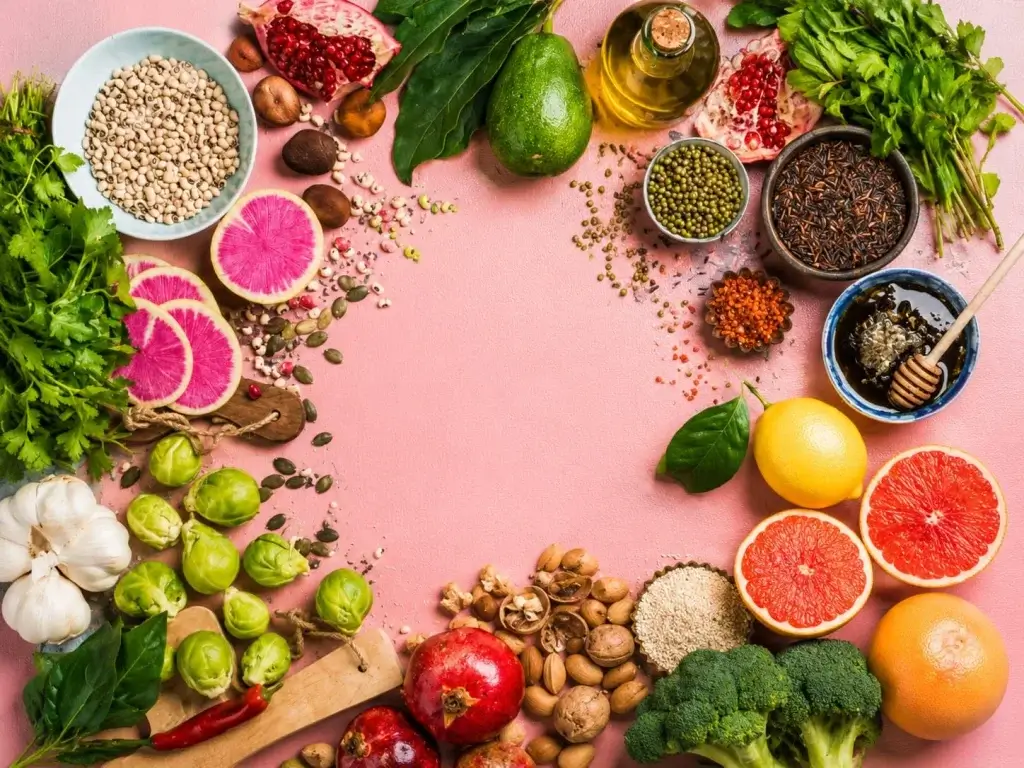
Foods That Support Hormonal Balance
Protein-Rich Foods
Protein is one of the most important nutrients for hormone balance, blood sugar regulation, and overall health.
Include foods such as:
– Eggs
– Fish
– Chicken
– Greek yogurt
– Tofu
– Tempeh
– Lentils
– Beans
Many women I work with are surprised to discover how little protein they consume throughout the day.
Fiber-Rich Foods
Fiber supports digestive health and healthy hormone metabolism.
Focus on:
– Vegetables
– Fruits
– Legumes
– Whole grains
– Seeds
Healthy Fats
Hormones require adequate dietary fat.
Good options include:
– Avocados
– coconuts
– Nuts
– Seeds
– Olive oil
– Fatty fish
Magnesium-Rich Foods
Magnesium supports stress resilience and overall wellbeing.
Sources include:
– Pumpkin seeds
– Spinach
– Almonds
– Legumes
– Dark leafy greens
Zinc-Rich Foods
Zinc plays a role in reproductive health and hormone regulation.
Include:
– Pumpkin seeds
– Chickpeas
– Seafood
– Lean meats
Anti-Inflammatory Foods
Colourful plant foods provide antioxidants that support overall health.
Examples include:
– Berries
– Leafy greens
– Ginger
– Turmeric
– Green tea
Iron-Rich Foods
Because heavy periods can increase iron losses, iron is an important nutrient for menstrual wellness and energy levels.
Sources include:
– Lean meats
– Lentils
– Beans
– Dark leafy greens
– Pumpkin seeds
Pairing iron-rich foods with vitamin C-rich foods such as citrus fruits, berries, kiwi, or capsicum may help support iron absorption.
Seed Cycling and Cycle Nutrition
Some women enjoy cycle-syncing approaches as a way to become more intentional about their nutrition throughout the month.
While scientific evidence for seed cycling remains limited, many women find these practices helpful for increasing awareness of their menstrual patterns and overall dietary habits.
Cycle syncing is best viewed as a supportive wellness strategy rather than a treatment for hormonal imbalance.
Foods and Habits That May Work Against Hormonal Balance
Certain lifestyle patterns can place additional stress on the body and make hormone regulation more challenging.
These include:
– Excess ultra-processed foods
– High sugar intake
– Chronic dieting
– Skipping meals regularly
– Poor sleep quality
– Excess alcohol consumption
– Ongoing stress
The goal is not perfection. Small, sustainable changes often have the greatest long-term impact.
What I Commonly See in Practice
Many women with heavy periods have spent years believing their symptoms are simply normal.
I frequently see women struggling with:
– Unrecognized iron deficiency
– Chronic fatigue
– Under-eating protein
– Poor blood sugar balance
– High stress levels
– Inadequate sleep
Often, heavy periods are only one piece of a larger picture involving nutrition, stress, energy, and hormonal health.
When these foundational factors are addressed, women often feel more empowered to understand their bodies and make informed decisions about their health.
Supporting Hormonal Health Starts With Understanding the Bigger Picture
Heavy periods should not always be dismissed as normal, especially when they affect energy levels, wellbeing, or quality of life.
While progesterone deficiency may be one factor associated with heavy menstrual bleeding, hormone balance is influenced by many interconnected systems including nutrition, stress, sleep, metabolic health, and nutrient status.
A food-first approach provides the foundation for menstrual wellness. However, in practice, nutrition alone may not always be enough to address individual nutrient needs or support specific hormonal concerns.
This is where targeted supplementation, when used appropriately and personalized to the individual, can be a valuable addition to a comprehensive wellness plan. Alongside nutrition and lifestyle strategies, the right supplements may help support nutrient status, hormonal balance, energy levels, and overall wellbeing.
Most importantly, personalized support matters. Understanding the factors contributing to heavy periods can help women make informed choices that support both menstrual health and long-term wellbeing.
Looking for more guidance? Download the MIROR app for expert-led education, practical wellness tools, and ongoing support designed to help women better understand and support their hormonal health.
FAQs
Heavy periods themselves do not directly cause weight gain. However, some of the hormonal changes associated with underlying conditions may contribute to bloating, water retention, or changes in appetite.
Stress can influence hormone regulation and menstrual cycle function. In some women, chronic stress may contribute to changes in cycle length, symptoms, or menstrual flow.
Yes. Hormonal fluctuations during perimenopause can contribute to heavier, lighter, longer, shorter, or more irregular periods. Many women notice significant changes in their bleeding patterns during this transition.
Common signs include fatigue, dizziness, poor concentration, weakness, brain fog, and reduced exercise tolerance. Blood testing is the most reliable way to assess iron status.
Research on cycle-aware nutrition is still evolving. While some women find cycle syncing helpful for building awareness around nutrition and menstrual health, it should be viewed as a supportive wellness practice rather than a proven treatment.