
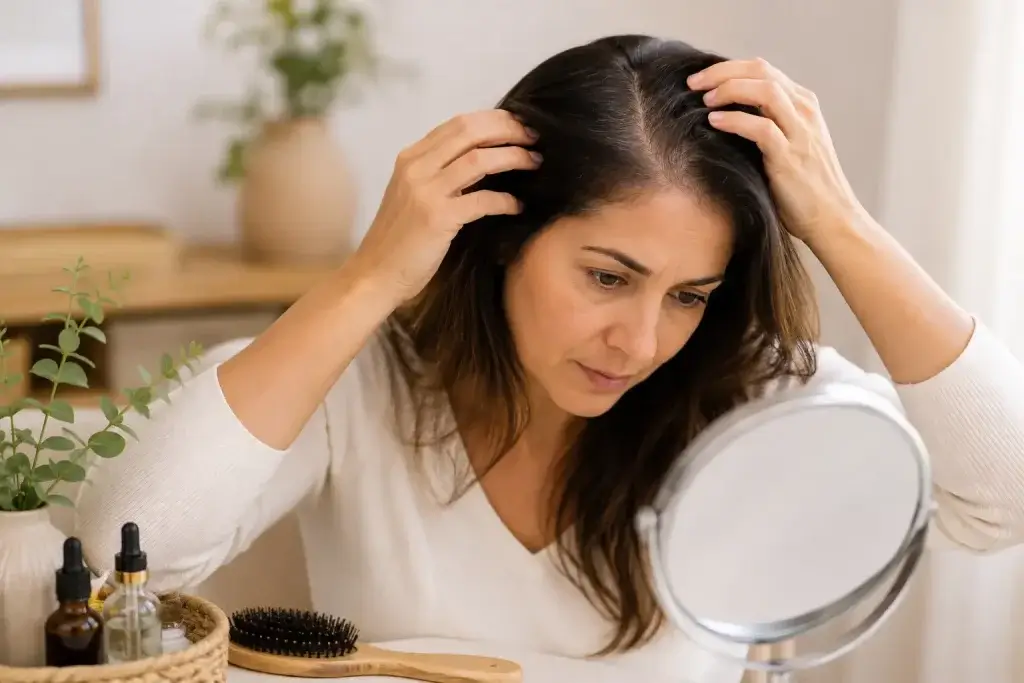
Hair thinning during menopause is often blamed entirely on changing hormones. While the decline in estrogen does influence the hair growth cycle, it isn’t always the only factor at play. In many women, an often-overlooked nutrient deficiency, low ferritin (the body’s iron storage protein), may also contribute to increased hair shedding and reduced hair density.
This is why an integrative, root-cause approach matters. Rather than assuming menopause is solely responsible, it’s important to understand how hormonal shifts, nutrition, and iron stores work together to influence hair health.
If you’ve noticed more hair in your brush, a widening parting, or a ponytail that feels thinner than it once did, it may be worth looking beyond hormones and exploring whether your body’s iron reserves are adequate.
What Is Menopause Hair Thinning?
Hair naturally grows in cycles, moving through phases of growth, transition, rest, and shedding. During perimenopause and menopause, declining estrogen levels can shorten the hair’s growth phase while increasing the number of hairs that enter the shedding phase. As a result, hair may become finer, shed more easily, or lose volume over time.
Unlike the patchy hair loss seen in some medical conditions, menopause-related hair thinning is usually gradual and diffuse. Many women notice a widening part line, reduced fullness around the crown, or hair that doesn’t feel as thick as it once did.
Several factors can contribute to menopause hair thinning, including:
Hormonal changes
Ageing
Chronic stress
Nutritional deficiencies
Certain medications
Thyroid disorders
Genetics
Understanding the underlying cause is essential because the right solution depends on what’s driving the hair loss.
How Estrogen Changes Affect Hair Growth
Estrogen helps support the hair growth cycle by keeping hair in its active growing phase for longer. As estrogen levels decline during menopause, hair follicles may spend less time growing and more time shedding. At the same time, the relative influence of androgens (male hormones that are naturally present in women) may become more noticeable, causing hair follicles to gradually produce finer, thinner strands.
This doesn’t mean every woman will experience significant hair loss, but it does explain why hair texture and density often change during midlife.
Is Menopause Hair Thinning Permanent?
Not necessarily.
While hormonal changes cannot be completely reversed, hair thinning may improve when contributing factors such as nutritional deficiencies, stress, poor protein intake, or certain medical conditions are identified and addressed. The earlier these factors are recognized, the better the chances of supporting healthier hair growth.
Because hair grows slowly, visible improvements often take several months. Patience and consistency are key, and treatment should always be tailored to the individual’s needs.
Why Ferritin Matters for Healthy Hair
When discussing iron, many people focus only on haemoglobin. However, haemoglobin and ferritin are not the same.
Haemoglobin is the protein in red blood cells that carries oxygen throughout the body. Ferritin, on the other hand, is a protein that stores iron for future use. Think of ferritin as your body’s iron reserve. Even if your haemoglobin level is normal, your iron stores may still be running low.
Hair follicles are among the body’s most metabolically active tissues. They require a steady supply of nutrients, including iron, to support normal hair growth. When iron stores become depleted, the body prioritizes vital organs over hair follicles, which may cause more hairs to enter the shedding phase.
How Low Ferritin Can Affect the Hair Growth Cycle
Low ferritin has been associated with diffuse hair shedding, particularly a condition known as telogen effluvium, where more hairs than usual shift into the resting phase and fall out. While low ferritin is not the cause of every case of hair loss, it is an important factor that healthcare professionals may consider when evaluating persistent hair thinning.
This is especially relevant for women who have experienced years of heavy menstrual bleeding before menopause, follow vegetarian or vegan diets, or have conditions that affect iron absorption.
Can Your Ferritin Be “Normal” but Still Too Low for Healthy Hair?
One of the biggest misconceptions about iron status is assuming that a “normal” blood test means everything is optimal.
Laboratory reference ranges are designed to identify disease, not necessarily to determine the ideal nutrient status for every aspect of health. This means your ferritin level may fall within the laboratory’s normal range, yet still be lower than what some clinicians consider supportive for healthy hair growth.
It’s also important to remember that blood test results should never be interpreted in isolation. Symptoms, medical history, dietary habits, menstrual history, and overall health all provide valuable context.
If you’re experiencing ongoing hair thinning alongside fatigue, reduced exercise tolerance, or other symptoms suggestive of low iron, discuss your concerns with a qualified healthcare professional. They can determine whether further investigation or treatment is appropriate.
Rather than self-prescribing iron supplements, focus on getting an accurate assessment first. Excess iron can also be harmful, so supplementation should always be guided by medical advice.
Signs Your Hair Thinning May Be Linked to Low Ferritin
Hair thinning isn’t always caused by low iron stores, but ferritin deficiency is one factor worth exploring, especially if you’re experiencing other symptoms alongside increased hair shedding.
Some common signs include:
Excessive hair fall while washing or brushing
A widening hair part or reduced hair volume
Hair that feels dry, brittle, or breaks easily
Persistent fatigue or low energy
Pale skin
Shortness of breath during routine activities
Restless legs, particularly at night
These symptoms can have several underlying causes, so it’s important to consult a qualified healthcare professional rather than self-diagnosing.
Foods That Help Replenish Iron Stores
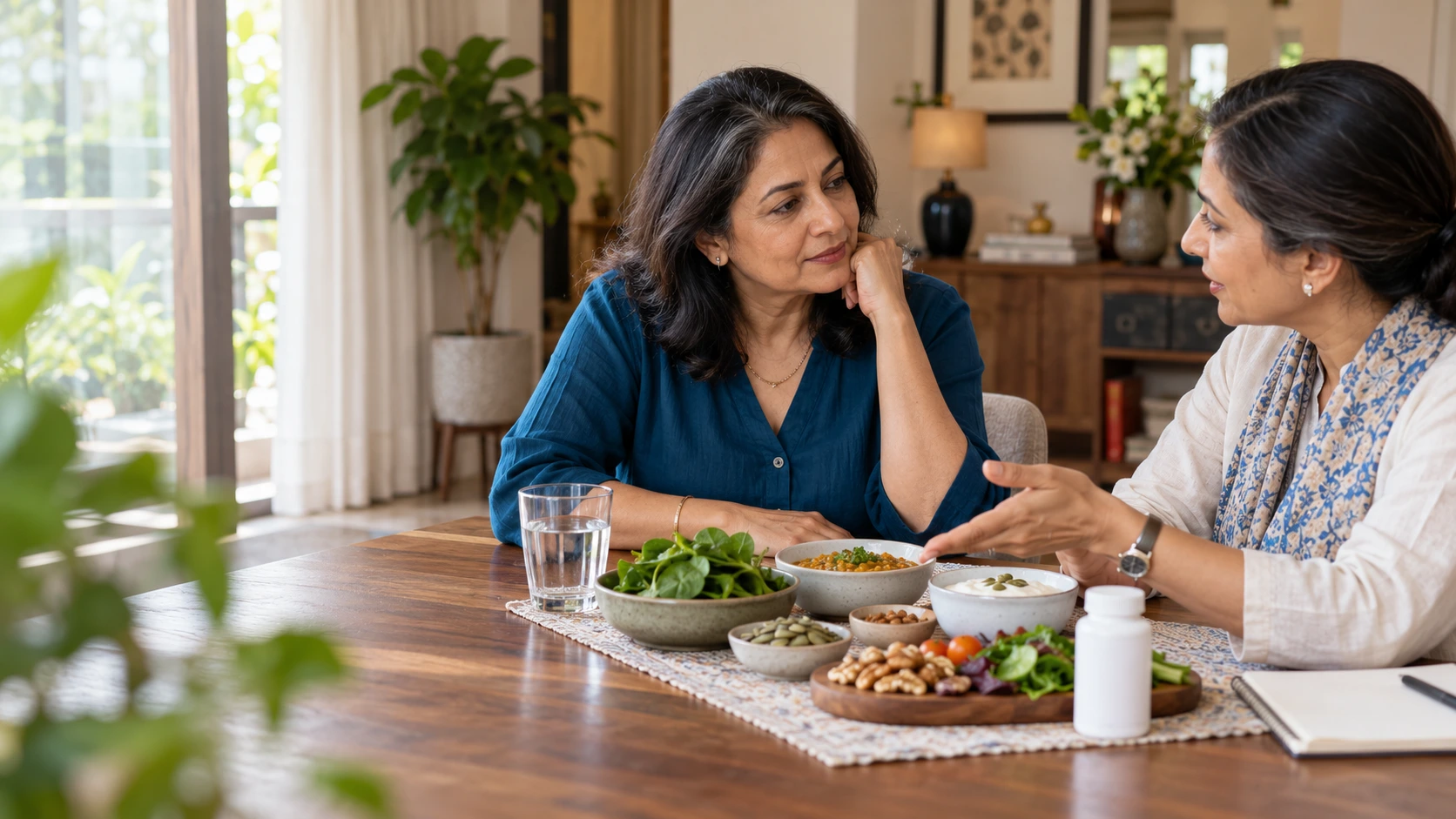
A balanced diet can help support healthy iron levels, although diet alone may not always correct a deficiency.
Haem Iron Sources
Haem iron is found in animal foods and is generally absorbed more efficiently by the body.
Sources include:
Lean red meat
Chicken
Fish
Eggs
Non-Haem Iron Sources
Non-haem iron is found in plant foods. While it’s absorbed less efficiently, thoughtful meal planning can improve absorption.
Sources include:
Lentils
Chickpeas
Kidney beans
Soybeans
Tofu
Pumpkin seeds
Vegetarian Iron-Rich Foods
For those following a vegetarian diet, include a variety of iron-rich foods such as:
Spinach
Amaranth leaves
Garden cress seeds (halim)
Sesame seeds
Ragi
Quinoa
Fortified breakfast cereals
Foods That Reduce Iron Absorption
Some foods and beverages can interfere with iron absorption when consumed alongside iron-rich meals. These include:
Tea
Coffee
Calcium-rich foods or supplements
Large amounts of bran or high-fibre cereals
You don’t need to avoid these foods entirely. Simply consume them at a different time from your iron-rich meals whenever possible.
Foods That Improve Iron Absorption
Vitamin C significantly enhances the absorption of non-haem iron.
Pair iron-rich foods with:
Oranges
Guava
Kiwi
Amla
Strawberries
Tomatoes
Bell peppers
Lemon juice
Even a small squeeze of lemon over dal or leafy vegetables can make a difference.
Simple Nutrition Strategies to Improve Iron Absorption
- Small dietary changes can go a long way in supporting your iron stores.
- Pair iron-rich meals with a source of vitamin C.
- Avoid tea or coffee for about one to two hours before and after iron-rich meals.
- If you take calcium supplements, space them away from iron-rich meals or iron supplements.
- Cooking acidic foods in cast iron cookware may slightly increase the iron content of the meal.
- Avoid taking iron supplements without medical advice, as excess iron can be harmful.
- Where Does Collagen Fit In?
Collagen supplements have become increasingly popular for hair health, but they’re not a solution for iron deficiency.
Collagen provides amino acids that support the structure of hair, skin, and nails. However, if your body lacks iron or adequate protein, collagen alone is unlikely to address the root cause of hair thinning.
Healthy hair depends on several nutrients working together, not a single supplement.
Other Nutrients That Support Healthy Hair During Menopause
Iron is just one piece of the puzzle. Other nutrients that contribute to healthy hair include:
Protein: Hair is primarily made of protein, making adequate intake essential.
Zinc: Supports normal hair follicle function.
Vitamin D: Plays a role in the hair growth cycle.
Vitamin B12 and Folate: Help support healthy red blood cell production and overall cellular health.
Omega-3 fatty acids: May support scalp health and help manage inflammation.
When Should You Get Your Ferritin Tested?
Consider discussing ferritin testing with your healthcare professional if you experience:
- Persistent or unexplained hair thinning
- Ongoing fatigue or low energy
- A history of heavy menstrual bleeding
- A vegetarian or vegan diet
- Previously diagnosed iron deficiency
- Hair loss that doesn’t improve despite lifestyle changes
- Your healthcare provider may recommend ferritin testing alongside other investigations, depending on your symptoms and medical history.
A Root-Cause Approach to Menopause Hair Thinning
Menopause hair thinning is rarely caused by a single factor. While hormonal changes play an important role, low ferritin, inadequate protein intake, and other nutritional deficiencies can also influence hair health.
Taking a root-cause approach by evaluating your symptoms, checking iron stores when appropriate, and building a nutrient-rich diet can help create the right environment for healthier hair growth. Instead of reaching for supplements based on trends, seek personalised guidance from a qualified healthcare professional to identify what’s truly driving your hair concerns.
FAQs
If low ferritin is contributing to hair shedding, restoring healthy iron stores under medical supervision may support normal hair growth. However, results vary depending on the underlying cause.
Yes. Chronic stress can disrupt the hair growth cycle and contribute to increased shedding. During menopause, stress may act alongside hormonal changes and nutritional deficiencies, making hair thinning more noticeable.
Yes. Some women may have low iron stores despite having normal haemoglobin levels. This is why ferritin testing may be considered when clinically appropriate.
They serve different purposes. Collagen supports hair structure, while iron supports healthy hair growth when iron deficiency is present. Neither should replace a balanced diet or personalized medical advice.
They serve different purposes. Collagen supports hair structure, while iron supports healthy hair growth when iron deficiency is present. Neither should replace a balanced diet or personalized medical advice.
Hair grows slowly, so it may take several months before you notice an improvement. The timeline depends on the underlying cause of hair thinning, how low the ferritin levels were, and how well the deficiency responds to treatment.