
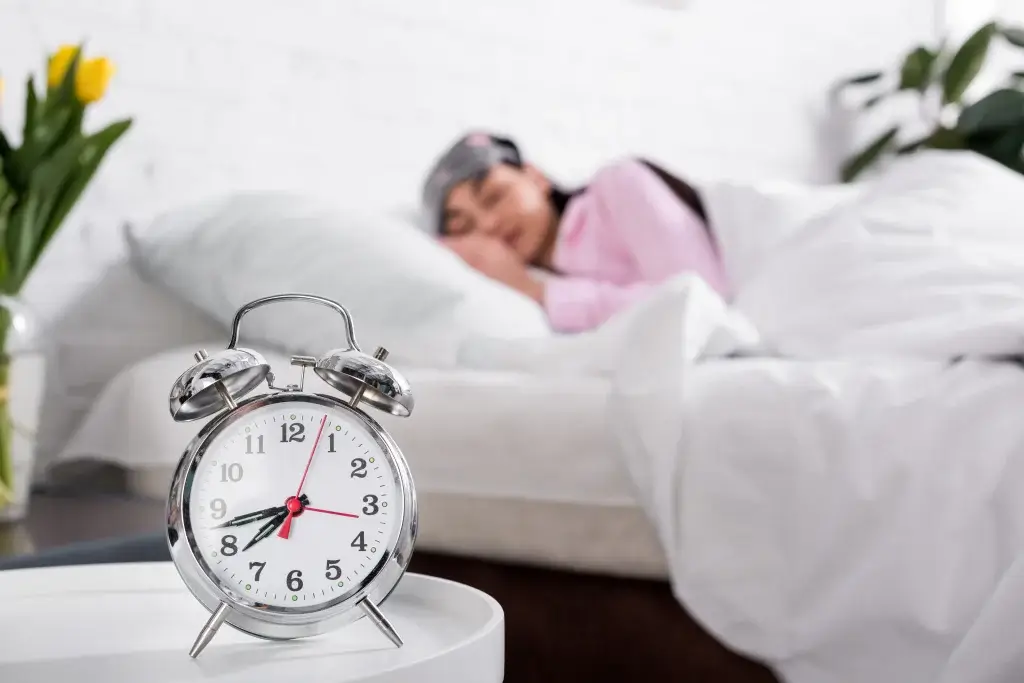
Sleep changes are one of the most frustrating realities women face during menopause age. You might fall asleep easily, only to wake up drenched in sweat at 2 AM, heart racing, sheets uncomfortable, and rest disrupted.
If this sounds familiar, you’re not alone. Research shows that nearly 40–60% of women experience sleep disturbances during menopause age, often linked to night sweats and hormonal shifts.
But here’s the part that’s often overlooked: while hormones play a role, your sleep environment and habits can significantly reduce night sweats.
This guide focuses on specific, practical sleep hygiene changes—not vague advice—that actually help.
Why Sleep Gets Worse at Menopause Age
Hormonal fluctuations and thermoregulation
During menopause age, declining estrogen affects the hypothalamus—the part of your brain that regulates temperature. This makes your body more sensitive to even slight temperature changes, triggering night sweats.
Cortisol and sleep disruption
Stress hormones like cortisol tend to rise during menopause age. This can make your sleep lighter, more fragmented, and easier to interrupt.
Increased sensitivity to lifestyle triggers
Caffeine, alcohol, and even late meals can worsen night sweats during menopause age because your body processes them differently than before.
The Link Between Menopause Age and Night Sweats
Night sweats are essentially hot flashes that happen during sleep. At menopause age, your body may suddenly release heat, causing:
- Rapid heartbeat
- Sudden sweating
- Chills after sweating
- Interrupted sleep cycles
Poor sleep then worsens fatigue, mood swings, and even cognitive clarity the next day.
That’s why improving sleep hygiene at menopause age is not optional—it’s essential.
Sleep Hygiene Changes That Actually Reduce Night Sweats
Lower your bedroom temperature strategically
The ideal sleep temperature during menopause age is slightly cooler than usual—around 16–19°C.
Instead of blasting AC, aim for consistent cooling. Sudden temperature drops can trigger the body’s stress response.
Tip: Use breathable bedding like cotton or bamboo.
Choose moisture-wicking sleepwear
At menopause age, your body sweats differently. Synthetic fabrics trap heat and worsen discomfort.
Switch to:
- Bamboo fabric
- Cotton blends
- Moisture-wicking nightwear
These help regulate body temperature and reduce the intensity of night sweats.
Time your evening meals carefully
Eating late can increase metabolic heat, which worsens night sweats during menopause age.
Best practice:
- Finish dinner at least 2–3 hours before bed
- Avoid spicy or heavy foods at night
Rethink alcohol and caffeine timing
Alcohol might help you fall asleep—but it disrupts REM sleep and triggers night sweats.
At menopause age:
- Avoid caffeine after 2 PM
- Limit alcohol, especially in the evening
Use layered bedding instead of one heavy blanket
Instead of one thick blanket, use layers you can remove easily.
Why it works at menopause age:
- Helps you adapt quickly during temperature spikes
- Prevents full awakenings
Take a warm (not hot) shower before bed
This sounds counterintuitive, but a warm shower helps your body cool down afterward, stabilizing temperature during sleep.
This is particularly effective during menopause age when your body struggles with internal cooling.
Practice a consistent sleep schedule
Irregular sleep patterns worsen hormonal imbalance during menopause age.
Try to:
- Sleep and wake at the same time daily
- Avoid late-night screen exposure
Consistency trains your body to stabilize its internal clock.
Manage stress before bedtime
Stress amplifies night sweats during menopause age.
Simple techniques:
- Deep breathing
- Light stretching
- Journaling
These help lower cortisol levels and improve sleep depth.
Additional Lifestyle Adjustments for Better Sleep at Menopause Age
Maintain a healthy weight
Higher body fat can increase heat retention, making night sweats worse at menopause age.
Even small lifestyle changes—like walking daily—can help regulate body temperature.
Stay hydrated (but smartly)
Drink enough water during the day, but reduce intake right before bed to avoid frequent waking.
Consider natural cooling aids
- Cooling pillows
- Gel mattress toppers
- Fans with steady airflow
These can significantly reduce night discomfort during menopause age.
When Sleep Issues at Menopause Age Need Medical Attention
While sleep hygiene helps, some cases need medical support.
Consult a doctor if:
- Night sweats are severe and persistent
- Sleep disruption affects daily functioning
- You experience anxiety or depression
Options may include:
- Hormone therapy
- Non-hormonal medications
- Cognitive behavioral therapy for insomnia
Conclusion
Navigating sleep challenges during menopause age can feel overwhelming—but it’s not something you have to accept as your new normal.
The key is understanding that while hormones set the stage, your daily habits shape the outcome.
Small, intentional changes—cooler rooms, better fabrics, smarter routines—can dramatically improve how you sleep and how you feel the next day.
Because at this stage of life, rest isn’t a luxury. It’s foundational.
FAQs
Night sweats at menopause age are mainly caused by declining estrogen levels, which affect the body’s temperature regulation system. The brain becomes more sensitive to small temperature changes, triggering sudden heat release. This leads to sweating, discomfort, and frequent sleep interruptions.
Yes, sleep hygiene can make a noticeable difference. While it doesn’t eliminate hormonal changes, it helps your body manage temperature fluctuations better. Simple adjustments like cooler rooms, breathable fabrics, and consistent sleep routines can significantly reduce the frequency and intensity of night sweats.
There isn’t a universally “best” position, but sleeping in a position that allows airflow—like on your back or side with light bedding—can help. The key factor during menopause age is temperature regulation rather than posture, so focus more on comfort and cooling.
Yes, diet plays an important role. Spicy foods, caffeine, and alcohol can trigger night sweats and disrupt sleep. Eating lighter meals and finishing dinner earlier can help your body stay cooler and improve sleep quality during menopause age.
If sleep disturbances are persistent, worsening, or affecting your daily life, it’s important to seek medical advice. Severe night sweats, chronic insomnia, or emotional changes may require targeted treatment beyond lifestyle adjustments.