

There is a quiet moment many women experience somewhere in their late thirties or early forties when irregular periods menopause changes first begin to appear. Your cycle arrives earlier than expected. The next month it disappears. Flow feels heavier, lighter, unpredictable. Alongside it come mood shifts, sleep disturbances, sudden heat, and a growing sense that your body is rewriting its own rhythm.
For countless Indian women, this hormonal transition first reveals itself through irregular periods menopause changes that feel confusing and often unsettling. What begins as a missed cycle or unexpected heavy flow can quickly raise concern, even fear. Yet this phase is not a disorder or a sign of failing health. It is a natural biological shift that, when understood properly, becomes far less overwhelming and far more manageable.
These shifts can feel unsettling at first, but they are part of a carefully designed biological process. With proper knowledge and modern care, women can move through this phase with confidence and comfort.
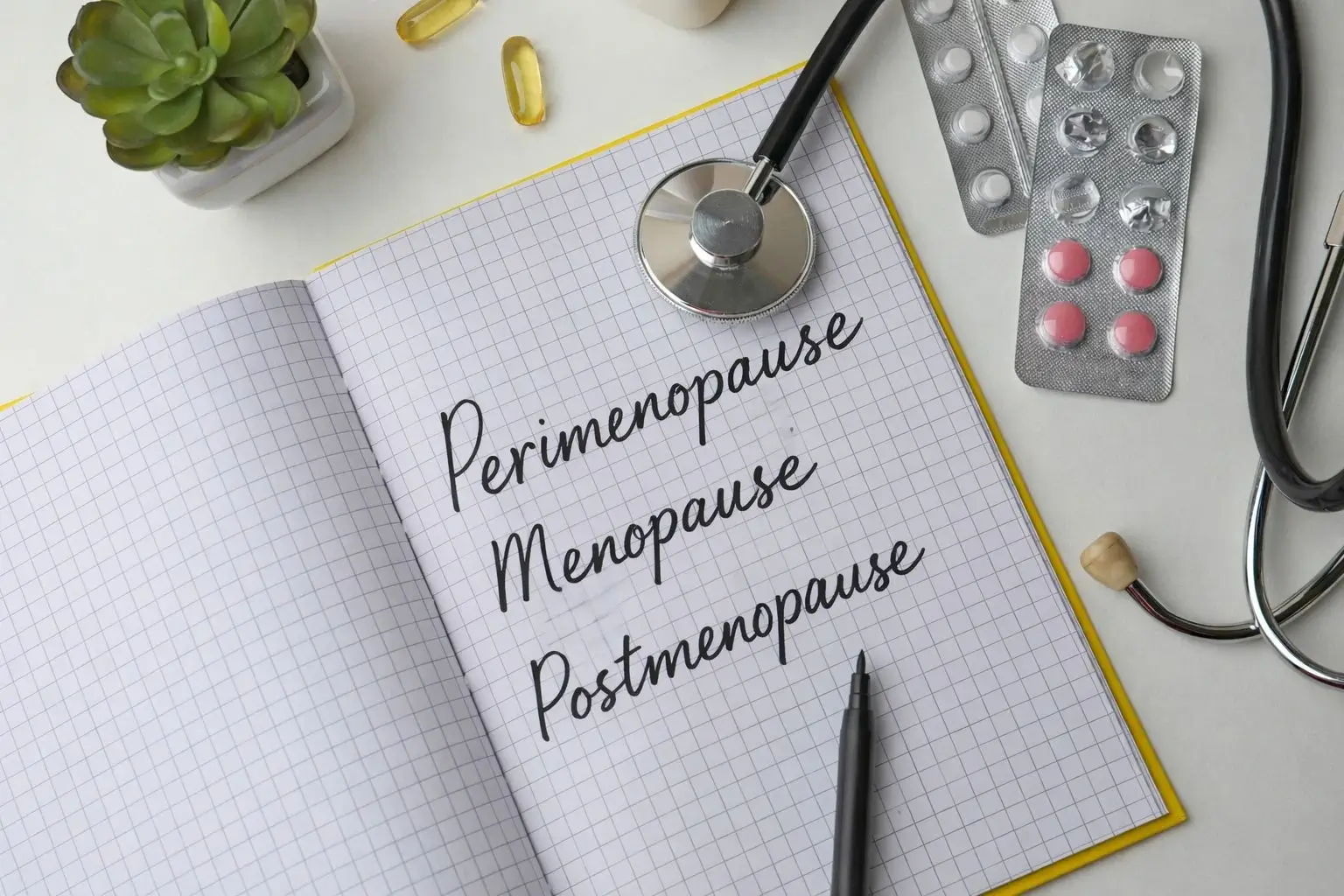
Perimenopause is the years leading up to menopause when your ovaries slowly reduce estrogen and progesterone production. This transition can last anywhere from four to ten years. During this time, ovulation becomes inconsistent. Some months an egg releases normally, others it does not. Without predictable ovulation, hormone levels fluctuate dramatically.
Estrogen may surge high one month and dip low the next, while progesterone often falls earlier and more sharply. These hormonal swings are the main reason many women begin noticing irregular periods menopause patterns during this stage, including cycles that come too close together, stretch far apart, feel heavier, or sometimes stop entirely for months.
This is not your body malfunctioning. It is your reproductive system gradually powering down in preparation for menopause.
When estrogen rises without enough progesterone to balance it, the uterine lining grows thicker than usual. When it finally sheds, bleeding can be heavier and longer. In months when estrogen drops suddenly, the lining may barely build at all, leading to very light or skipped periods.
This hormonal unpredictability is the central driver behind menstrual irregularity during midlife.
This stage is often misunderstood as a sudden stop in periods. In reality, it is a slow and uneven process.
Some women experience cycles every two weeks. Others go three months without bleeding and then have a very heavy flow. Spotting between periods becomes common. Cramps may intensify. PMS can feel stronger than it ever did in younger years.
All of these patterns fall within the spectrum of normal perimenopausal change linked to irregular periods menopause transitions.
What matters most is distinguishing typical hormonal shifts from symptoms that may require medical evaluation.
Hormonal changes account for the vast majority of cycle irregularity in midlife. However, it is still essential to consult a doctor to rule out conditions such as thyroid disorders, fibroids, or abnormal uterine growth, especially if bleeding becomes excessively heavy or painful.
Irregular periods rarely occur alone. They are part of a broader hormonal picture affecting the entire body.
Recognizing this connection helps women understand that they are not experiencing multiple unrelated problems. These symptoms share a common hormonal root.
While most cycle changes during perimenopause are part of the body’s natural hormonal transition, there are certain patterns of bleeding that deserve prompt medical attention. Hormonal fluctuations can certainly make periods unpredictable, but when irregular periods menopause changes become excessively heavy, prolonged, or painful, they are not something women should simply push through.
If bleeding continues for more than ten days at a time, soaks through pads or tampons every hour, occurs after intimacy, or appears after menopause has officially occurred, it is important to seek evaluation. These symptoms can sometimes signal uterine fibroids, hormonal imbalances beyond perimenopause, thickening of the uterine lining, or other gynecological conditions that benefit greatly from early treatment.
Fortunately, most causes can be identified quickly through ultrasound imaging and routine blood tests. When addressed early, women often find relief far sooner than expected and avoid unnecessary discomfort or worry.
One of the most persistent myths surrounding perimenopause is that women must simply endure years of hormonal instability until menopause arrives. In reality, modern medicine offers highly effective, evidence based options that restore balance and significantly improve quality of life.
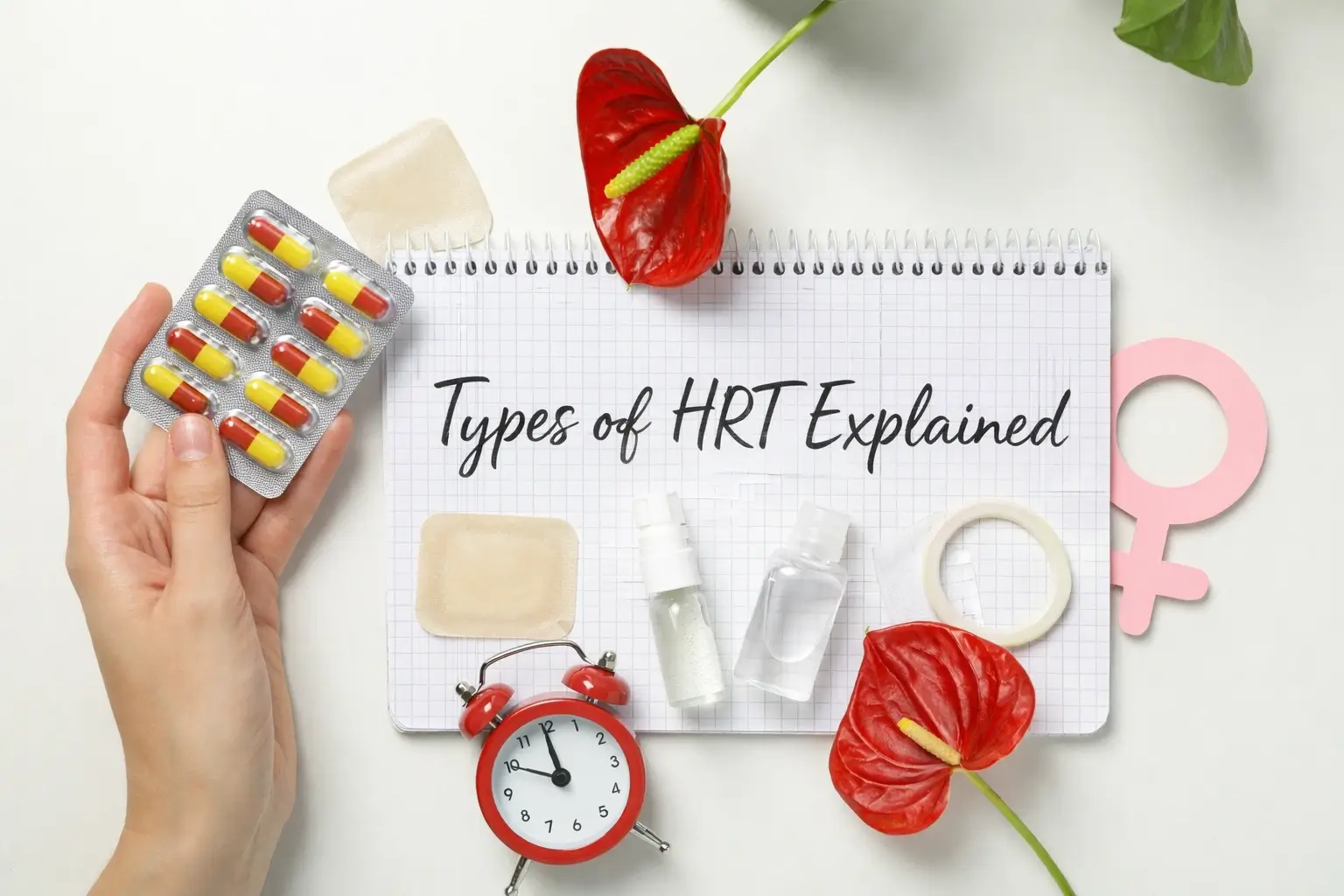
Hormone Replacement Therapy works by gently stabilizing estrogen and progesterone levels rather than allowing the dramatic rises and drops that drive many symptoms of perimenopause. When hormones are supported in this way, the uterine lining behaves more predictably, often leading to lighter, more regular bleeding patterns or a smoother transition toward menopause itself.
Beyond regulating menstrual flow, hormone therapy has been shown to ease hot flashes and night sweats, improve sleep quality, reduce mood fluctuations, support mental clarity, and protect long term bone and heart health. For many women still experiencing cycles, personalized hormone regimens can bring a sense of rhythm and control back to their bodies during what can otherwise feel like a chaotic phase.
Today’s hormone therapy is carefully dosed, closely monitored, and tailored to each woman’s medical profile. It is one of the most thoroughly studied treatments in women’s health, backed by decades of clinical research.
Large scale clinical studies now confirm that hormone therapy is one of the most effective treatments for managing perimenopausal symptoms, including irregular bleeding, hot flashes, sleep disruption, and mood changes. When started at the appropriate time and monitored properly, it not only improves daily comfort but also supports long term bone strength and heart health, with growing evidence showing that modern hormone therapy is far safer and more personalized than earlier treatment approaches.
Experiencing hormonal change does not mean your body is failing you. It does not mean you are becoming fragile, weak, or less capable. What you are moving through is a normal biological transition that simply has not been openly discussed for generations.
In Indian culture especially, women have often been taught to tolerate discomfort quietly, accepting exhaustion, emotional swings, and cycle disruption as something to endure rather than address. Today, science tells a very different story. These changes are understood, treatable, and manageable.
Irregular periods menopause related shifts are not a loss of health. They are a phase of life that deserves knowledge, compassion, and proper medical support. When women receive timely care, many report feeling calmer, stronger, more energetic, and more emotionally balanced than they had in years.
Relief is not only possible. It is expected with the right guidance.
The most important step is not waiting until symptoms begin to interfere with daily life. Hormonal transitions respond best when supported early, before years of disruption take hold.
Early intervention during perimenopause has been shown to protect bone density, support cardiovascular health, stabilize mood, improve sleep, and ease the menstrual irregularities that cause so much anxiety. Listening to your body as soon as cycles begin shifting gives you far greater control over how smoothly this transition unfolds.
With proper medical care, perimenopause does not have to be a period of struggle. It can be a phase of renewed balance, clarity, and wellbeing.
Managing irregular periods menopause symptoms early allows women to move through perimenopause with greater comfort, confidence, and long term health.
Many women experience cycle changes as hormones fluctuate, including shorter cycles, skipped periods, or heavier flow. However, extremely heavy, prolonged, or painful bleeding should always be evaluated to rule out other conditions.
Hormonal changes usually cause unpredictability but not severe bleeding. Bleeding that lasts longer than ten days, occurs very frequently, or happens after menopause may indicate uterine issues and should be checked by a doctor.
Yes. When properly prescribed, hormone therapy can stabilize estrogen and progesterone levels, leading to more predictable cycles or a smoother transition into menopause while easing other symptoms.
For many women, starting treatment early provides better symptom control and long term health benefits. Therapy is always personalized based on medical history and monitored closely for safety.
Most women notice their cycles become increasingly unpredictable before stopping completely, with skipped months followed by lighter or heavier bleeding. In some cases, periods may end more abruptly, which is also normal. The key is to observe changes and seek medical guidance if bleeding becomes unusually heavy or appears after menopause.
| Sr. No. | Reference Links |
|---|---|
| 1. | Hormone Therapy for Menopause |
| 2. | Perimenopause and Menopause Symptoms |
| 3. | Management of Menopause |
| 4. | Heavy Menstrual Bleeding in Perimenopause |




 ×
×