

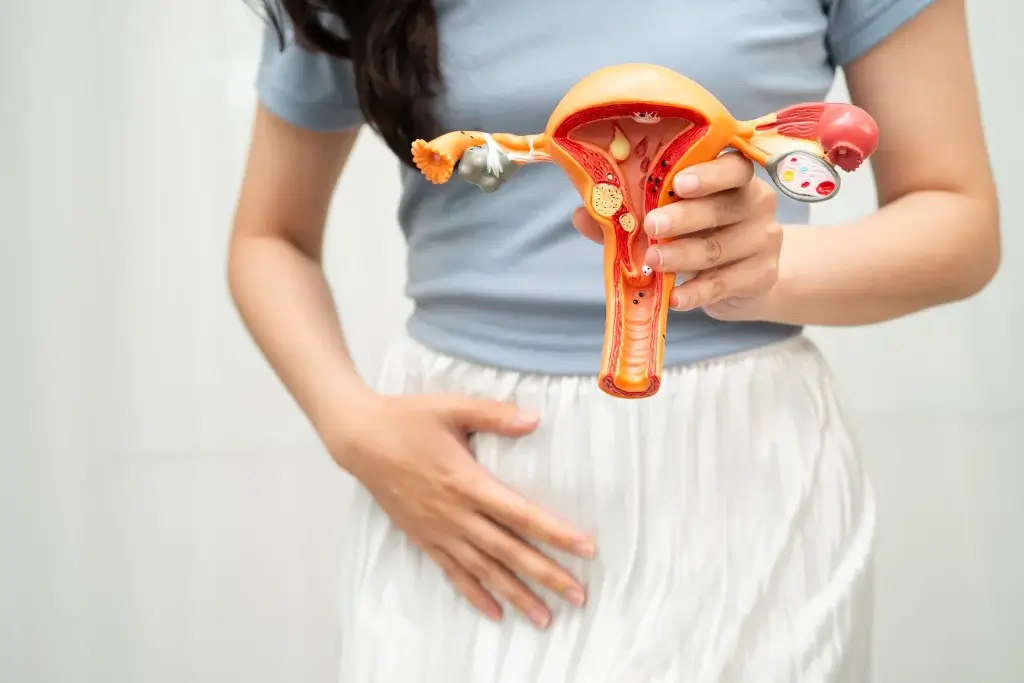
There comes a point in many women’s lives when their body starts feeling different. Sleep becomes lighter. Energy feels harder to maintain. Periods become unpredictable. Mood shifts seem to arrive without warning. While many women assume stress, aging, or a busy lifestyle are solely responsible, hormonal changes—particularly declining estrogen levels—may be playing a significant role.
Understanding low estrogen symptoms can help women recognize what their bodies are trying to communicate. Estrogen is one of the most influential hormones in the female body, affecting everything from reproductive health to bone strength, skin health, brain function, and cardiovascular wellbeing.
The challenge is that low estrogen symptoms can look different depending on age and life stage. A woman in her 30s may experience them differently than a woman in perimenopause or menopause.
This guide explores the signs, causes, and management of low estrogen while helping women understand what is normal, what deserves attention, and when to seek medical advice.
What Is Estrogen and Why Is It Important?
Estrogen is a hormone primarily produced by the ovaries. It plays a crucial role throughout a woman’s life.
Its functions include:
- Regulating menstrual cycles
- Supporting fertility and ovulation
- Maintaining bone density
- Supporting heart health
- Keeping vaginal tissues healthy
- Influencing mood and cognitive function
- Maintaining skin elasticity and hydration
When estrogen levels decline, multiple systems in the body can be affected simultaneously, which is why low estrogen symptoms often seem unrelated at first.
What Causes Low Estrogen?
Several factors can contribute to estrogen decline.
Perimenopause
The most common cause of fluctuating and eventually declining estrogen levels. This transition often begins in the 40s but may start earlier.
Menopause
Once a woman has gone 12 consecutive months without a menstrual period, she is considered menopausal. Estrogen production drops significantly during this stage.
Primary Ovarian Insufficiency (POI)
In some women, ovarian function declines before age 40, leading to symptoms associated with low estrogen.
Excessive Exercise or Under-Eating
Intense physical training, significant weight loss, or chronic calorie restriction can suppress hormone production.
Medical Treatments
Certain medications, chemotherapy, radiation therapy, and ovarian surgery can affect estrogen production.
The Most Common Low Estrogen Symptoms
Many women experience multiple symptoms at the same time.
Irregular Periods
One of the earliest low estrogen symptoms is a change in menstrual cycles.
Women may notice:
- Missed periods
- Shorter cycles
- Longer cycles
- Lighter bleeding
- Heavier bleeding
These changes often occur because ovulation becomes less predictable.
Hot Flashes and Night Sweats
Hot flashes are among the most recognized low estrogen symptoms.
Women may experience:
- Sudden warmth in the face and chest
- Excessive sweating
- Rapid heartbeat
- Chills after the hot flash subsides
Night sweats can disrupt sleep and contribute to daytime fatigue.
Vaginal Dryness
Estrogen helps maintain healthy vaginal tissue.
Low levels may lead to:
- Dryness
- Burning
- Itching
- Discomfort during intimacy
For many women, this symptom significantly impacts quality of life and relationships.
Reduced Libido
A decline in estrogen may affect sexual desire, arousal, and overall sexual satisfaction.
Women often describe feeling less interested in sex despite having a healthy relationship.
Sleep Disturbances
Many women experiencing low estrogen symptoms report:
- Difficulty falling asleep
- Frequent waking
- Early morning awakening
- Poor sleep quality
Hormonal fluctuations can interfere with the body’s natural sleep regulation.
Mood Changes
Estrogen interacts with neurotransmitters that influence mood.
Common emotional symptoms include:
- Irritability
- Anxiety
- Increased stress sensitivity
- Mood swings
- Feelings of sadness
While hormonal changes are not the sole cause of mood disorders, they can contribute significantly.
Brain Fog and Memory Issues
Many women describe feeling mentally slower than usual.
Brain fog may involve:
- Difficulty concentrating
- Forgetfulness
- Trouble finding words
- Reduced mental clarity
These symptoms are particularly common during perimenopause.
Fatigue
Persistent tiredness is one of the most overlooked low estrogen symptoms.
Women may feel:
- Drained despite adequate sleep
- Less motivated
- Physically weaker
- Slower to recover after exercise
Joint and Muscle Discomfort
Estrogen has anti-inflammatory effects throughout the body.
Lower levels may contribute to:
- Joint stiffness
- Muscle aches
- Generalized body discomfort
Skin and Hair Changes
Women may notice:
- Dry skin
- Reduced skin elasticity
- Hair thinning
- Increased hair shedding
These changes often happen gradually and may be mistaken for normal aging.
Low Estrogen Symptoms in Your 30s
Many women assume hormonal changes only begin in their 40s or 50s.
However, low estrogen symptoms can appear in the 30s due to:
- Chronic stress
- Under-eating
- Excessive exercise
- Postpartum hormonal shifts
- Primary ovarian insufficiency
Symptoms may include:
- Irregular cycles
- Reduced fertility
- Fatigue
- Vaginal dryness
- Mood changes
When symptoms occur consistently, medical evaluation is important.
Low Estrogen Symptoms in Your 40s
The 40s are often the decade when women first notice significant hormonal fluctuations.
Perimenopause can last several years, during which estrogen levels may rise and fall unpredictably.
Common symptoms include:
- Irregular periods
- Hot flashes
- Night sweats
- Mood swings
- Sleep disturbances
- Brain fog
- Weight changes
Because symptoms can fluctuate month to month, many women find this stage particularly confusing.
Low Estrogen Symptoms After Menopause
Following menopause, estrogen levels stabilize at much lower levels.
Common ongoing symptoms include:
- Vaginal dryness
- Urinary discomfort
- Reduced libido
- Sleep difficulties
- Bone density loss
- Joint aches
While hot flashes often improve over time, some women continue experiencing them for years.
How Low Estrogen Affects Long-Term Health
Estrogen influences more than daily symptoms.
Bone Health
Low estrogen accelerates bone breakdown, increasing the risk of osteoporosis and fractures.
Heart Health
Estrogen supports healthy blood vessels and cholesterol balance.
Lower levels may contribute to increased cardiovascular risk over time.
Cognitive Health
Researchers continue studying the relationship between estrogen and brain health, particularly during menopause and aging.
How Are Low Estrogen Symptoms Diagnosed?
Healthcare providers typically assess:
- Medical history
- Menstrual history
- Symptom patterns
- Family history
Laboratory testing may include:
- Estradiol
- Follicle-stimulating hormone (FSH)
- Thyroid function tests
- Other hormone assessments if needed
Diagnosis is usually based on a combination of symptoms and clinical evaluation rather than a single blood test.
Managing Low Estrogen Symptoms
Prioritize Strength Training
Resistance training supports:
- Bone density
- Muscle mass
- Metabolic health
Focus on Nutrition
Key nutrients include:
- Protein
- Calcium
- Vitamin D
- Magnesium
Improve Sleep Hygiene
Simple habits such as maintaining a consistent bedtime and limiting screen exposure can support better sleep.
Stress Management
Chronic stress can worsen hormonal symptoms.
Helpful approaches include:
- Walking
- Yoga
- Meditation
- Breathing exercises
- Social support
Medical Treatment Options
Depending on individual circumstances, healthcare providers may recommend:
- Menopausal hormone therapy (MHT)
- Local vaginal estrogen treatments
- Non-hormonal symptom management strategies
Treatment should always be individualized.
When Should You See a Doctor?
Seek medical guidance if you experience:
- Hot flashes before age 40
- Missed periods without explanation
- Severe vaginal dryness
- Persistent fatigue
- Significant mood changes
- Symptoms affecting daily life
Early intervention often leads to better outcomes and improved quality of life.
Low estrogen symptoms can affect nearly every aspect of a woman’s physical and emotional wellbeing. From irregular periods and hot flashes to brain fog, fatigue, vaginal dryness, and sleep disturbances, the signs are often interconnected because estrogen influences so many systems throughout the body.
The experience of low estrogen is not identical for every woman. Symptoms may begin in the 30s, intensify during perimenopause, or continue after menopause. Understanding these changes is the first step toward managing them effectively.
If symptoms are interfering with daily life, relationships, work, or overall wellbeing, seeking medical guidance can provide clarity, support, and access to evidence-based treatment options that help women feel like themselves again.
FAQs
The earliest low estrogen symptoms often include irregular periods, sleep disturbances, mood changes, and reduced energy levels. Some women also notice subtle changes such as increased sensitivity to stress or difficulty concentrating before more obvious symptoms like hot flashes appear.
Yes. While low estrogen is commonly associated with perimenopause and menopause, women in their 30s can experience symptoms due to excessive exercise, chronic stress, significant weight loss, postpartum hormonal shifts, or primary ovarian insufficiency. Persistent symptoms should always be evaluated by a healthcare professional.
Fatigue is one of the most commonly reported low estrogen symptoms. Lower estrogen levels can affect sleep quality, mood, and energy production, all of which may contribute to feeling persistently tired. However, fatigue can also result from thyroid disorders, anemia, stress, or other medical conditions.
Estrogen interacts with neurotransmitters that regulate mood and emotional wellbeing. As estrogen levels fluctuate or decline, some women may experience increased anxiety, irritability, or mood swings. These changes are particularly common during perimenopause.
Yes. Treatment depends on the cause, severity, and life stage of the individual. Lifestyle modifications, nutritional support, hormone therapy, vaginal estrogen treatments, and non-hormonal therapies may all play a role in managing symptoms effectively.