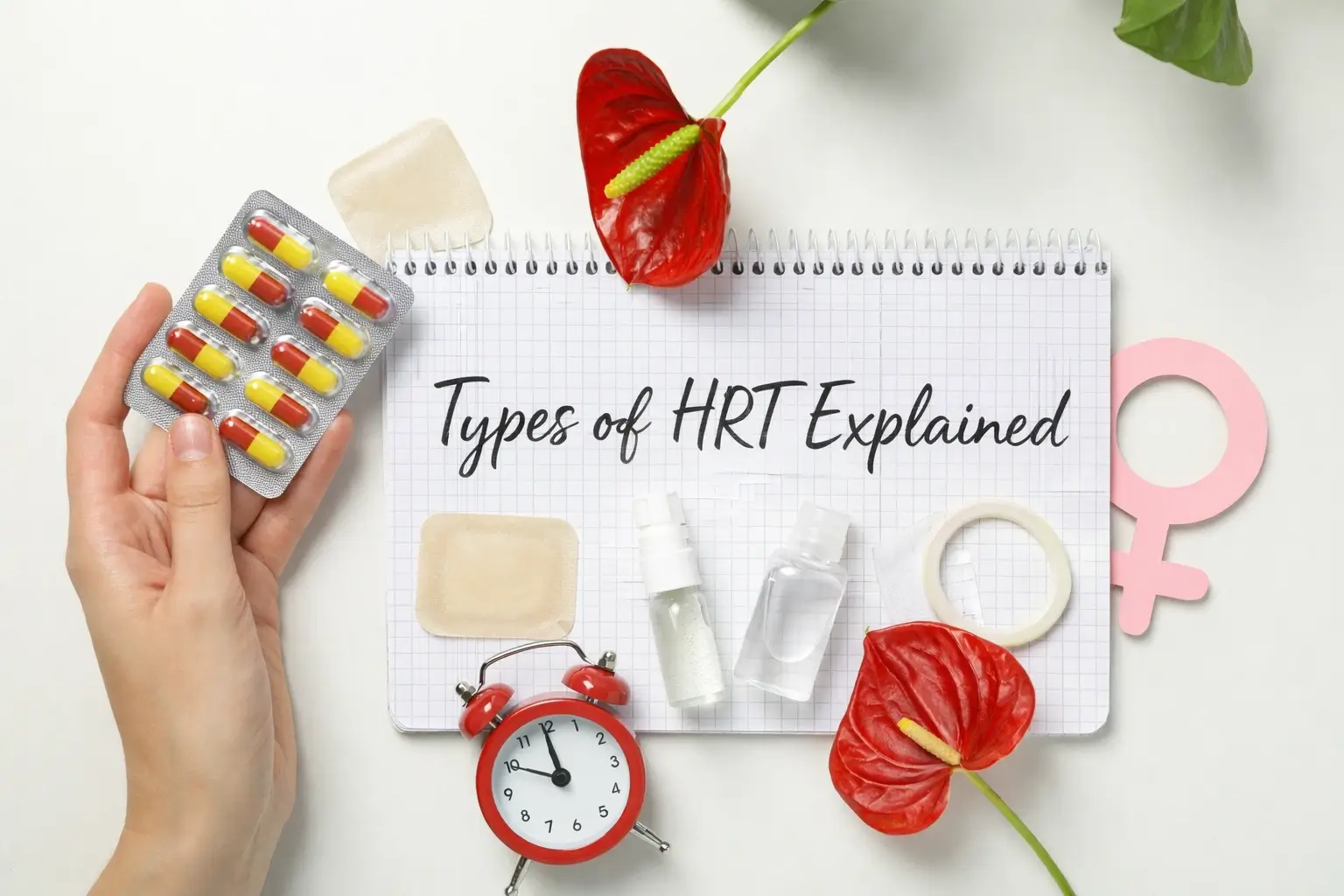


Hormones shape our entire inner world. Our moods, our skin, our sleep, our cycles, our metabolism, our libido, and our long term health. At the heart of it all stands estradiol, the most powerful form of estrogen your body makes.
Yet most women grow up never learning what normal estradiol levels actually look like, how they change with age, why some days we feel unstoppable and other days utterly foggy, or what our numbers mean when we finally see them on a lab report.
This guide is here to change that.
Whether you are 25 and noticing new mood swings, 35 and feeling period changes, 42 and wondering if perimenopause has quietly begun, or 52 and navigating life after menopause, estradiol levels matter. And understanding them gives you back a sense of control you may not have realized you had lost.
This is a full, compassionate, medically accurate breakdown every woman deserves.
Estradiol (E2) is the primary estrogen in women during reproductive years. It’s made mainly in the ovaries and fluctuates throughout the menstrual cycle.
Below is a table on what estradiol regulates:
| Body System | What Estradiol Regulates |
|---|---|
| Reproductive Health | Menstrual cycles and ovulation |
| Emotional Health | Mood stability and emotional regulation |
| Brain Function | Cognitive function and memory |
| Sexual Health | Libido and sexual responsiveness |
| Skeletal System | Bone density and strength |
| Skin Health | Elasticity, hydration, and youthful texture |
| Heart and Metabolism | Cardiovascular and metabolic health |
| Energy and Sleep | Energy levels, sleep quality, motivation |
| Vaginal Health | Lubrication and tissue integrity |
Estradiol is not simply a reproductive hormone.
It is a whole body hormone.
When estradiol drops too low, rises too high, or swings unpredictably, women feel it everywhere in the body, the mind, and the emotional world.
Reference ranges vary slightly by laboratory, but these are accepted clinical ranges.
| Life Stage or Cycle Phase | Normal Range |
|---|---|
| Follicular Phase | 20 to 350 |
| Ovulatory Peak | 150 to 750 |
| Luteal Phase | 30 to 450 |
| Perimenopause | 10 to 200 |
| Post Menopause | Below 10 to 40 |
| Pregnancy First Trimester | 188 to 2,497 |
| Pregnancy Third Trimester | 4,000 to 30,000 |
| Healthy Adult Female | 30 to 400 |
Estradiol is meant to rise and fall. These shifts influence mood, appetite, energy, libido, and emotional sensitivity. Many women feel like a different person on different days. That is not imagination. That is estradiol in motion.
Many women believe estrogen only changes after menopause. In reality, subtle decline often begins after age 35. This is when many women begin to notice mood shifts, anxiety, brain fog, sleep disturbances, and libido changes.
These are not personality changes.
They are chemistry shifts.
Low estradiol may lead to:
Estradiol is protective.
When it declines, the body feels the absence.
Excess estradiol may occur due to stress, gut imbalance, high body fat percentage, hormone therapies, or environmental exposure.
Symptoms may include:
Balance is the goal.
This stage often begins in the late 30s and early 40s. Estradiol may swing dramatically from high to low.
This causes:
Tracking estradiol patterns brings clarity during this phase.
Estradiol testing may be helpful when experiencing:
Testing alongside progesterone, FSH, LH, AMH, thyroid, vitamin D, and cortisol gives a full hormonal picture.
| Goal | What Helps |
|---|---|
| Boost Low Estradiol | Healthy fats, protein, strength training, omega 3, vitamin D, good sleep |
| Reduce High Estradiol | Fiber, cruciferous vegetables, hydration, liver support |
| Balance Perimenopause | Magnesium, adaptogens, blood sugar regulation |
| Protect Bones and Heart | Calcium, vitamin D3, K2, omega 3 |
| Improve Detox | Gut health, hydration, sweating |
| Reduce PMS | B vitamins, magnesium, anti inflammatory foods |
They reveal:
Understanding estradiol is like receiving the missing instruction manual for your body.
For generations, women in India were expected to silently endure hormonal changes. Mood shifts, fatigue, brain fog, sleep disturbance, and the transitions of perimenopause and menopause were often dismissed as something to simply live with. Miror is changing that narrative.
Miror is proud to introduce India’s first Hormone Replacement Therapy Centre of Excellence, a dedicated initiative focused entirely on women’s hormonal health across every life stage. Built on global science and compassionate care, this Centre recognises one clear truth: estradiol and hormonal balance are central to a woman’s vitality, emotional stability, sexual health, and long-term well-being.
Through this pioneering initiative, Miror offers:
Personalised hormone testing
Evidence-based medical care
Medically supervised HRT
Integrative wellness programs covering nutrition, lifestyle, and stress
Supportive supplement solutions that work alongside clinical care
To make this care truly accessible, Miror provides free consultations with a multidisciplinary panel of experts, including doctors, dietitians, gynecologists, dermatologists, HRT specialists, and general physicians, so women can seek guidance without fear, stigma, or financial pressure.
Beyond clinical care, women can also join the Miror Community: India’s largest 360-degree care network for women. This trusted circle of sisterhood offers not only free expert consultations, but also daily emotional support, shared learning, healing spaces, and genuine connection.
Because estradiol is not just a number.; it shapes a woman’s energy, mood, memory, skin, bones, heart, libido, and emotional resilience.
By building India’s first integrated ecosystem for hormonal care, Miror is not only offering treatment. It is restoring clarity, confidence, and control to women navigating hormonal change.
Estradiol shapes your:
Understanding your estradiol is not overthinking.
It is empowerment.
Your body is not unpredictable.
It is intelligent.
It is responsive.
It is communicating with you.
Now you finally have the language to understand it!
Yes. Estradiol can begin fluctuating years before periods become irregular, especially in the mid-30s. Many women have “normal” cycles but still experience mood changes, anxiety, low libido, or brain fog due to subtle estrogen shifts.
Not always. Low estradiol can occur during perimenopause, postpartum recovery, extreme stress, under-eating, intense exercise, or thyroid dysfunction. Menopause is just one of several situations where estradiol becomes consistently low.
Yes. Estradiol regulates fat distribution, insulin sensitivity, and metabolic rate. When levels drop, many women notice belly fat increase and slower weight loss, even with unchanged diet and exercise habits.
No. Birth control pills suppress natural ovarian estradiol production. Blood tests taken while on hormonal contraception do not reflect your true baseline estradiol levels.
Yes. Estradiol is partially processed and recycled in the gut. Poor gut health can lead to estrogen dominance or poor estrogen clearance. Supporting digestion with fiber, probiotics, and hydration plays a major role in hormonal balance.


 ×
×