
Period stop symptoms are rarely loud.
They arrive quietly. Subtly. Often disguised as stress, age, or “just one of those phases.”
A missed cycle here. A restless night there.
A body that feels familiar, yet slightly altered.
If your periods have become irregular, lighter, heavier, or have stopped altogether, your body may be transitioning hormonally. And no, you are not imagining it.
This guide is written by a woman, for women. It blends medical science with lived experience to help you understand what period stop symptoms really mean, when they are normal, and when they deserve attention.
Medically, the gradual stopping of periods is often linked to perimenopause, the transitional phase before menopause. This phase can begin as early as the late 30s and may last several years.
A period is considered “stopped” when:
Cycles become unpredictable or disappear for months
Bleeding patterns change significantly
Ovulation becomes inconsistent
Periods do not simply switch off.
They taper. They fluctuate. They communicate.
(Better Health Channel).
Every woman’s hormonal transition is unique, but research shows consistent patterns. Below are the most reported period stop symptoms, backed by clinical observation.
This is often the earliest and most recognisable sign.
Cycles may:
Shorten or lengthen unpredictably
Skip months and then return
Vary in flow and duration
This occurs because ovulation becomes inconsistent as estrogen and progesterone fluctuate.
Many women notice:
Heavier bleeding than usual
Spotting between cycles
Shorter or unusually light periods
These changes are linked to uneven hormonal signalling to the uterine lining.
Sudden warmth, night sweats, or chills can appear even before periods fully stop.
Estrogen helps regulate the body’s temperature centre in the brain. When levels fluctuate, the thermostat misfires.
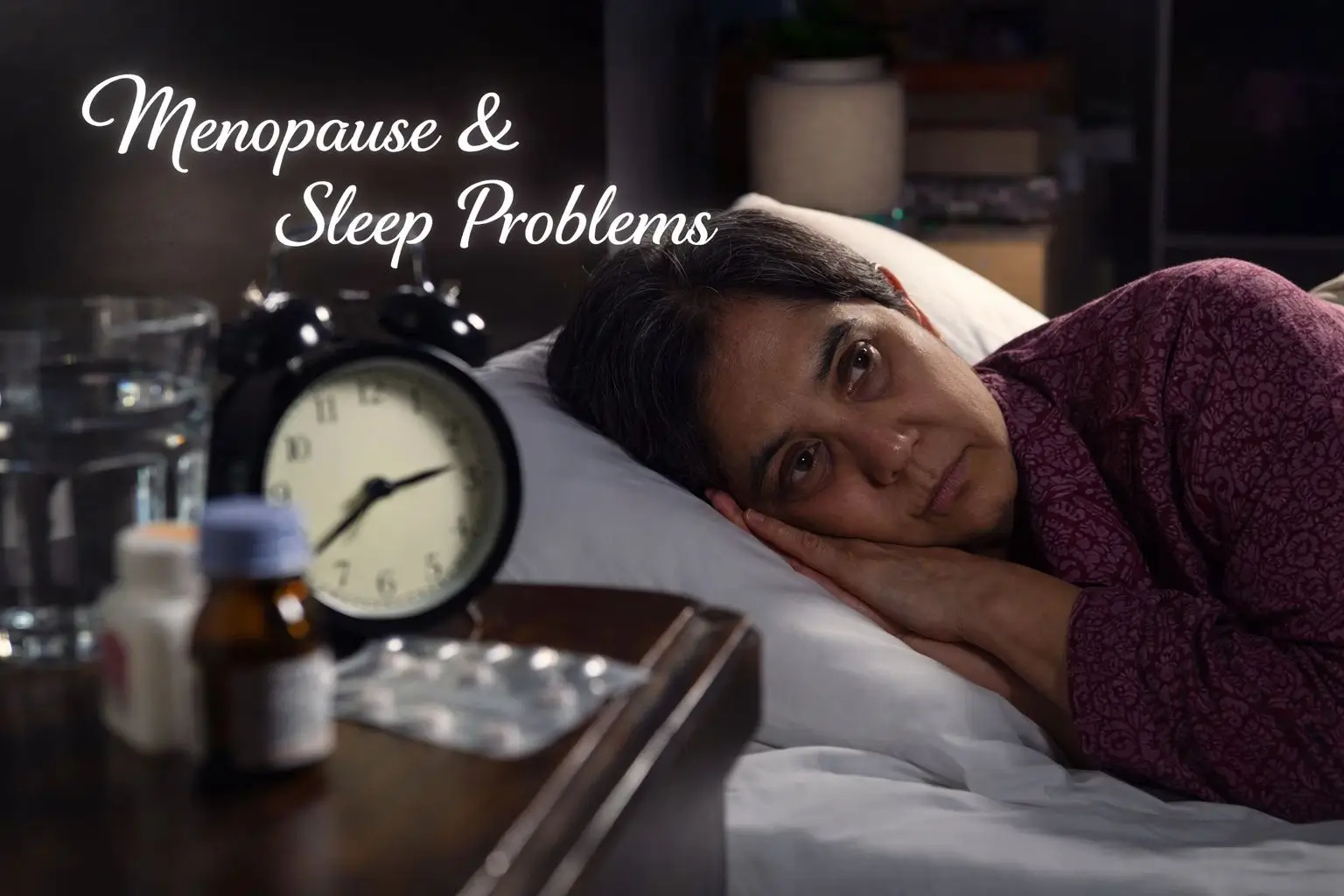
One of the most overlooked period stop symptoms is poor sleep.
Women often report:
Difficulty falling asleep
Night waking without cause
Early morning awakenings
Sleep disruption is closely tied to declining progesterone, a naturally calming hormone.
Hormones influence neurotransmitters like serotonin and dopamine.
As periods become irregular, many women experience:
Anxiety or restlessness
Irritability
Low mood or emotional overwhelm
These shifts are biological, not personal weakness.
Persistent tiredness, even with adequate rest, is common during hormonal transition.
Estrogen supports mitochondrial energy production. Fluctuations can lead to reduced stamina and slower recovery.
Weight gain is not always about calories.
Many women notice:
Increased abdominal fat
Loss of muscle tone
Slower metabolism
This reflects changes in insulin sensitivity and estrogen’s role in fat storage.
Difficulty concentrating, forgetfulness, and mental fatigue are frequently reported period stop symptoms.
Estrogen plays a key role in memory, verbal fluency, and cognitive sharpness.
Lower estrogen affects vaginal tissue elasticity and lubrication.
This can lead to:
Discomfort
Reduced libido
Urinary changes
These symptoms are common, treatable, and should never be dismissed.
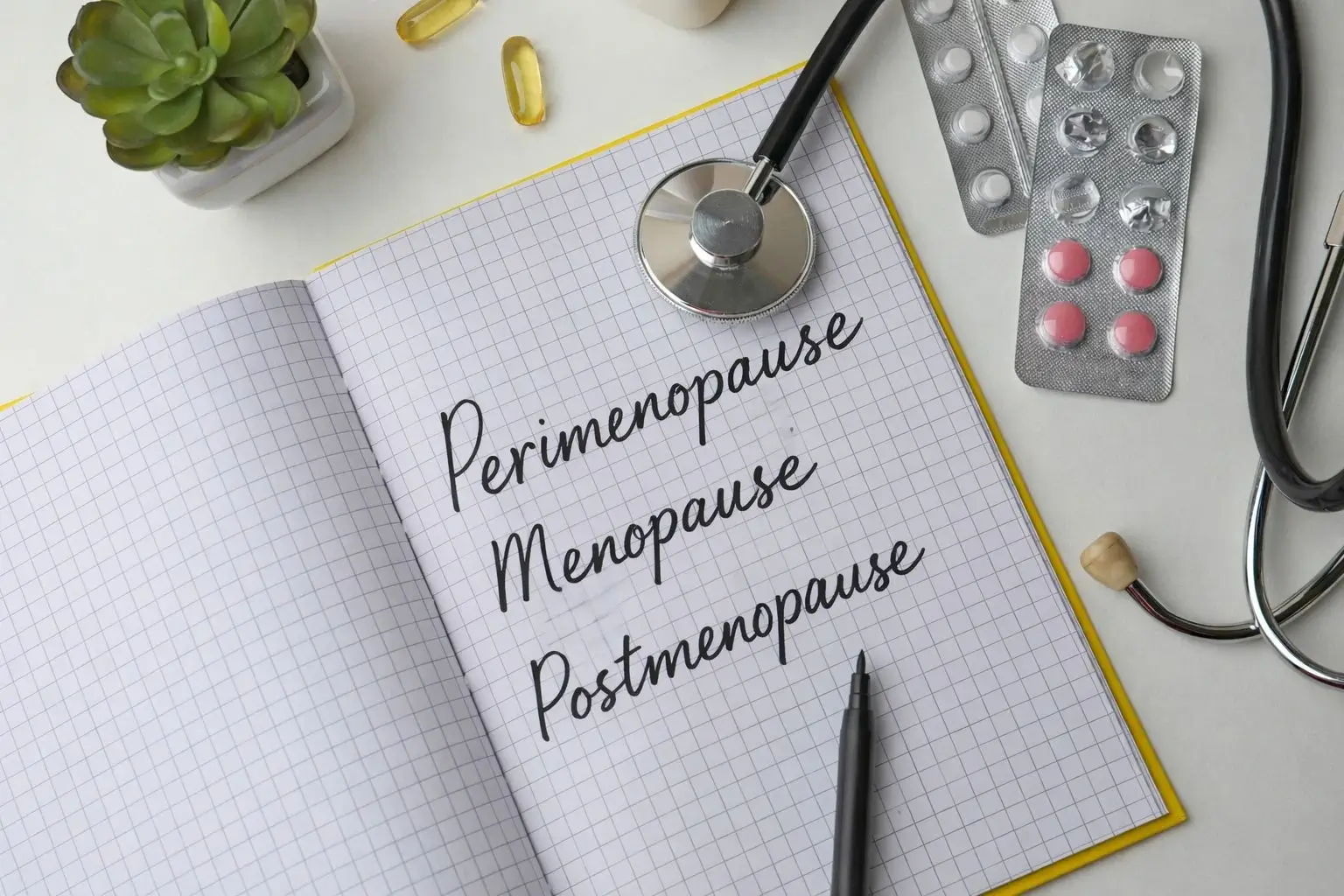
| Phase | What’s Happening |
|---|---|
| Perimenopause | Hormones fluctuate, periods become irregular |
| Menopause | Periods stop completely for 12 consecutive months |
| Postmenopause | Hormones stabilise at lower levels |
Most period stop symptoms occur during perimenopause, not after menopause itself.
Period stop symptoms are typically considered part of a natural transition when:
You are over 40
Symptoms develop gradually
There are no severe red flags like heavy bleeding or pain
Consult a healthcare provider if:
Periods stop suddenly before age 40
Bleeding becomes very heavy or prolonged
You experience severe pain or unexplained weight loss
Symptoms affect daily functioning or mental health
Your cycle is a vital sign. Its absence carries information.
(MNT).
| Hormone | Change During Transition | Impact |
|---|---|---|
| Estrogen | Fluctuates then declines | Bones, brain, heart, skin |
| Progesterone | Declines earlier | Sleep, anxiety, calm |
| Testosterone | Gradual decline | Muscle, libido, energy |
This is why period stop symptoms feel systemic rather than isolated.
Evidence-based support includes:
Nutrient dense nutrition
Strength training and gentle movement
Stress regulation
Sleep prioritisation
Medical guidance when needed
Hormonal health is not about “pushing through.”
It is about intelligent adaptation.
At Miror, we believe that period stop symptoms are not signs of decline. They are signals of transition. Your body is not breaking down. It is recalibrating.
Understanding these changes becomes easier when women have access not only to medical science, but also to shared experience, expert guidance, and a supportive environment.
And when questions arise, community becomes essential.
The Miror Community is a trusted, judgement-free space where women navigating hormonal transitions, including perimenopause, menopause, PCOS, etc., can learn, share, and access expert-led support. It is a place where confusion is replaced with clarity, and isolation is replaced with reassurance.
Women can explore structured hormonal support through Miror’s evidence-based programs and personalised guidance:
I. Book a Free Hormonal Consultation: https://miror.in/free-consultation/
II. Join the Miror Community: https://miror.in/community/
Because hormonal transitions are not meant to be navigated alone. With the right support, information, and care, this phase can become one of renewed strength, stability, and confidence.
A changing cycle is not a loss of womanhood.
It is an evolution of it.
When women understand period stop symptoms early, they protect not only their hormones, but their bones, brain, heart, and future quality of life.
At Miror, we are committed to helping women navigate this transition with science, dignity, and care.
Because informed women do not fear change.
They meet it prepared.
The earliest period stop symptoms usually include irregular cycles, skipped periods, changes in bleeding flow, sleep disturbances, and mood fluctuations. Many women also notice fatigue, hot flashes, or brain fog as hormone levels begin to fluctuate during perimenopause. These changes often develop gradually rather than suddenly.
Period stop symptoms most commonly begin between ages 40 and 50, although some women may notice hormonal changes in their late 30s. This phase, called perimenopause, can last several years before periods stop completely and menopause is reached.
Period stop symptoms are a normal part of hormonal transition, especially during perimenopause. However, you should consult a doctor if periods stop suddenly before age 40, bleeding becomes extremely heavy, or symptoms significantly affect daily life. Early evaluation helps rule out underlying medical conditions.
Period stop symptoms can last anywhere from a few months to several years. The duration varies depending on individual hormonal patterns, overall health, and lifestyle. Most symptoms gradually stabilise after menopause, when hormones reach a new steady state.
Yes. Lifestyle changes such as regular strength training, balanced nutrition, quality sleep, and stress management can significantly reduce period stop symptoms. Supporting hormonal health through medical guidance and evidence-based supplementation may also help improve energy, mood, and overall wellbeing.


 ×
×