
Protein is one of those things most women know they probably need more of.
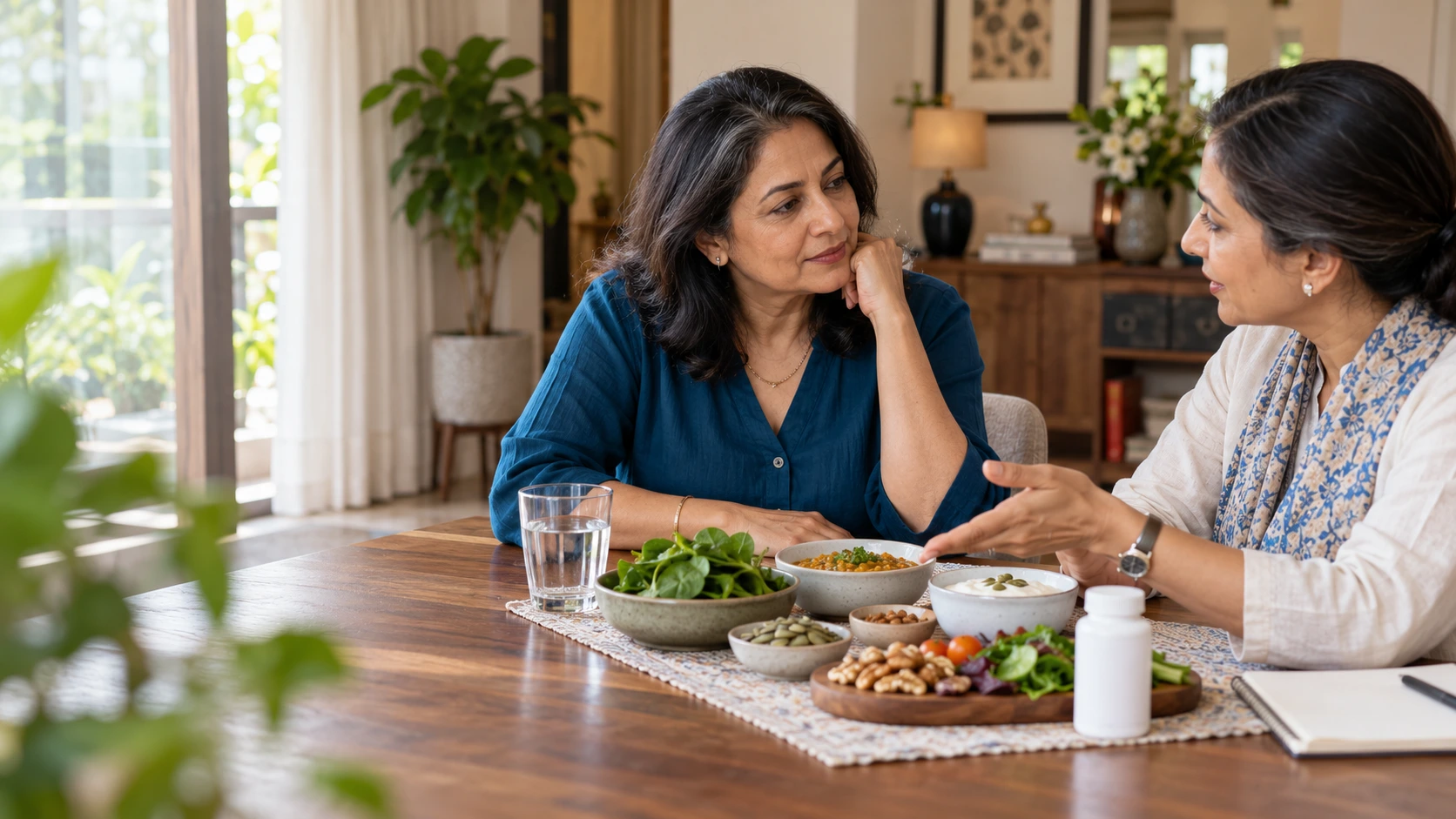
And yet, when I ask this during consultations:
“How much protein do you think you’re getting in a day?”
There’s usually a pause.
Not because someone is doing something wrong.
More because no one has really broken it down in a way that feels… doable.
After 40, this question becomes a little more relevant.
Not urgently. Not dramatically.
But in a quiet, steady way that starts showing up in how your body feels day to day.
This is exactly why understanding protein needs for women above 40 becomes important—not as a strict diet rule, but as part of maintaining strength, recovery, and day-to-day energy.
Why this starts to matter more now
Some of the changes that begin in your 40s aren’t always obvious at first.
They build slowly.
You might notice:
- You feel a little weaker than before
- Recovery takes longer
- Energy dips feel sharper on some days
- Weight distribution changes slightly, even without major lifestyle shifts
A lot of this comes down to muscle.
We naturally start losing muscle mass with age, and hormonal changes—especially fluctuations in estrogen make it slightly harder for the body to maintain it.
This isn’t something you feel overnight.
But over time, it does affect strength, metabolism, and overall resilience.
And that’s where protein comes in, not as a trend, but as basic support.
In fact, protein needs for women above 40 are often higher than what many women assume, simply because the body becomes less efficient at preserving muscle as age and hormonal shifts progress.
What protein is really doing for you
It’s easy to reduce protein to “muscle building,” but that’s only part of the picture.
Protein plays a role in:
- Repairing and maintaining muscle tissue
- Supporting bone health
- Helping your body recover from daily stress
- Keeping you full for longer, so energy doesn’t spike and crash
In a very practical sense, it helps your body feel a little more stable.
And that stability becomes more valuable as your hormones fluctuate.
How Much Protein Is Enough? Understanding Protein Needs for Women Above 40
This is where most confusion comes in.
A general guideline that works for many women above 40 is:
Around 1.0 to 1.2 grams of protein per kilogram of body weight per day
Current clinical nutrition research on healthy aging also suggests that protein intake slightly above the basic minimum helps support muscle maintenance and physical function more effectively as women grow older.
So if someone weighs:
- 60 kg → roughly 60–72 grams per day
- 70 kg → roughly 70–84 grams
This isn’t a rigid target.
Some days will be higher, some lower. That’s okay.
What tends to matter more, in practice, is whether protein is showing up regularly in your meals not just occasionally.
The pattern I see most often
If I had to point out one common issue, it’s this:
Protein is either missing or pushed too late into the day.
A typical pattern looks like:
- Morning: tea, maybe toast or something light
- Lunch: some dal or sabzi
- Dinner: slightly heavier meal
By the end of the day, total intake is still low.
But even when it isn’t, having most of your protein in one meal doesn’t help as much as spreading it out.
The body uses protein better when it’s given in smaller, consistent amounts.
So instead of thinking, “Did I hit my number today?”
it often helps to think, “Did I include some protein in each meal?”
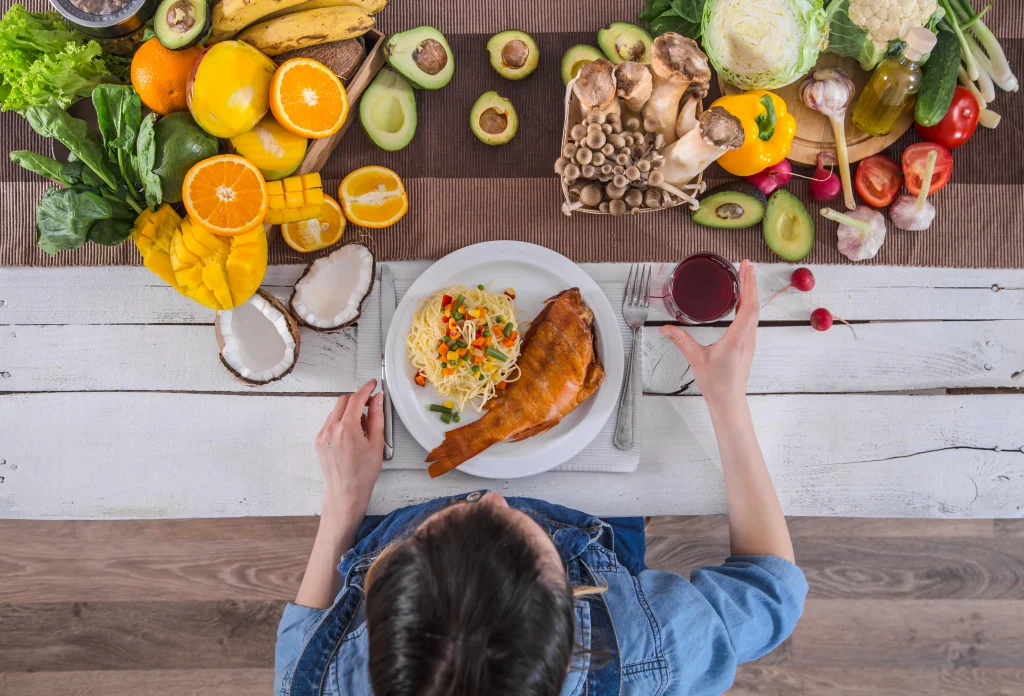
What this looks like in real, everyday meals
You don’t need to overhaul your diet or start eating very differently.
Most Indian meals already have the building blocks.
It’s just about being a little more intentional.
For example:
Breakfast:
- Moong dal chilla
- Eggs with roti
- Besan cheela with curd
(Instead of just tea + something light)
Lunch:
- Dal + sabzi + roti
- Chicken or fish + rice + vegetables
Evening:
- Roasted chana
- A handful of nuts
- Curd
Dinner:
- Paneer sabzi + roti
- Khichdi with added dal
- A light soup with a protein source
Nothing here is complicated.
It’s more about including, not restricting.
A few things women often worry about
“Will more protein make me gain weight?”
In most cases, no. If anything, it tends to help regulate appetite and prevent constant snacking.
“I don’t work out—do I still need this?”
Yes. Protein isn’t only for people who go to the gym. It’s essential for maintaining muscle, especially as the body naturally starts losing it.
“Is vegetarian protein enough?”
It can be—if you’re combining foods well and including enough variety.
A more realistic way to think about it
You don’t have to track every gram.
And you don’t have to get it “perfect.”
What helps more is building a pattern where protein is simply part of your meals; consistently, without overthinking it.
Because when intake stays low for a long time, the effects don’t show up immediately.
They show up gradually:
- Lower energy
- Reduced strength
- Slower recovery
- Changes in body composition
On the other hand, when your body is getting enough, regularly, you may notice small shifts in the opposite direction.
Nothing dramatic. But enough to feel different.
Final thought
After 40, your body isn’t asking for extremes.
It’s asking for support that is steady and sustainable.
Meeting your protein needs for women above 40 does not require dramatic food changes—just a more consistent awareness of what your body now needs each day. It is one small but important part of supporting strength, energy, and healthy aging.
Not something to obsess over but something to include, consistently, in a way that fits into your everyday life.
This is also why broader nutritional support becomes essential for women navigating the physical changes that come with midlife and menopause
If you’re trying to make sense of nutrition during this phase and want guidance that feels practical and realistic, the Miror community is a space where you can learn, ask questions, and explore what works for you.
FAQs
Yes. As women age, the body naturally begins to lose lean muscle mass. If daily protein intake stays consistently low, this process can become faster, leading to reduced strength, lower stamina, and slower physical recovery over time.
Spreading protein intake across breakfast, lunch, snacks, and dinner is generally more effective than consuming most of it in one meal. This helps the body use protein more efficiently for muscle repair, satiety, and steady energy levels.
Paneer, curd, Greek yogurt, tofu, soy chunks, lentils, chickpeas, moong dal, rajma, nuts, seeds, and quinoa are simple vegetarian foods that can help improve daily protein intake when included regularly.
Yes. Protein is not only important for workouts. It also supports tissue repair, bone health, immunity, muscle preservation, and overall physical function, all of which become increasingly important with age.
Adequate protein intake may help women maintain lean muscle while improving fullness and reducing unnecessary snacking. Over time, this can support healthier body composition and better weight management after 40.