

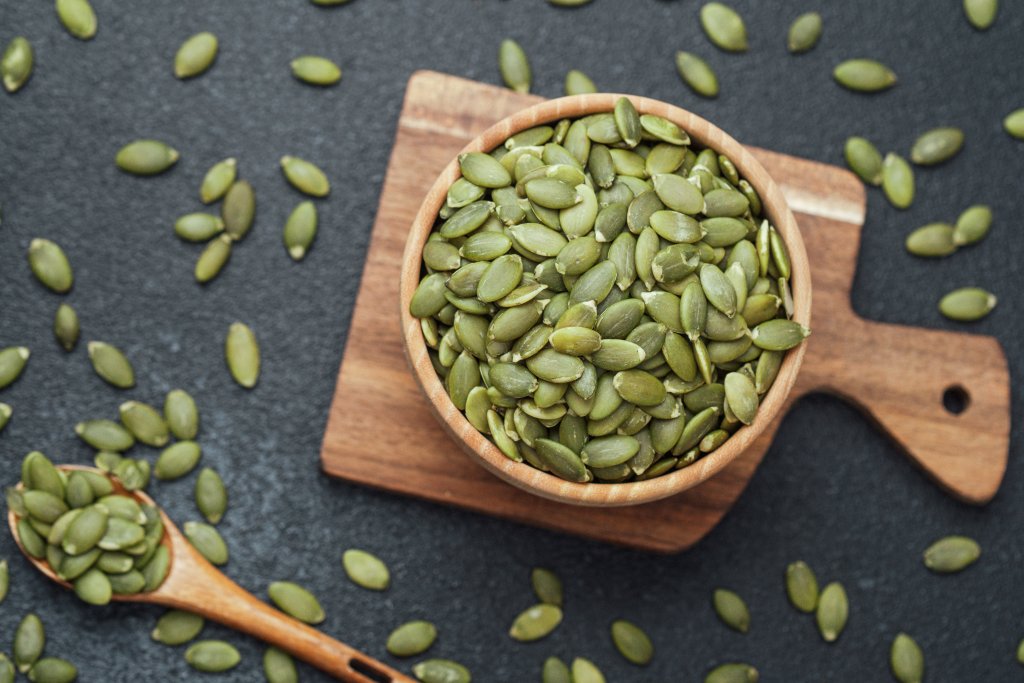
Pumpkin seeds may be small, but they are packed with nutrients that can make a meaningful difference to women’s health. From supporting hormones and bone health to improving sleep, heart health, and immunity, these tiny green seeds deserve a place in your daily diet.
Whether you’re in your 20s, navigating pregnancy, experiencing perimenopause, or adjusting to menopause, the pumpkin seeds benefits for women extend far beyond being a healthy snack. Rich in magnesium, zinc, iron, healthy fats, antioxidants, and plant protein, pumpkin seeds offer a natural way to nourish your body.
In this guide, we’ll explore the science-backed pumpkin seeds benefits for women, how to include them in your meals, and why supplements may sometimes be a helpful addition.
Why Are Pumpkin Seeds So Good for Women?
Pumpkin seeds, also known as pepitas, are loaded with nutrients that women often need more of throughout different life stages.
A single serving (around 28 grams) provides:
- Magnesium
- Zinc
- Iron
- Healthy omega-3 and omega-6 fats
- Plant-based protein
- Fibre
- Vitamin E
- Antioxidants
Together, these nutrients support everything from hormone balance and energy levels to bone strength and immune health.
Top Pumpkin Seeds Benefits for Women
1. Supports Hormonal Health
One of the biggest pumpkin seeds benefits for women is their role in supporting hormone health.
Pumpkin seeds contain healthy fats and zinc, both of which are involved in hormone production and regulation. While no single food can “balance hormones,” including nutrient-dense foods like pumpkin seeds can support the body’s natural hormone function alongside a balanced diet, exercise, quality sleep, and stress management.
Women going through perimenopause and menopause may also benefit from eating foods rich in magnesium and healthy fats, which support overall wellbeing during this life stage.
2. Rich in Magnesium for Better Sleep and Stress Management
Many women don’t meet their daily magnesium requirements.
Magnesium helps regulate nerve function, muscle relaxation, and sleep quality. It also plays a role in energy production and stress response.
Since pumpkin seeds are one of the richest natural sources of magnesium, regularly including them in your diet may help support restful sleep and reduce feelings of fatigue.
3. Helps Maintain Strong Bones
Bone health becomes increasingly important as women age, especially after menopause when estrogen levels decline.
Pumpkin seeds provide magnesium, phosphorus, and zinc, nutrients that work together to support healthy bones. Although calcium often gets the spotlight, these minerals are equally important for maintaining bone density and reducing the risk of osteoporosis.
For the best results, pair pumpkin seeds with calcium-rich foods and adequate vitamin D.
4. Supports Heart Health
Heart disease is one of the leading health concerns for women.
Pumpkin seeds contain unsaturated fats, antioxidants, magnesium, and plant sterols that support cardiovascular health. They may help maintain healthy blood pressure and cholesterol levels when included as part of a heart-friendly diet.
Replacing processed snacks with a handful of pumpkin seeds is a simple change that benefits both heart health and overall nutrition.
5. Provides Plant-Based Protein
Protein is essential for maintaining muscle mass, repairing tissues, and supporting metabolism.
One serving of pumpkin seeds contains approximately 8–9 grams of plant protein, making them an excellent option for vegetarians and anyone looking to increase their protein intake.
Adequate protein becomes particularly important during perimenopause and menopause, when women naturally begin to lose muscle mass.
6. Helps Improve Iron Intake
Iron deficiency is one of the most common nutritional deficiencies among women, particularly during the reproductive years.
Pumpkin seeds provide a valuable source of plant-based iron that contributes to healthy red blood cell production and energy levels.
To improve iron absorption, enjoy pumpkin seeds alongside vitamin C-rich foods like oranges, berries, or bell peppers.
7. Supports Immune Function
Another important pumpkin seeds benefits for women is immune support.
Pumpkin seeds are naturally rich in zinc, a mineral that helps maintain a healthy immune system and supports wound healing.
Even mild zinc deficiency can affect immunity, making zinc-rich foods an important part of everyday nutrition.
8. Good for Skin and Hair
Healthy skin starts from within.
Pumpkin seeds contain vitamin E, zinc, healthy fats, and antioxidants that help protect cells from oxidative stress.
These nutrients support skin health while contributing to healthy hair growth and stronger nails.
Although pumpkin seeds aren’t a miracle beauty food, they can certainly contribute to healthier skin as part of a balanced diet.
9. May Support Blood Sugar Management
The combination of protein, fibre, and healthy fats helps slow digestion and promotes steadier blood sugar levels.
Including pumpkin seeds in meals or snacks may help reduce blood sugar spikes compared to highly processed foods.
This makes them a satisfying snack option for women looking to maintain consistent energy throughout the day.
10. Supports Gut Health
Gut health influences digestion, immunity, and even overall wellbeing.
Pumpkin seeds contain dietary fibre that supports regular bowel movements and feeds beneficial gut bacteria.
Adding a variety of fibre-rich foods, including pumpkin seeds, fruits, vegetables, legumes, and whole grains, helps maintain a healthy digestive system.
Pumpkin Seeds Benefits for Women During Perimenopause and Menopause
Hormonal changes during perimenopause and menopause can affect energy, sleep, mood, muscle health, and bone density.
While pumpkin seeds cannot prevent or treat menopause symptoms, they offer nutrients that support overall health during this transition, including:
- Magnesium for sleep and muscle function
- Zinc for immune health
- Healthy fats for overall nutrition
- Protein for maintaining muscle mass
- Antioxidants that help protect cells from oxidative stress
When combined with regular exercise, a balanced diet, adequate sleep, and medical guidance where appropriate, pumpkin seeds can be a valuable addition to a menopause-friendly eating pattern.
How Much Pumpkin Seeds Should Women Eat Daily?
A healthy serving is approximately 1–2 tablespoons (20–30 grams) per day.
This amount provides beneficial nutrients without adding excessive calories.
Choose unsalted, roasted, or raw pumpkin seeds whenever possible to maximise their nutritional value.
Easy Ways to Add Pumpkin Seeds to Your Diet
Adding pumpkin seeds to your meals is easier than you think.
Try them:
- Sprinkled over salads
- Mixed into overnight oats
- Added to smoothies
- Blended into homemade pesto
- Stirred into yogurt
- Mixed with homemade trail mix
- Added to soups
- Sprinkled over roasted vegetables
- Baked into whole-grain muffins
- Combined with nuts for a healthy snack
Small daily habits often make the biggest difference over time.
Can Pumpkin Seed Supplements Help?
While whole pumpkin seeds provide fibre, healthy fats, protein, and a variety of nutrients, some women may benefit from supplements in specific situations.
For example, supplements containing magnesium, zinc, omega-3 fatty acids, or vitamin D may be recommended if dietary intake is inadequate or a deficiency has been identified.
Pumpkin seed oil supplements are also available and have been studied for potential benefits related to urinary health and general wellness. However, supplements should complement, not replace, a nutrient-rich diet.
Before starting any supplement, it’s best to consult a healthcare professional or registered dietitian to determine what is appropriate for your individual needs.
Are There Any Side Effects?
Pumpkin seeds are safe for most people when eaten in moderation.
However:
- They are calorie-dense, so portion control is important.
- Salted varieties can contribute to excess sodium intake.
- People with seed allergies should avoid them.
- Eating very large amounts may cause digestive discomfort due to their fibre content.
As with any food, balance is key.
The pumpkin seeds benefits for women go far beyond being a crunchy topping for salads. These nutrient-rich seeds provide magnesium, zinc, iron, healthy fats, protein, fibre, and antioxidants that support overall health through every stage of life.
Whether your goal is to improve your nutrition, support heart and bone health, maintain muscle, or simply choose healthier snacks, pumpkin seeds are an easy and versatile addition to your diet.
Remember, no single food can transform your health overnight. Lasting wellbeing comes from a balanced eating pattern, regular physical activity, quality sleep, stress management, and personalised healthcare when needed. Think of pumpkin seeds as one small but powerful piece of that bigger picture.
FAQs
Pumpkin seeds are rich in magnesium, zinc, iron, healthy fats, plant protein, and antioxidants, making them a nutrient-dense food for women. They support bone health, heart health, immunity, energy production, and muscle maintenance. Including them regularly as part of a balanced diet can help women meet important nutrient needs throughout different stages of life.
Pumpkin seeds contain nutrients like healthy fats, magnesium, and zinc that play a role in normal hormone production and overall health. While they cannot "balance hormones" on their own or treat hormonal disorders, they can be part of a healthy eating pattern that supports hormone function alongside regular exercise, quality sleep, and stress management.
Yes. Pumpkin seeds provide nutrients such as magnesium, protein, zinc, and antioxidants that support overall health during perimenopause and menopause. They may help women meet increased nutritional needs for bone health, muscle maintenance, and general wellbeing. However, they should be viewed as part of a balanced lifestyle rather than a treatment for menopause symptoms.
A serving of about 1–2 tablespoons (20–30 grams) of pumpkin seeds per day is generally considered a healthy amount. This portion provides beneficial nutrients while keeping calorie intake in check. Choose unsalted, raw, or dry-roasted pumpkin seeds whenever possible for the healthiest option.
Pumpkin seeds can support healthy weight management because they contain protein, fibre, and healthy fats that help keep you feeling fuller for longer. While they aren't a weight-loss food on their own, replacing processed snacks with a moderate portion of pumpkin seeds may help improve overall diet quality and reduce unnecessary snacking.