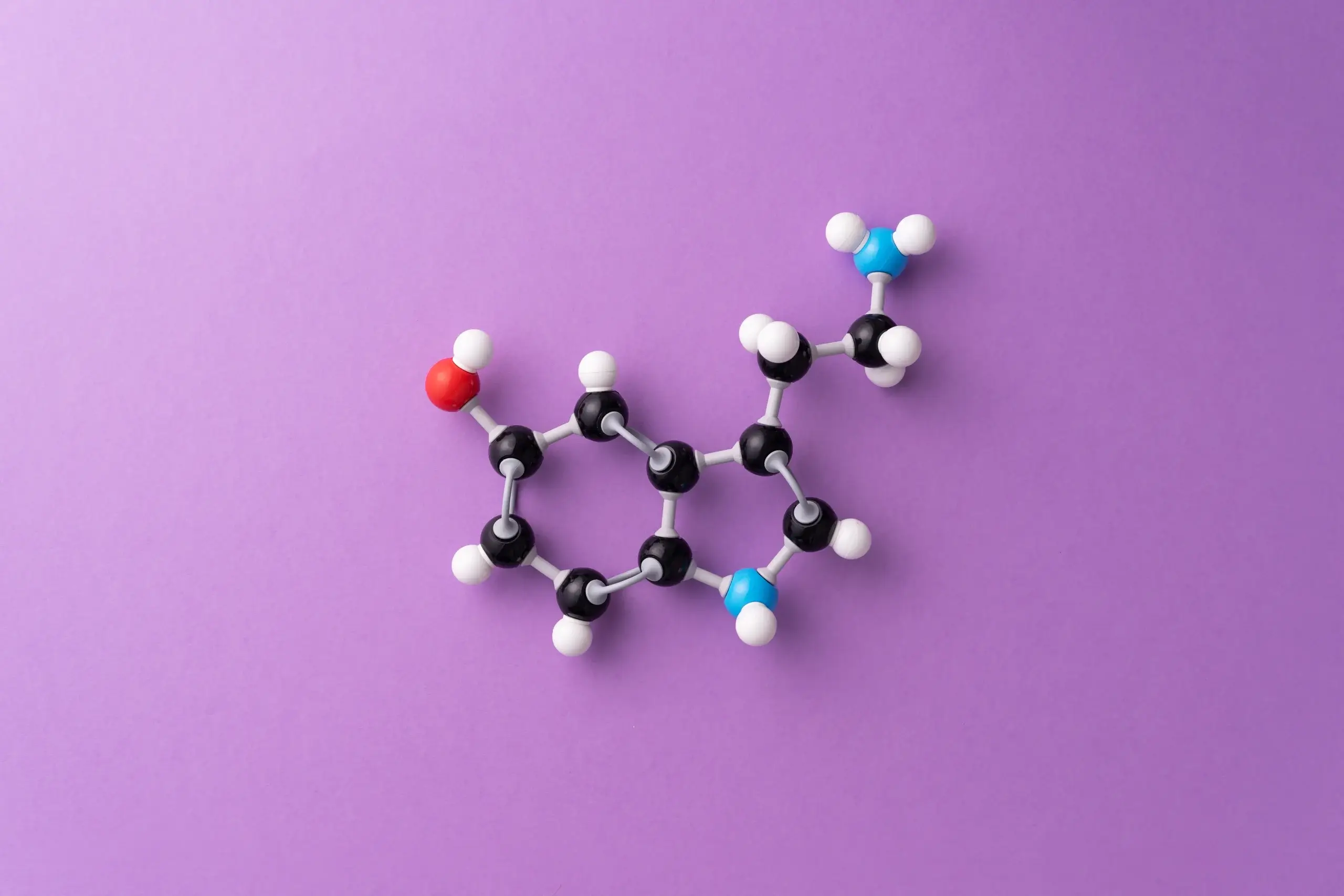


If your periods have started feeling unpredictable—heavier, earlier, or accompanied by unexplained spotting—it might not just be “one of those months.” These changes can often be traced back to low progesterone symptoms, a common but often overlooked hormonal imbalance in women.
Progesterone plays a quiet but powerful role in regulating your menstrual cycle, supporting fertility, and maintaining emotional balance. When levels drop, the body begins to send subtle—and sometimes not-so-subtle—signals.
In this blog, we’ll explore how low progesterone symptoms show up, especially through heavy periods, spotting, and cycle irregularity, and what your body might be trying to tell you.
Progesterone is a hormone primarily produced after ovulation during the second half of your menstrual cycle (luteal phase). Its main role is to prepare the uterus for pregnancy and regulate the menstrual cycle.
When progesterone levels drop, estrogen can become relatively dominant—leading to many low progesterone symptoms.
Low progesterone doesn’t always show up dramatically. Instead, it often appears as everyday menstrual issues that are easy to dismiss.
One of the most common low progesterone symptoms is unusually heavy menstrual bleeding. Without enough progesterone to regulate the uterine lining, it can thicken excessively and shed heavily.
What it may feel like:
Unexpected spotting—especially mid-cycle or before your period—can signal hormonal imbalance.
Low progesterone may cause:
If your cycle length keeps changing, it may point to inconsistent ovulation—often linked to low progesterone.
Signs include:
Understanding the root cause is key to managing low progesterone symptoms effectively.
As women approach menopause, ovulation becomes irregular, leading to reduced progesterone production.
Stress increases cortisol, which can interfere with progesterone production.
Thyroid Imbalance
An underactive thyroid can disrupt ovulation and hormone balance.
Women with PCOS may not ovulate regularly, resulting in low progesterone levels.
Low progesterone often doesn’t exist in isolation. It frequently leads to a state called estrogen dominance, where estrogen outweighs progesterone.
This imbalance can worsen:
Balancing both hormones—not just increasing progesterone—is essential.
Many women normalize these symptoms, assuming they’re just part of aging or stress. But over time, low progesterone symptoms can impact:
Listening to these signs early can prevent long-term complications.
If you suspect low progesterone symptoms, proper testing is important.
Typically done during the luteal phase (around day 21 of your cycle).
Cycle Tracking
Apps and journals can help identify irregular patterns.
These may include estrogen, progesterone, thyroid hormones, and cortisol.
The good news? Low progesterone symptoms are manageable with the right approach.
Key nutrients that support progesterone:
Certain herbs like chasteberry (Vitex) may support hormone balance.
Seek medical advice if you experience:
Early intervention can help restore hormonal balance more effectively.
Early low progesterone symptoms often include mild spotting before periods, shorter cycles, and mood changes. Many women overlook these signs because they seem minor at first. However, they can gradually progress into heavier bleeding and irregular cycles if left unaddressed.
Yes, consistently heavy periods are one of the most common low progesterone symptoms. Without enough progesterone to stabilize the uterine lining, it can overgrow and shed more heavily, leading to prolonged and intense bleeding during menstruation.
Not always, but it is a frequent cause. Spotting can result from hormonal fluctuations, especially when progesterone levels drop too early in the cycle. However, infections or other conditions should also be ruled out by a healthcare provider.
Yes, progesterone is essential for preparing the uterus for pregnancy. Low levels can make implantation difficult, increasing the risk of infertility or early miscarriage. Addressing hormone imbalance can significantly improve reproductive health outcomes.
Lifestyle changes like reducing stress, improving sleep, and maintaining a nutrient-rich diet can support hormone balance. Supplements and herbal remedies may also help, but it’s best to consult a healthcare professional for a personalized plan.

 ×
×