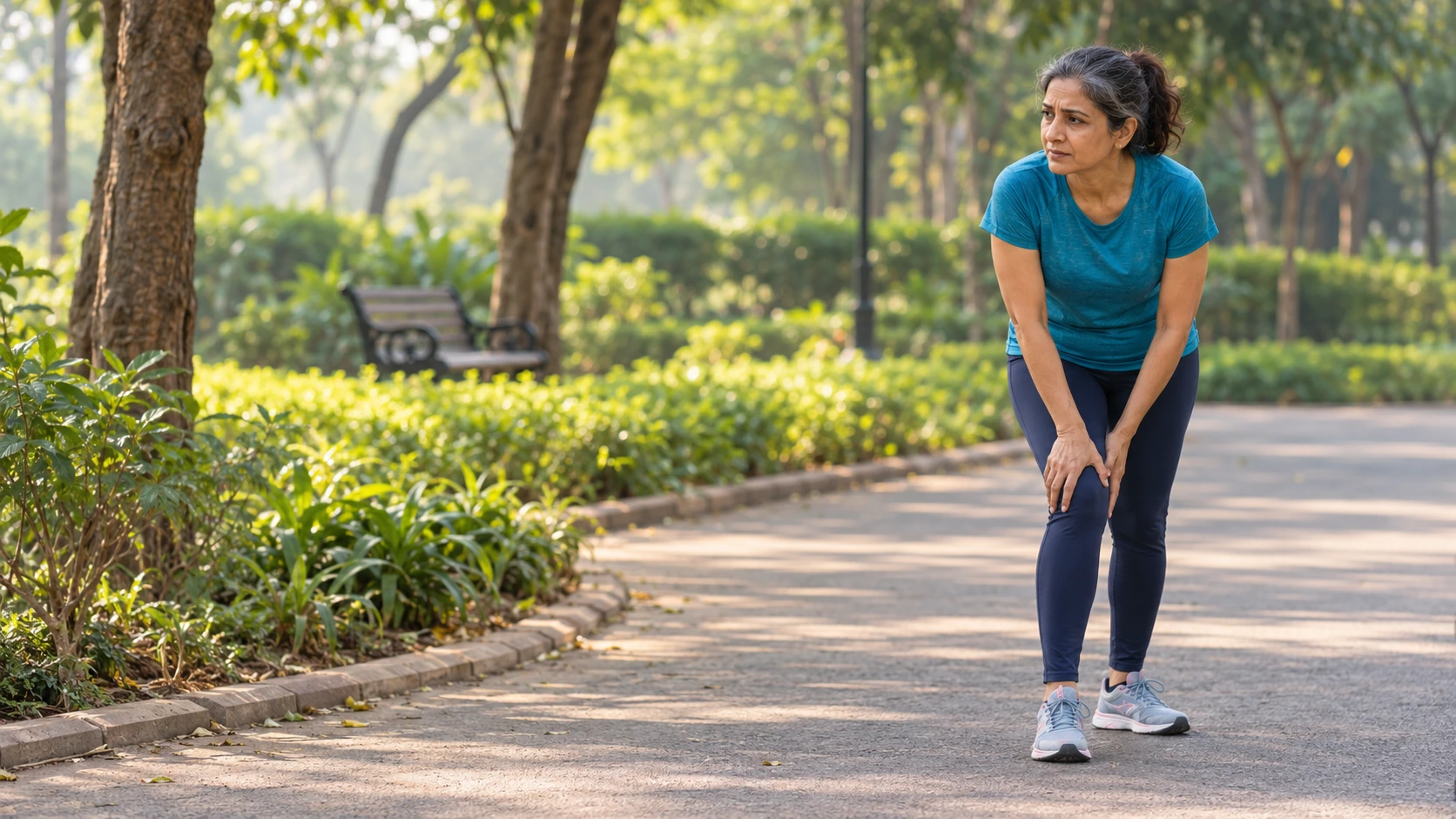

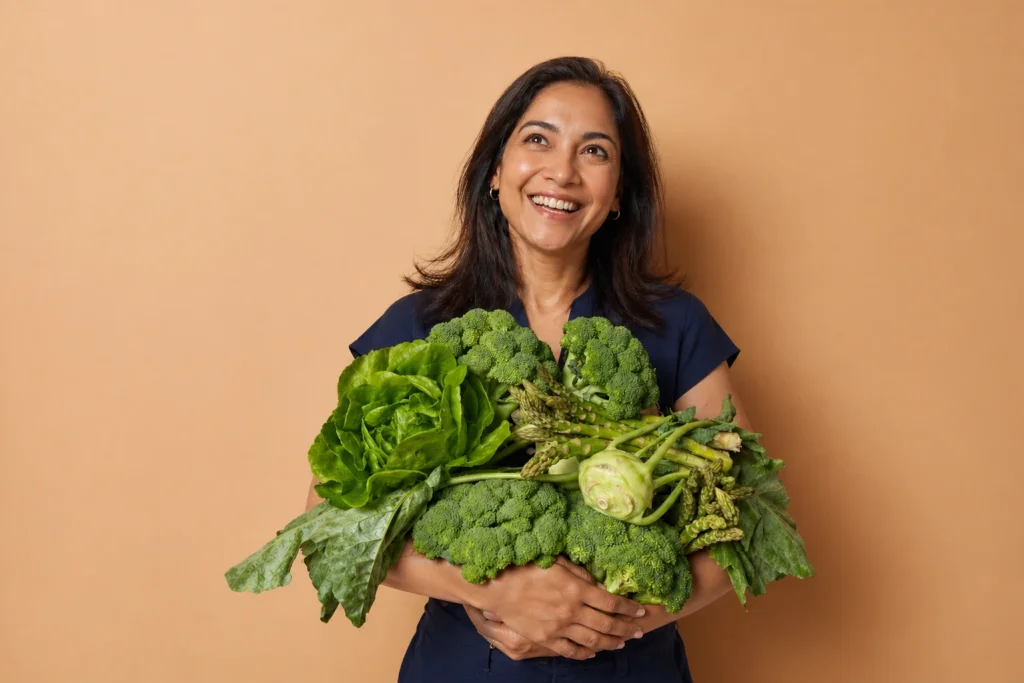
Hormonal bloating is one of those symptoms that’s easy to dismiss, but surprisingly hard to live with. It doesn’t always show up dramatically.
Sometimes, it’s just a quiet heaviness, your clothes feeling tighter by evening, or a sense that your body isn’t quite as comfortable as it used to be.
If you’re navigating perimenopause bloating, you may have already noticed a pattern. Some days feel completely normal. And then, without any obvious reason, the bloating returns.
Many women I speak to find this confusing.
They haven’t changed their diet much. They aren’t eating differently. And yet, their body feels different.
(MSN).
That’s because during this phase, it often isn’t just about food.
What’s Actually Changing Inside the Body
Perimenopause is a time of hormonal fluctuation, not a steady decline. Estrogen and progesterone levels shift unpredictably. These shifts are one of the biggest reasons hormonal bloating becomes more noticeable during this phase and during menopause even. And while we often associate these hormones with reproductive health, they also play a quiet but important role in digestion.
During hormonal changes, your body may:
Experience slower digestion
Retain more water
Become more sensitive to certain foods
So bloating during hormonal changes isn’t random. It’s your body responding to internal shifts that aren’t always visible, but are very real.
The good news? You don’t need extreme diets or complicated fixes.
Often, small food choices can significantly reduce bloating naturally.
(Healthline).
7 Foods That Reduce Bloating During Hormonal Changes
1. Warm, Cooked Meals:
Meals like khichdi, dals, soups, and lightly cooked vegetables tend to sit more comfortably in the body compared to heavy or overly raw foods. This doesn’t mean avoiding salads completely. But during phases when digestion slows, warmth and simplicity help.
2. Curd and Buttermilk (Natural Probiotics):
For frequent bloating, gut health is often the starting point. Curd and chaas support gut bacteria in a gentle, sustainable way. Not instantly, but consistently.
3. Hydrating Foods for Water Balance:
Sometimes bloating feels like puffiness rather than gas.
Foods that support fluid balance include:
Coconut water
Bananas
Light, water-rich fruits
These help reduce water retention over time.
4. Digestive Spices You Already Use:
Indian kitchens already hold powerful digestive aids:
Jeera (cumin)
Saunf (fennel)
Ginger
Even small additions, like jeera water or saunf after meals, can help reduce bloating.
5. Adequate Hydration:
Hydration sounds basic but it’s critical.
When the body lacks fluids, it holds on to water, which can worsen bloating. Sip water through the day instead of drinking large amounts at once.
6. Light, Balanced Meals:
Eating lighter meals helps prevent digestive overload. Instead of heavy combinations, balanced meals support smoother digestion and reduce bloating triggers.
7. Traditional, Simple Diet Patterns:
Many traditional Indian meals are naturally aligned with gut-friendly, anti-bloating foods. Simple, home-cooked food often works better than complex, processed diets.
(Womaness).
Quick View: Foods That Help vs Foods That Trigger Bloating
| Helps Reduce Bloating | May Increase Bloating |
|---|---|
| Warm cooked meals | Processed salty snacks |
| Curd & buttermilk | Carbonated drinks |
| Coconut water | Excess sugar |
| Bananas | Heavy oily meals |
| Jeera, saunf, ginger | Late-night heavy eating |
Foods That May Need a Second Thought
This isn’t about restriction, it’s about awareness.
Some foods can make perimenopause bloating more noticeable:
Very salty packaged foods
Fizzy drinks
Excess sugar
Heavy meals late at night
You don’t need to eliminate them. Just notice how your body responds.
(A. Vogel).
Small Habits That Reduce Bloating Naturally
Food is only one part of the picture.
Simple habits that support digestion:
Eat slowly
Avoid very large meals
Take a short walk after eating
Prioritize rest
These small shifts can reduce bloating more than extreme changes.
(Cleveland Clinic).
A More Balanced Way to Look at Bloating
Bloating can feel frustrating, especially when it keeps returning. But it’s rarely your body being difficult.
More often, it’s your body asking for:
More ease
More balance
More consistency
When you respond with awareness instead of restriction, the discomfort often softens.
Not overnight but gradually, and more sustainably.
FAQs
The best foods that reduce bloating during hormonal changes include warm cooked meals like dals and soups, probiotic foods such as curd and buttermilk, hydrating options like coconut water and bananas, and digestive spices like jeera, saunf, and ginger. These foods support gut health, improve digestion, and help reduce water retention naturally.
Bloating during perimenopause happens due to fluctuating estrogen and progesterone levels, which can slow digestion, increase water retention, and make the gut more sensitive. These hormonal changes affect how your body processes food, leading to frequent bloating even without major dietary changes.
To reduce bloating naturally during hormonal changes, focus on eating warm, easy-to-digest foods, staying well-hydrated, including probiotics like curd, and using digestive spices such as ginger and fennel. Eating slowly, avoiding heavy late-night meals, and taking short walks after meals can also significantly help.
Foods that may worsen bloating during perimenopause include salty processed snacks, carbonated drinks, excess sugar, and heavy oily meals—especially at night. These foods can increase water retention and slow digestion, making bloating more noticeable.
Yes, gut health plays a major role in bloating during hormonal changes. A balanced gut microbiome helps improve digestion and reduces gas and discomfort. Including probiotic foods like curd and buttermilk, along with fiber-rich and easily digestible meals, can support gut health and reduce bloating over time.