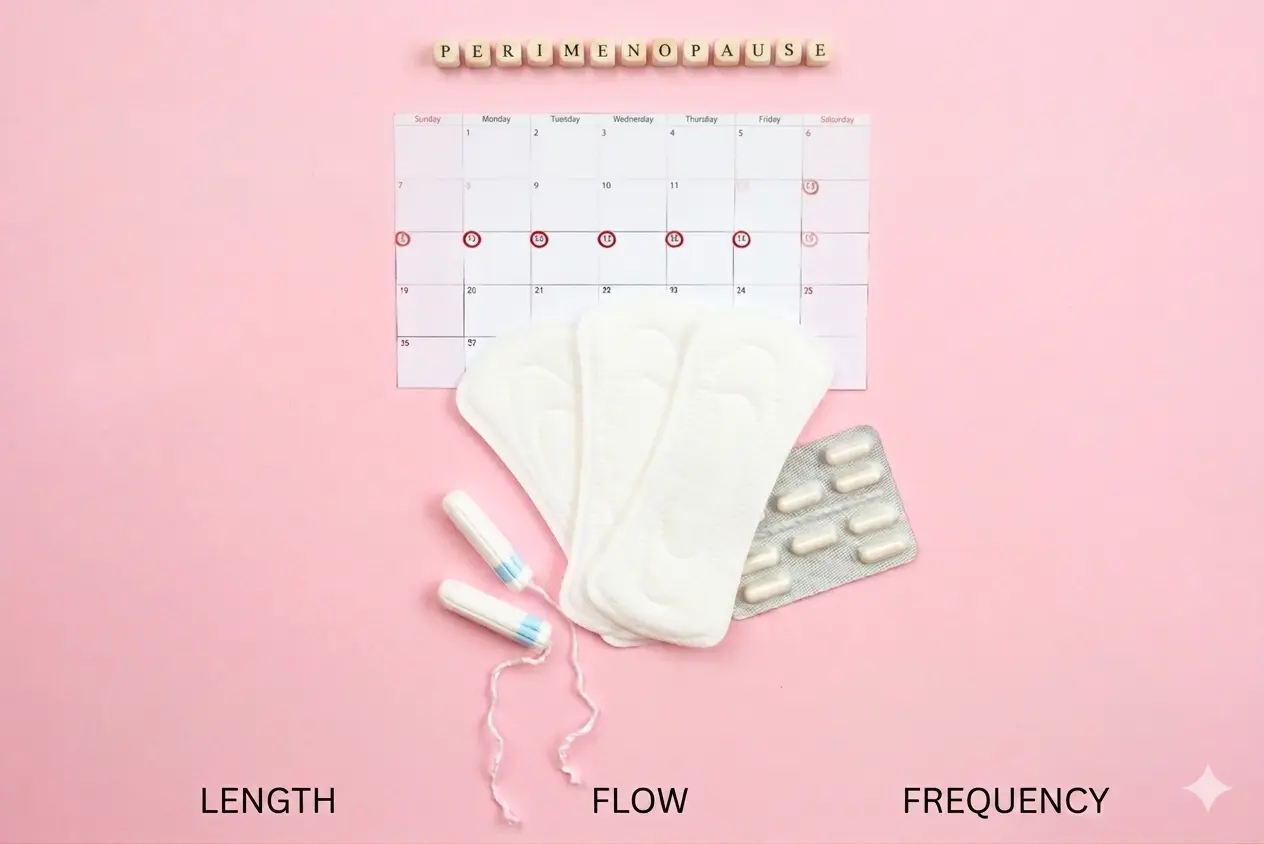


Menopause weight gain rarely arrives all at once. It shows up quietly. Your usual routine stays the same. Your diet hasn’t changed dramatically.
And yet, something feels different. Clothes fit tighter around the waist. Energy dips more easily. The body you’ve known for years begins to shift in ways that don’t feel entirely within your control.
This is where many women feel confused.
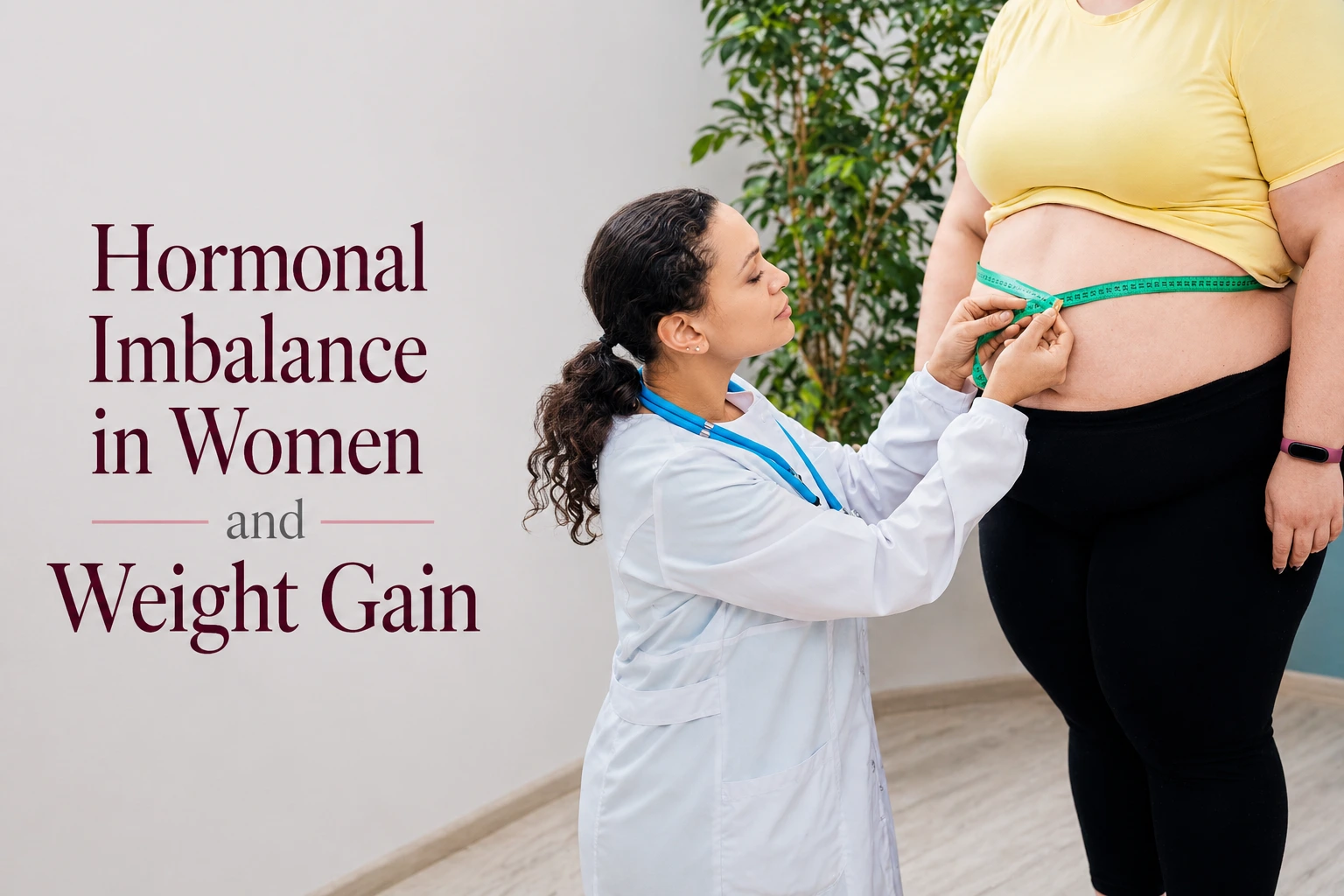
Because menopause weight gain is often treated as a simple equation of calories in and calories out. But the reality is far more layered. It is hormonal, metabolic, and deeply biological.
Understanding what is actually happening inside your body changes everything. Not just how you respond to weight gain, but how you relate to it.
Menopause is not just the end of periods. It is a full-body hormonal transition.
During this phase:
Estrogen declines
Progesterone fluctuates
Cortisol sensitivity increases
Insulin response shifts
These changes influence how your body:
Stores fat
Uses energy
Regulates appetite
The result is not just weight gain, but a change in fat distribution, especially around the abdomen.
(PMC).
Understanding menopause weight gain becomes easier when you look at each hormone individually.
Estrogen plays a protective role in metabolism and fat storage.
When estrogen declines:
Fat shifts from hips and thighs to the abdomen
Muscle mass gradually reduces
Metabolic rate slows
Clinical insight: A study published by the University of Rochester Medicine show that declining estrogen is strongly linked to increased visceral fat in midlife women.
Progesterone does not directly cause fat gain, but its fluctuation can lead to:
Bloating
Water retention
Temporary weight fluctuations
This can feel like sudden weight gain, even when fat mass hasn’t increased significantly.
Insulin sensitivity often decreases with age.
This means:
The body stores glucose more easily as fat
Cravings for sugar and refined carbs may increase
Energy crashes become more frequent
Cortisol, the stress hormone, becomes more influential during menopause.
Higher cortisol levels can:
Promote abdominal fat storage
Increase appetite
Disrupt sleep
Even subtle changes in thyroid function can affect:
Energy levels
Weight regulation
Metabolic efficiency
| Hormone | What Changes | Effect on Weight |
|---|---|---|
| Estrogen | Declines | Belly fat increases |
| Progesterone | Fluctuates | Bloating, water retention |
| Insulin | Reduced sensitivity | Fat storage increases |
| Cortisol | More reactive | Stress-related weight gain |
| Thyroid | May slow slightly | Reduced metabolism |
Menopause weight gain is not just about gaining weight.
It is about:
Where the weight appears
How difficult it feels to lose
How your body responds differently to the same habits
You may notice:
More fat around the waist
Less response to previous diets
Slower recovery after indulgence
This is not a failure of discipline. It is a shift in physiology.
Research consistently shows that managing menopause weight gain requires a slightly different approach.
Muscle mass declines with age, which affects metabolism.
Strength training helps:
Preserve lean muscle
Improve insulin sensitivity
Increase metabolic rate
Adequate protein supports:
Muscle maintenance
Satiety
Stable energy levels
Balanced meals reduce:
Energy crashes
Cravings
Excess fat storage
Poor sleep affects:
Cortisol levels
Hunger hormones
Fat storage patterns
(BHC).
Many common weight loss strategies become less effective during menopause.
Extremely low-calorie diets
Excessive cardio without strength training
Ignoring stress and sleep
Following rigid, unsustainable plans
These approaches often increase frustration rather than results.
Instead of trying to “fight” your body, it helps to work with it.
Small shifts that matter:
Eating regularly instead of skipping meals
Including protein in every meal
Moving your body consistently, not intensely
Managing stress in simple, sustainable ways
Menopause weight gain is not entirely avoidable.
But it is manageable. And more importantly, it is understandable.
When you understand the hormonal landscape, you stop blaming yourself for changes that are not entirely within your control.
Menopause weight gain is often framed as a problem to solve.
But it is also a signal.
A signal that your body is transitioning, adapting, and asking for a different kind of support. And when you respond with awareness instead of pressure, the experience begins to feel less like resistance and more like adjustment.
If you are navigating menopause weight gain and want clarity that goes beyond generic advice, the Miror community brings together real conversations, expert guidance, and practical support designed for women who want to understand their bodies, not fight them.
Menopause weight gain happens due to hormonal changes, especially a decline in estrogen, which affects metabolism, fat distribution, and insulin sensitivity. Even without increased calorie intake, the body stores more fat, particularly around the abdomen, making weight gain more noticeable in midlife women.
Yes, menopause weight gain is commonly associated with increased belly fat. Lower estrogen levels shift fat storage from the hips and thighs to the abdominal area, leading to central or visceral fat accumulation during perimenopause and menopause.
Menopause weight gain can be managed and reduced with the right approach, including strength training, balanced nutrition, improved sleep, and stress management. While hormonal changes cannot be reversed, lifestyle adjustments can significantly improve metabolism and body composition.
Menopause weight gain is influenced by multiple hormones, including estrogen, progesterone, insulin, cortisol, and thyroid hormones. These changes affect fat storage, appetite, energy levels, and metabolic rate in midlife women.
The best diet for menopause weight gain focuses on protein-rich foods, fiber, healthy fats, and stable blood sugar levels. Avoiding highly processed foods and maintaining consistent meal timing can help reduce fat storage and support hormonal balance.


 ×
×