The takeaway
A hormonal IUD is not a treatment for perimenopause, but it can be a useful option for some women during the transition. Depending on your needs, it may provide contraception, help manage heavy periods, and provide the progestogen needed to protect the uterine lining when systemic estrogen is prescribed as part of hormone therapy. The important thing is to understand what you are trying to address rather than treating an IUD as a solution for perimenopause itself.
What Happened
Hormonal IUDs are getting fresh attention as a useful option for some women in perimenopause.
An August 2026 article highlighted their role beyond contraception. For some women, a hormonal IUD may also help manage heavy bleeding and provide the progestogen needed to protect the uterine lining when estrogen therapy is prescribed.
The key distinction: it does not provide estrogen or treat perimenopause itself.
What To Actually Do
- If you still need contraception, have heavy periods, or are considering estrogen therapy, ask your gynaecologist whether a hormonal IUD could be relevant for you.
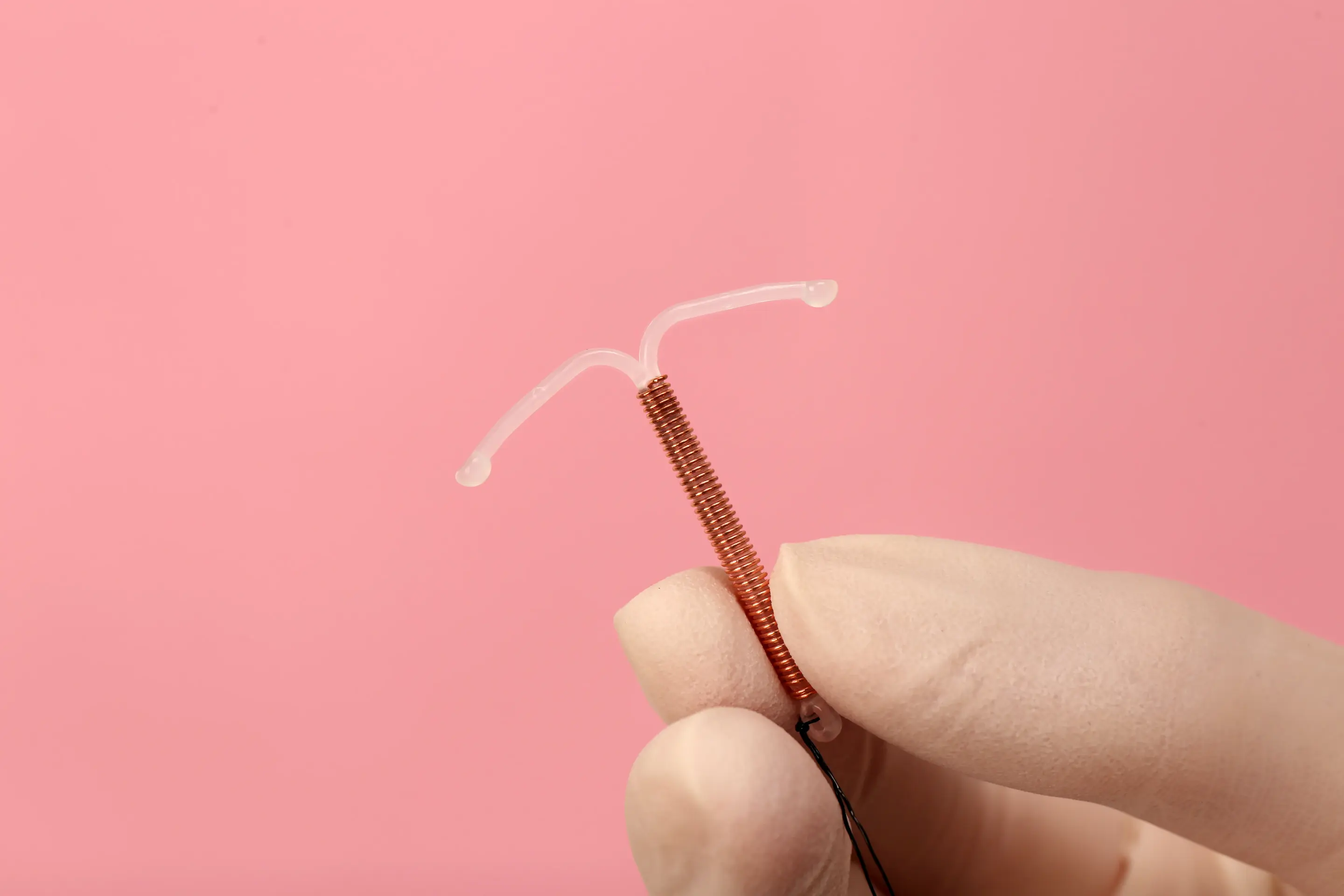
- Check which type is being discussed. Hormonal and copper IUDs work differently.
- If bleeding becomes unusually heavy, frequent or different for you, get it evaluated rather than assuming it is only perimenopause.
- You do not need an IUD simply because you are in perimenopause, and it should not be expected to treat symptoms such as hot flushes or brain fog.
Good to Know
- Hormonal IUDs release a progestogen. Copper IUDs contain no hormones.
- A hormonal IUD may make periods lighter, although spotting can happen after insertion.
- It does not provide estrogen. If used alongside hormone therapy, estrogen is prescribed separately.
- How long it can stay in place depends on the device and why it is being used.
Expert review
A hormonal IUD can be a useful option for some women during perimenopause, particularly when contraception, heavy bleeding or hormone therapy are part of the conversation. But it is important to understand what it does and what it does not do. It provides progestogen, not estrogen, so it should not be seen as a treatment for all perimenopause symptoms. The decision should be individualized based on a woman’s bleeding pattern, contraception needs, symptoms, medical history and whether hormone therapy is being considered.
Quick facts
- What
- A hormonal IUD that releases progestogen
- Why it may matter
- May help with contraception, heavy bleeding and HRT planning
- The catch
- It does not provide estrogen or treat perimenopause itself
- Useful step
- Ask your gynaecologist if it fits your needs
Sources & review: Based on the August 2026 AOL article on hormonal IUDs in perimenopause, Indian Menopause Society 2026 guidance, NHS menopause guidance, and clinical guidance on intrauterine contraception.
This article is for educational purposes only and is not a medical diagnosis or a substitute for professional medical advice. Please consult a qualified doctor about your symptoms.