02Well established
Hormonal change affects bone and muscle
Falling estrogen speeds up bone loss around menopause, while muscle mass and strength can also decline.
Meeta et al., Journal of Mid-life Health, 2020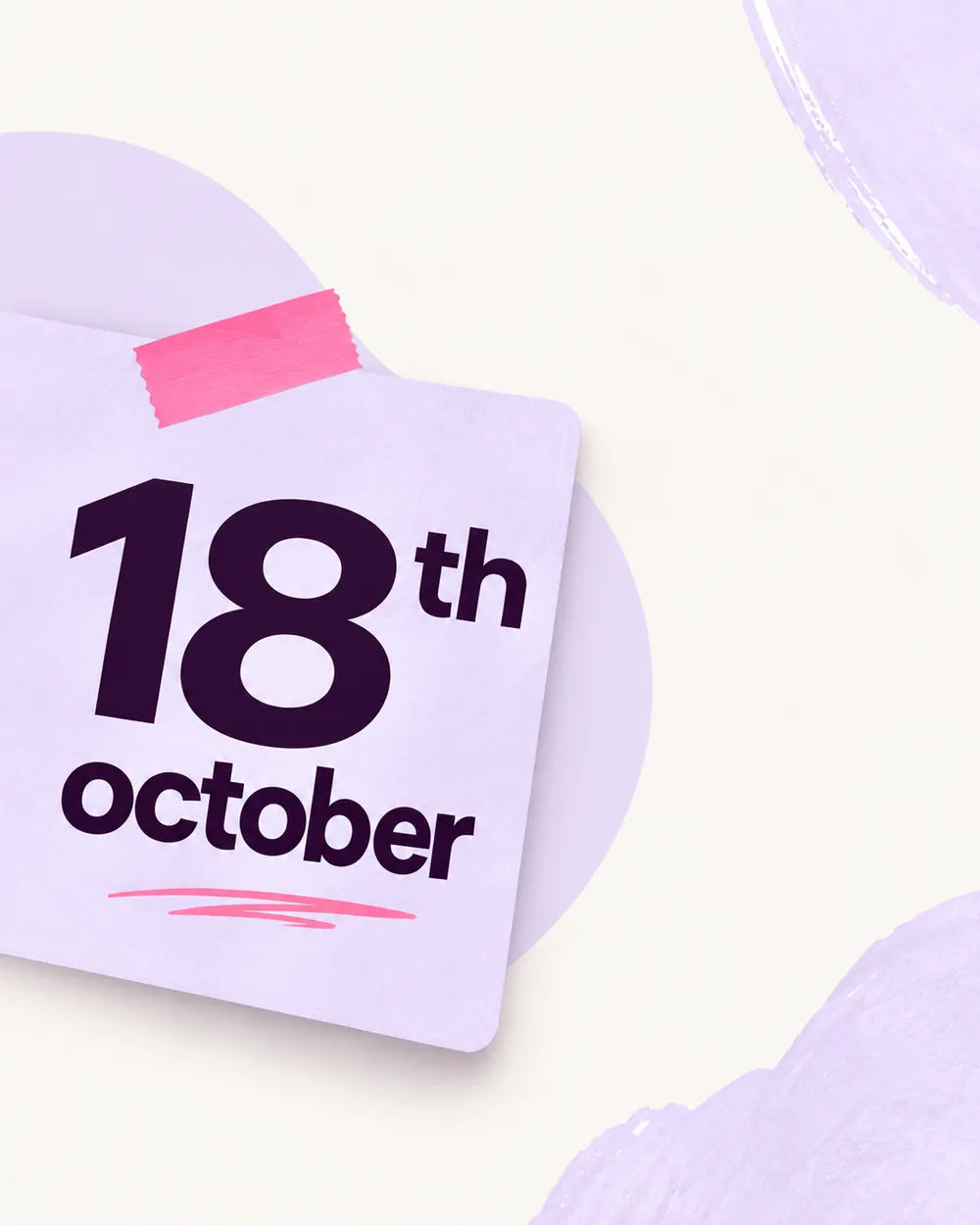
Menopause can affect far more than your periods, shaping how you feel and experience midlife. Here, you’ll find doctor-informed guidance, research and practical support to understand what’s changing and know your options.
Explore your journey →This World Menopause Day, choose to understand your symptoms, ask questions and seek the care and support you deserve.
Reproductive years
Regular cycles
Perimenopause
Hormones fluctuate, periods change, symptoms often begin
Menopause and after
Menopause is confirmed 12 months after your last period
Perimenopause can begin years before the final period, and the transition continues well beyond it. This hub follows that journey, from the first changes through menopause and beyond.
Observed on 18 October, World Menopause Day raises awareness of menopause and the support women need through midlife. Led by the International Menopause Society (IMS), it uses a dedicated theme to focus attention on an important area of menopause health.
Menopause tends to arrive earlier.
A pan-India survey found the average age of menopause to be about 46, earlier than in several Western populations.
Symptoms are often dismissed.
Hot flashes, joint pain, sleep and mood changes are still brushed off as stress, ageing or “just part of life”.
Reliable information can be hard to find.
Medically sound menopause guidance is not always easy to access, especially in languages beyond English.
Midlife leaves little room for women’s health.
Work, family and caregiving can push a woman’s own health further down the priority list.
The 2026 World Menopause Day theme highlights persistent pain during and after the menopause transition, an issue that is still often overlooked.
Chronic pain is pain that lasts three months or longer and, in midlife, may show up as joint aches, stiffness, or persistent back and neck pain.
Persistent pain can affect sleep, mobility, mood, work and quality of life, yet it remains under-recognised in women.
Hormonal changes may contribute to pain, but arthritis, thyroid problems, low vitamin D and other causes can also play a role. Persistent pain deserves proper assessment.
Pain can affect sleep, mood, movement and muscle strength, making it an important part of overall midlife health.
India’s FIRST illustrated stories on perimenopause
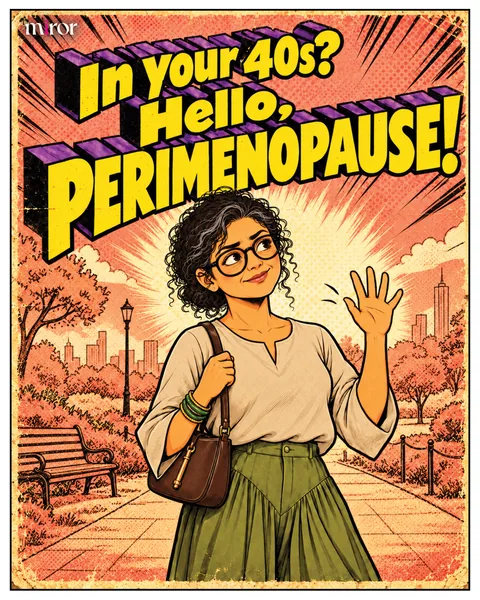
In Your 40s? Hello, Perimenopause!
Read comic
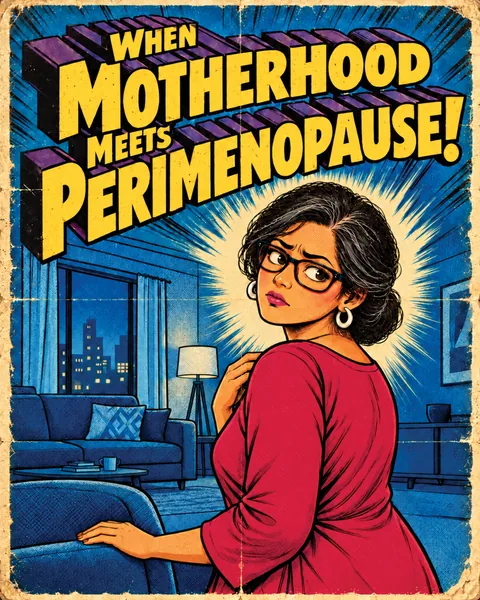
When Motherhood Meets Perimenopause!
Read comic
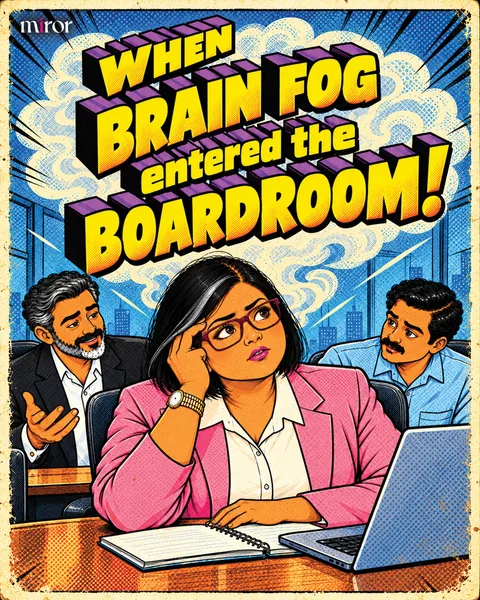
When Brain Fog Entered the Boardroom!
Read comic

Stay tuned for Friday
New story on Friday, 23 Oct
Clear menopause information should be easy to understand, whatever language you use every day. Read these guides yourself or share them with your mother, sister or friend.

Karnataka
ಕನ್ನಡ
Kannada
Menopause: ಋತುಬಂಧ


North India
हिन्दी
Hindi
Menopause: रजोनिवृत्ति

Tamil Nadu
தமிழ்
Tamil
Menopause: மாதவிடாய் நிறுத்தம்
Chronic pain in midlife
What does the evidence say about pain, hormones and midlife?
A look at what’s established, what’s emerging and where questions remain.
About
7 in 10
A 2020 meta-analysis found musculoskeletal pain in about 71% of perimenopausal women.
Lu et al., Neural Plasticity, 2020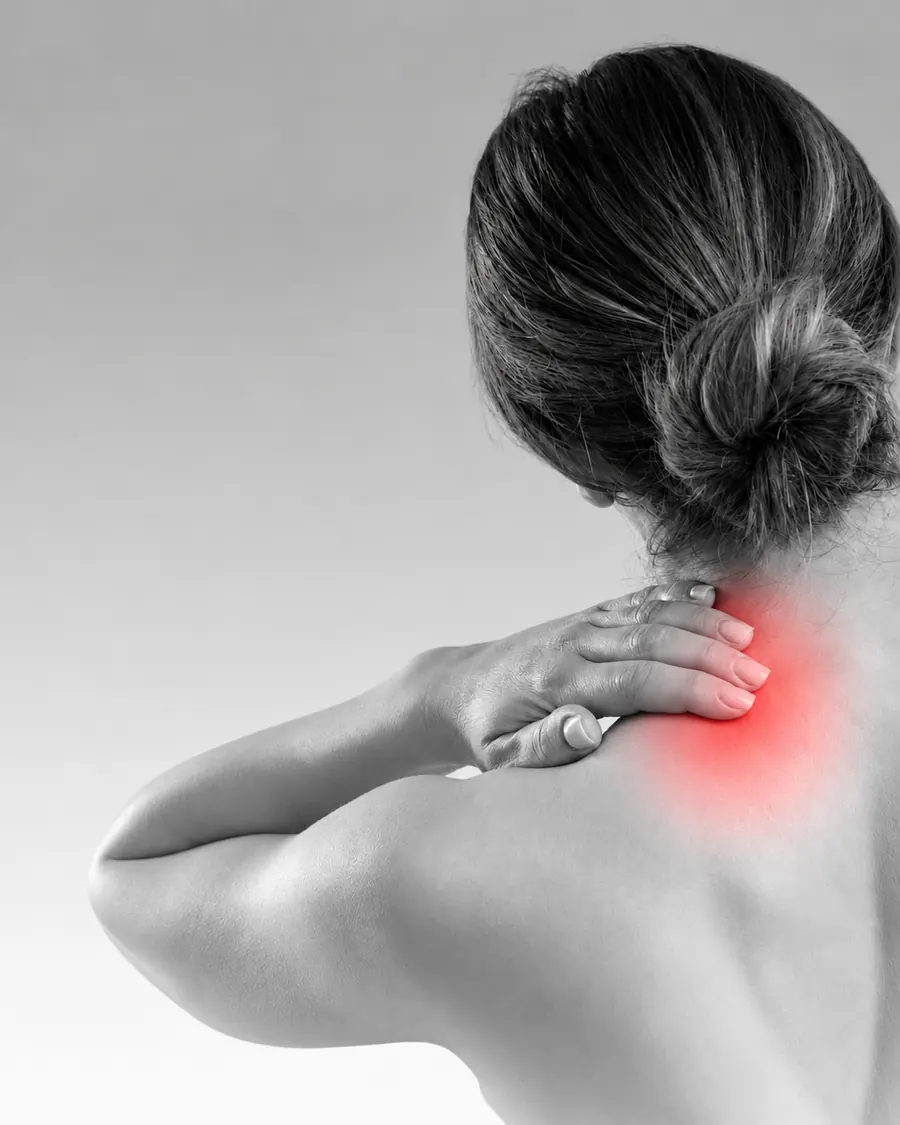
PLATE 01 / MIDLIFE
Muscle • joint • movement
Falling estrogen speeds up bone loss around menopause, while muscle mass and strength can also decline.
Meeta et al., Journal of Mid-life Health, 2020Poor sleep can increase pain sensitivity, while pain can make sleep harder, creating a difficult cycle.
Finan et al., The Journal of Pain, 2013Depression, anxiety and chronic pain often overlap, and each can make the other harder to manage.
Bair et al., Archives of Internal Medicine, 2003Exercise can reduce pain and improve function and quality of life, though the evidence varies.
Geneen et al., Cochrane Database of Systematic Reviews, 2017Researchers have proposed “musculoskeletal syndrome of menopause” to describe related joint, muscle and bone changes. It is a framework, not a formal diagnosis.
Wright et al., Climacteric, 2024A major trial found modestly less joint pain with estrogen alone than placebo. The evidence is promising, but HRT should not be started solely for joint pain.
Chlebowski et al., Menopause, 2013Not all midlife pain is caused by menopause. Arthritis, thyroid conditions, vitamin D or B12 deficiency and injuries can cause similar symptoms. See a doctor if pain persists, worsens, causes swelling or redness, or comes with fever, weight loss or numbness.
HRT can ease menopause symptoms and support bone health, but it isn’t right for everyone. The choice should be made with a doctor, based on your symptoms, health history and preferences.
HRT is the most effective treatment for hot flashes and night sweats. It can also help vaginal symptoms and support bone health.
Common symptoms include hot flashes, night sweats, sleep problems, mood changes, brain fog, joint and muscle aches, vaginal dryness and urinary changes. Symptoms vary from woman to woman.
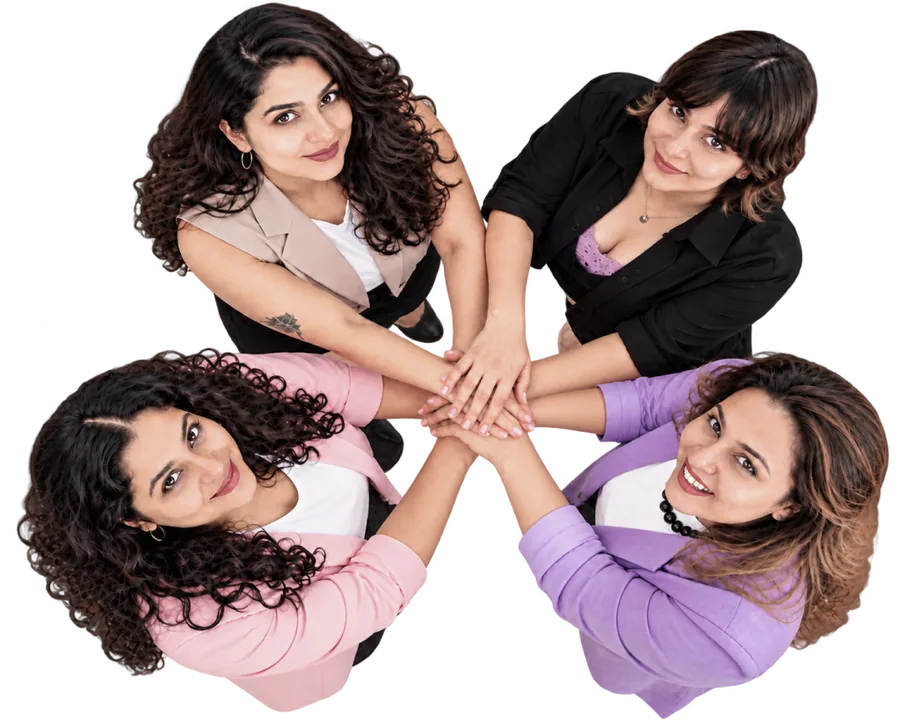
MIROR brings women together with doctors, specialists and experts to better manage perimenopause and menopause symptoms, improve midlife health and feel more supported through every stage.
Join the MIROR community
'%3e%3cpath%20id='Vector'%20d='M2.24494%2012.2564C2.35521%2012.5347%202.37976%2012.8395%202.31543%2013.1318L1.51672%2015.5994C1.49098%2015.7246%201.49764%2015.8542%201.53605%2015.9761C1.57446%2016.0979%201.64336%2016.2079%201.73621%2016.2957C1.82906%2016.3835%201.94278%2016.446%202.06659%2016.4775C2.19041%2016.509%202.32021%2016.5083%202.44368%2016.4755L5.00332%2015.727C5.2791%2015.6722%205.5647%2015.6962%205.82754%2015.796C7.42901%2016.5439%209.24317%2016.7022%2010.9499%2016.2428C12.6567%2015.7834%2014.1464%2014.7359%2015.1562%2013.2851C16.166%2011.8342%2016.6309%2010.0733%2016.4691%208.31308C16.3072%206.5528%2015.5289%204.90627%2014.2715%203.66397C13.0141%202.42168%2011.3583%201.66346%209.59642%201.52309C7.8345%201.38273%206.07963%201.86923%204.64142%202.89678C3.20321%203.92432%202.17409%205.42686%201.73563%207.13931C1.29717%208.85175%201.47755%2010.664%202.24494%2012.2564ZM5.87172%209.80222C5.46968%209.38163%205.24618%208.82164%205.24813%208.23978C5.25007%207.65792%205.47732%207.09943%205.88215%206.68154C6.28699%206.26365%206.83795%206.01885%207.4194%205.99852C8.00084%205.97818%208.56755%206.1839%209.00059%206.57248C9.32365%206.28245%209.72371%206.09209%2010.1525%206.02435C10.5813%205.95661%2011.0206%206.0144%2011.4173%206.19074C11.814%206.36707%2012.1513%206.65443%2012.3883%207.01815C12.6254%207.38188%2012.7522%207.80643%2012.7534%208.24061C12.7553%208.82249%2012.5316%209.38246%2012.1295%209.80297L9.54432%2012.5182C9.4742%2012.5919%209.38983%2012.6505%209.29633%2012.6906C9.20283%2012.7307%209.10215%2012.7513%209.00043%2012.7512C8.8987%2012.7512%208.79806%2012.7304%208.70461%2012.6902C8.61116%2012.65%208.52687%2012.5912%208.45686%2012.5174L5.87172%209.80222Z'%20stroke-width='1.5'%20stroke-linecap='round'%20stroke='%2332113F'/%3e%3c/g%3e%3cdefs%3e%3cclipPath%20id='clip0_0_4'%3e%3crect%20width='18'%20height='18'%20fill='white'/%3e%3c/clipPath%3e%3c/defs%3e%3c/svg%3e)
Honest conversations
With women who understand.
'%3e%3cpath%20id='Vector'%20d='M15.0005%201.50086V3.00081M15.0005%203.00081V4.50075M15.0005%203.00081H16.5006M15.0005%203.00081H13.5004M8.26269%202.11167C8.29483%201.93963%208.38613%201.78425%208.52078%201.67243C8.65544%201.56061%208.82496%201.4994%209%201.4994C9.17504%201.4994%209.34456%201.56061%209.47922%201.67243C9.61387%201.78425%209.70517%201.93963%209.73731%202.11167L10.5256%206.28001C10.5816%206.57636%2010.7256%206.84895%2010.9389%207.06221C11.1522%207.27546%2011.4248%207.41948%2011.7212%207.47546L15.8901%208.26368C16.0621%208.29581%2016.2175%208.38711%2016.3293%208.52174C16.4412%208.65638%2016.5024%208.82588%2016.5024%209.0009C16.5024%209.17592%2016.4412%209.34542%2016.3293%209.48006C16.2175%209.6147%2016.0621%209.70599%2015.8901%209.73812L11.7212%2010.5263C11.4248%2010.5823%2011.1522%2010.7263%2010.9389%2010.9396C10.7256%2011.1529%2010.5816%2011.4254%2010.5256%2011.7218L9.73731%2015.8901C9.70517%2016.0622%209.61387%2016.2176%209.47922%2016.3294C9.34456%2016.4412%209.17504%2016.5024%209%2016.5024C8.82496%2016.5024%208.65544%2016.4412%208.52078%2016.3294C8.38613%2016.2176%208.29483%2016.0622%208.26269%2015.8901L7.47438%2011.7218C7.41839%2011.4254%207.27435%2011.1529%207.06107%2010.9396C6.84779%2010.7263%206.57517%2010.5823%206.27878%2010.5263L2.10994%209.73812C1.93788%209.70599%201.78248%209.6147%201.67065%209.48006C1.55882%209.34542%201.4976%209.17592%201.4976%209.0009C1.4976%208.82588%201.55882%208.65638%201.67065%208.52174C1.78248%208.38711%201.93788%208.29581%202.10994%208.26368L6.27878%207.47546C6.57517%207.41948%206.84779%207.27546%207.06107%207.06221C7.27435%206.84895%207.41839%206.57636%207.47438%206.28001L8.26269%202.11167ZM4.49967%2015.0003C4.49967%2015.8287%203.82805%2016.5003%202.99955%2016.5003C2.17106%2016.5003%201.49943%2015.8287%201.49943%2015.0003C1.49943%2014.1719%202.17106%2013.5004%202.99955%2013.5004C3.82805%2013.5004%204.49967%2014.1719%204.49967%2015.0003Z'%20stroke-width='1.5'%20stroke-linecap='round'%20stroke='%2332113F'/%3e%3c/g%3e%3cdefs%3e%3cclipPath%20id='clip0_0_11'%3e%3crect%20width='18'%20height='18'%20fill='white'/%3e%3c/clipPath%3e%3c/defs%3e%3c/svg%3e)
Expert-led sessions
With doctors and specialists.
'%3e%3cpath%20id='Vector'%20d='M16.5006%209C16.5006%2013.1425%2013.1425%2016.5006%209%2016.5006C4.85753%2016.5006%201.4994%2013.1425%201.4994%209C1.4994%204.85753%204.85753%201.4994%209%201.4994C13.1425%201.4994%2016.5006%204.85753%2016.5006%209ZM12.1801%205.81957L10.827%209.87814C10.7533%2010.0991%2010.6292%2010.2999%2010.4646%2010.4646C10.2999%2010.6292%2010.0991%2010.7533%209.87814%2010.827L5.81957%2012.1801L7.17268%208.1215C7.24632%207.90055%207.3704%207.69978%207.53509%207.53509C7.69978%207.3704%207.90055%207.24632%208.1215%207.17268L12.1801%205.81957Z'%20stroke-width='1.5'%20stroke-linecap='round'%20stroke='%2332113F'/%3e%3c/g%3e%3cdefs%3e%3cclipPath%20id='clip0_0_7'%3e%3crect%20width='18'%20height='18'%20fill='white'/%3e%3c/clipPath%3e%3c/defs%3e%3c/svg%3e)
Trusted guidance
Clear information when you need it.
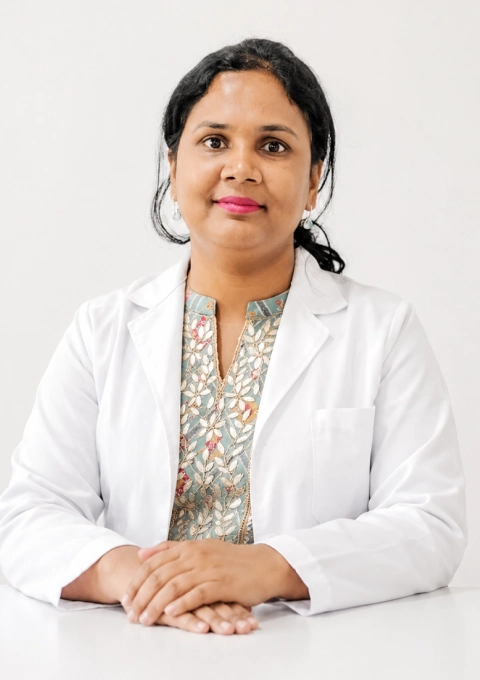
Medically reviewed by Dr. Smitha A P, Medical Director, Miror
Focused on evidence-based HRT, menopause care and preventive health through midlife.
This page is for general education and is not a substitute for personal medical advice. Please speak with a qualified doctor about your symptoms and treatment options.