The takeaway
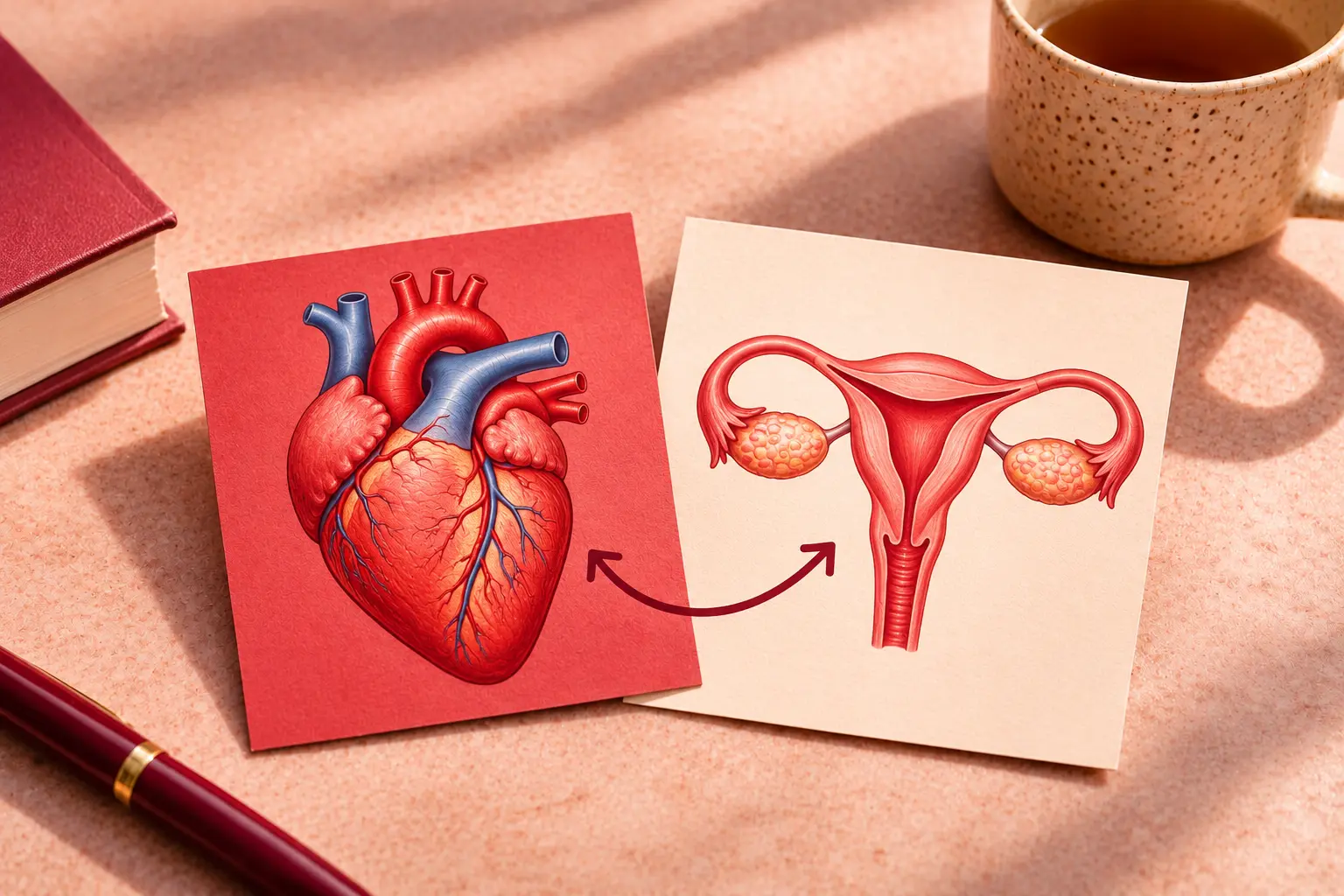
Having fewer hot flashes doesn't automatically mean your heart is healthier. New research suggests that certain patterns of ovarian ageing may be associated with higher cardiovascular risk after menopause, even in women who experience fewer symptoms. The finding reinforces something important: your hormonal health involves more than what you can feel. Blood pressure, cholesterol, blood sugar and your overall metabolic health deserve attention too.
What Happened
Your ovaries don't all age in the same way, and that may matter beyond your reproductive years.
Researchers studied 1,131 women through menopause, tracking anti-Müllerian hormone (AMH), a hormone that reflects ovarian reserve, or the remaining supply of eggs.
They identified two patterns: women with initially lower AMH levels that declined slowly, and women with higher levels that declined faster.
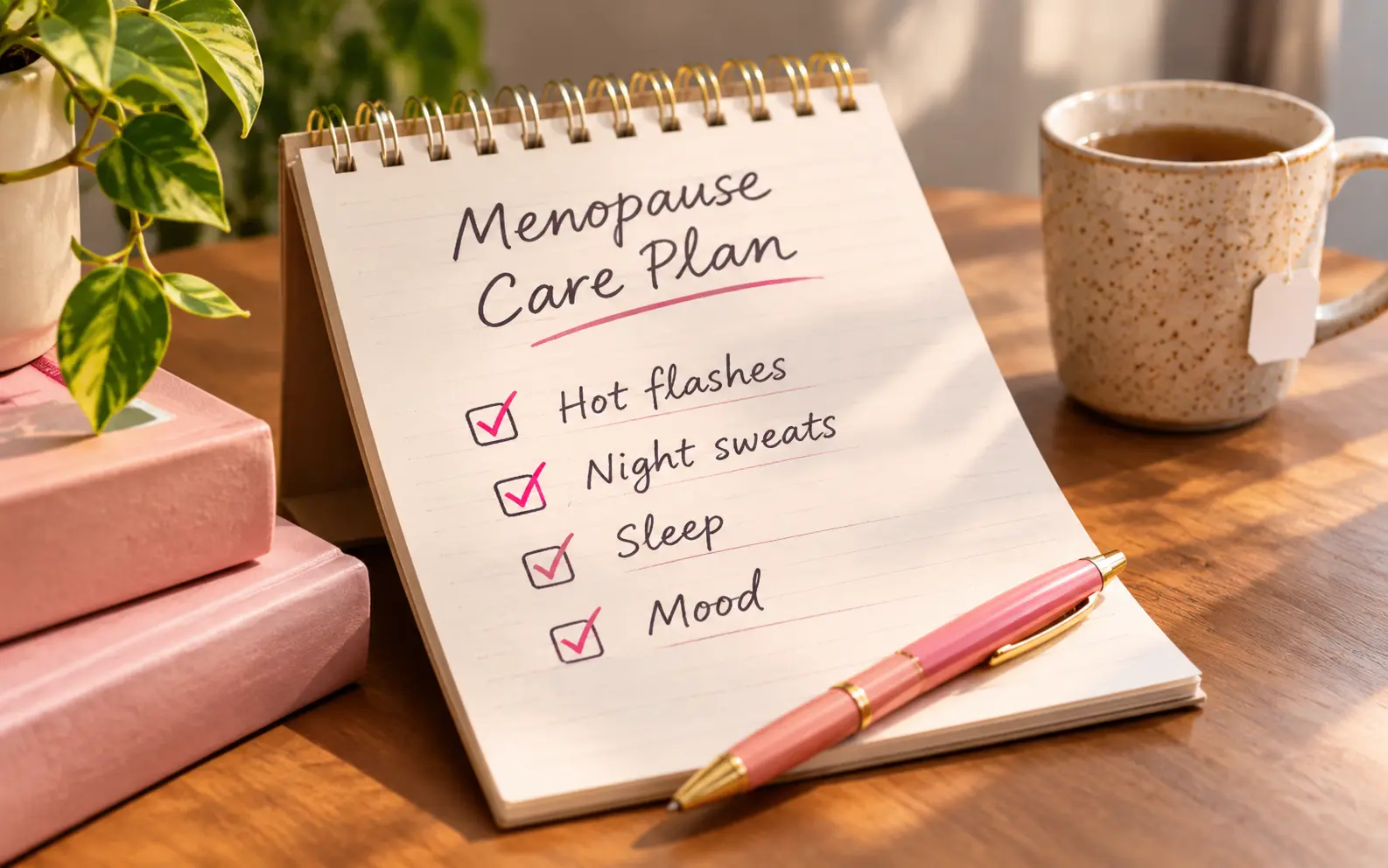
The surprising finding? Women in the first group had a 5% higher adjusted cardiovascular risk score after menopause, despite being 27% less likely to report frequent hot flashes and night sweats.
What To Actually Do
- If you're in your 40s or approaching menopause: Discuss your blood pressure, cholesterol and blood sugar with your doctor, particularly if you have diabetes, hypertension or a family history of heart disease.
- Look at your hormones together, not individually. Changes in estrogen, progesterone, cortisol and other hormones can interact with sleep, stress and metabolism. Miror's Hormonal Index takes this broader view of hormonal health.
- Support your heart through everyday habits. Regular physical activity, balanced nutrition, adequate sleep and avoiding tobacco remain important for cardiovascular health.
- Don't rush into an AMH test. The research doesn't establish routine AMH testing as a reliable way to predict heart disease. Speak to your doctor before considering additional hormonal tests.
Good to Know
- AMH isn't a heart health test. It primarily reflects ovarian reserve and cannot independently predict cardiovascular disease.
- Fewer hot flashes don't guarantee lower risk. Menopause symptoms vary considerably, and their absence doesn't eliminate cardiovascular risk.
- The 5% difference isn't a 5% increase in heart attacks. The researchers measured an adjusted cardiovascular risk score, not actual heart attack rates.
- More research is needed. The findings show an association, not cause and effect. The study does not establish that AMH monitoring improves cardiovascular outcomes.
- You don't need additional testing just because of this news. Established cardiovascular assessments remain the appropriate starting point. This information is not a substitute for medical advice.
Expert review
The interesting part of this research isn't simply the connection between ovarian ageing and heart health. It's that women with fewer noticeable menopause symptoms didn't necessarily have better cardiovascular risk profiles. But there's an important distinction. The study found an association with cardiovascular risk scores, not proof that a particular ovarian ageing pattern causes heart disease. It also doesn't establish whether monitoring AMH can help prevent cardiovascular events. The practical message is to consider hormonal changes alongside cardiovascular and metabolic health, rather than relying on symptoms or individual hormone levels to tell the whole story.
Quick facts
- What
- Ovarian ageing patterns may be associated with cardiovascular risk after menopause.
- Study:
- 1,131 women followed through the menopause transition.
- Key finding
- One ovarian ageing pattern was linked to a 5% higher adjusted cardiovascular risk score.
- Who should pay attention
- Women approaching or navigating menopause, especially those with existing cardiovascular risk factors.
- What you need
- A discussion about your cardiovascular health, not necessarily another hormone test.
Sources & review: Medscape, Ovarian Reserve Decline Patterns Linked to Cardiovascular Risk After Menopause, November 4, 2026; Anti-Müllerian Hormone Trajectories Across the Menopause Transition, Obstetrics & Gynecology, October 2026.
This article is for educational purposes only and is not a medical diagnosis or a substitute for professional medical advice. Please consult a qualified doctor about your symptoms.