
When Indian women talk about hormones, the conversation usually revolves around estrogen, progesterone, thyroid hormones, or even cortisol. Yet one hormone quietly sits in the background influencing energy, mood, muscle strength, libido, skin health, and healthy ageing: DHEA.
Despite its importance, very few women are routinely tested for DHEA. Many spend years struggling with unexplained fatigue, declining stamina, poor recovery, low motivation, or reduced libido without realizing that an overlooked hormone may be contributing to the picture.
The reality is that DHEA naturally declines with age, beginning as early as our late twenties and continuing throughout adulthood. By menopause, levels may have already fallen dramatically.
So why aren’t more women talking about it?
Let’s explore.
What Is DHEA?
DHEA (Dehydroepiandrosterone) is a hormone produced primarily by the adrenal glands. It acts as a precursor hormone, meaning the body can convert it into estrogen and testosterone when needed.
Think of DHEA as one of the body’s hormonal “building blocks.”
While DHEA itself doesn’t perform all hormonal functions directly, it supports multiple systems by helping the body maintain hormonal balance.
Why Is DHEA Called the Anti-Ageing Hormone?
DHEA earned its reputation because levels peak in early adulthood and gradually decline with age.
Research shows DHEA levels can decrease by approximately 60% by menopause and continue dropping thereafter.
Because DHEA influences energy, muscle maintenance, bone health, mood, and sexual wellbeing, scientists have long explored its relationship with healthy ageing.
Why Indian Women Should Pay Attention to DHEA
Many symptoms associated with low DHEA are often dismissed as:
- Stress
- Ageing
- Busy lifestyles
- Perimenopause
- Burnout
The problem is that these explanations may overlook an underlying hormonal issue.
Women frequently report:
- Persistent fatigue
- Low motivation
- Reduced exercise recovery
- Declining libido
- Brain fog
- Mood changes
- Reduced muscle strength
These symptoms can overlap with other hormonal imbalances, making comprehensive testing important.
Signs Your DHEA Levels May Be Low
Unexplained Fatigue
Feeling exhausted despite adequate sleep is one of the most common complaints among women experiencing hormonal changes.
Low Libido
Since DHEA contributes to androgen production, low levels may influence sexual wellbeing and desire.
Brain Fog and Reduced Focus
Many women describe difficulty concentrating, forgetfulness, or mental fatigue.
Loss of Muscle Tone
DHEA plays a role in maintaining healthy body composition as we age.
Mood Changes
Low motivation, reduced resilience to stress, and low mood can sometimes accompany declining DHEA levels.
DHEA and Menopause: The Missing Piece of the Puzzle
Menopause is often discussed through the lens of estrogen decline.
However, DHEA is also declining during this period.
Researchers refer to this gradual reduction as “adrenopause”—an age-related decline in adrenal androgen production that occurs independently of menopause.
This means that many women are experiencing simultaneous changes in:
- Estrogen
- Progesterone
- Testosterone
- DHEA
Understanding all four hormones can provide a more complete picture of women’s health.
Why Most Women Never Get a DHEA Test
Several reasons contribute to under-testing:
Symptoms Mimic Other Conditions
Low DHEA can resemble thyroid dysfunction, stress, burnout, or menopause.
Standard Health Panels Don’t Always Include It
Many routine health check-ups focus on blood sugar, cholesterol, and thyroid markers but may not include DHEA-S.
Lack of Awareness
Many women simply don’t know DHEA exists or understand its role in healthy ageing.
What Is the DHEA-S Test?
Doctors usually measure DHEA through a DHEA-S blood test.
DHEA-S (Dehydroepiandrosterone Sulfate) is considered a more stable marker because it fluctuates less throughout the day than DHEA itself.
A DHEA-S test is often considered alongside:
- Estradiol
- Progesterone
- Testosterone
- Thyroid function tests
- Cortisol
- Vitamin D
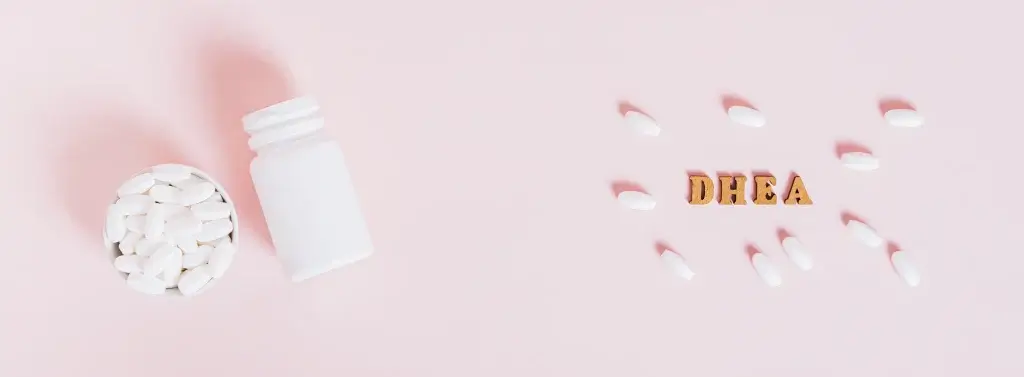
Can DHEA Supplements Help?
This is where caution is important.
While DHEA supplements are widely marketed for anti-ageing benefits, research findings remain mixed. Some studies show improvements in hormone levels, while others show limited impact on symptoms such as libido and overall wellbeing.
When Supplements May Be Considered
A healthcare provider may evaluate supplementation if:
- Blood tests show low DHEA levels
- Symptoms align with deficiency
- Other causes have been ruled out
Why Self-Supplementation Is Not Recommended
DHEA can influence estrogen and testosterone production.
Taking supplements without testing may lead to unwanted side effects such as acne, oily skin, hair changes, or hormone imbalance.
The smartest approach is always:
Test first. Supplement second.
The Future of Women’s Hormone Health Is Proactive
For decades, women have been taught to accept fatigue, low energy, and hormonal symptoms as a normal part of ageing.
But healthy ageing isn’t about accepting symptoms. It’s about understanding them.
Hormone testing is becoming more comprehensive, and DHEA deserves a place in that conversation.
If you’re experiencing unexplained symptoms, asking your healthcare provider about DHEA testing may help uncover a missing piece of your hormonal puzzle.
DHEA may not receive the same attention as estrogen or thyroid hormones, but its influence on women’s health is significant.
As awareness around women’s hormone health grows, it’s time to ask a simple question:
If DHEA plays such an important role in energy, ageing, and wellbeing, why aren’t more women testing it?
The answer may not be that DHEA is unimportant.
It may simply be that the conversation is long overdue.
FAQs
DHEA is a hormone produced mainly by the adrenal glands and serves as a building block for estrogen and testosterone. It supports energy, mood, muscle health, sexual wellbeing, and healthy ageing. Because DHEA naturally declines with age, monitoring levels may provide valuable insights into overall hormone health.
DHEA levels typically peak during the twenties and gradually decrease throughout adulthood. Research suggests levels decline by approximately 2–5% annually and may fall significantly by menopause. This decline is considered a normal part of ageing, although symptoms and impacts vary among women.
Low DHEA may be associated with fatigue, reduced libido, low motivation, poor recovery after exercise, mood changes, and loss of muscle strength. However, these symptoms overlap with many other hormonal and health conditions, which is why testing and professional evaluation are important.
No. DHEA supplementation should not be considered a universal solution. Research on benefits remains mixed, and supplementation may not be appropriate for everyone. Testing hormone levels first and consulting a healthcare provider is essential before considering DHEA supplements.
DHEA is commonly assessed through a DHEA-S blood test. DHEA-S remains more stable in circulation and is generally considered a reliable indicator of adrenal androgen production. Many clinicians evaluate DHEA-S alongside other hormone markers to gain a comprehensive understanding of hormonal health.