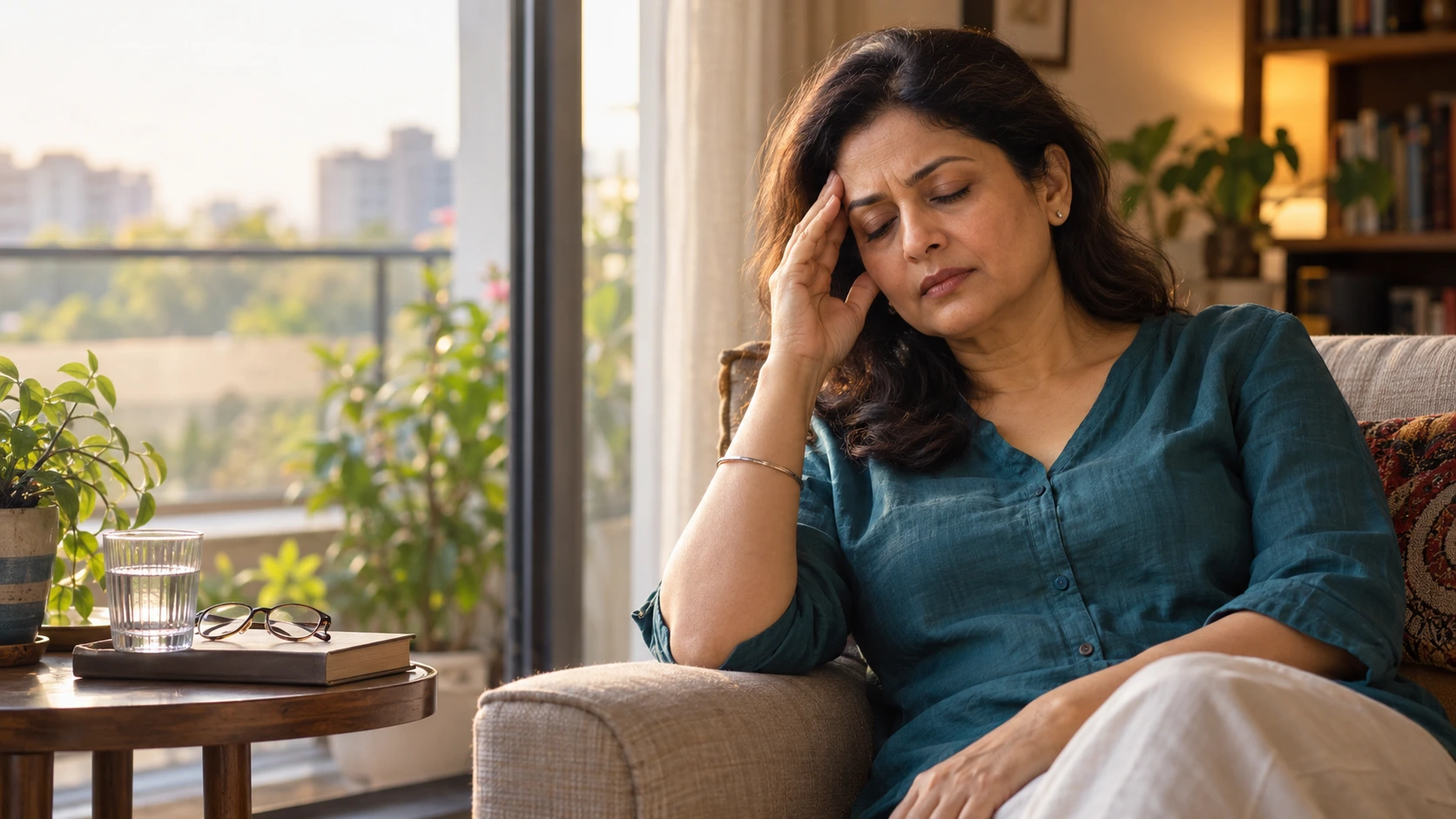

Have you ever felt overwhelmed by anxiety a few days before your period, only to feel like yourself again once it starts? Or perhaps you’ve noticed that since entering your 40s, your emotions seem more unpredictable than ever. If this sounds familiar, you’re not imagining it.
The connection between hormones and anxiety is real. While stress, life events, and mental health conditions can contribute to anxiety, hormonal fluctuations can also significantly influence how you think, feel, and respond to everyday situations.
Understanding this relationship can help you recognize patterns in your symptoms, seek the right support, and stop blaming yourself for feelings that may have a biological basis.
Can Hormones Really Cause Anxiety?
The short answer is yes, but it’s a little more complex than that.
Hormones act as chemical messengers throughout the body, including the brain. They influence neurotransmitters such as serotonin, dopamine, and gamma-aminobutyric acid (GABA), which help regulate mood, emotions, sleep, and stress responses.
When hormones fluctuate, as they naturally do during the menstrual cycle, pregnancy, postpartum, perimenopause, and menopause, they can affect these brain chemicals. For some women, these changes may increase feelings of nervousness, irritability, restlessness, or anxiety.
This doesn’t mean hormones are the sole cause of anxiety. Genetics, lifestyle, existing mental health conditions, sleep quality, and chronic stress also play important roles. However, if your anxiety consistently follows a hormonal pattern, it’s worth paying attention.
How Your Menstrual Cycle Affects Anxiety
Hormone levels naturally rise and fall throughout the menstrual cycle, and these changes can influence emotional wellbeing.
Menstrual Phase
During menstruation, both estrogen and progesterone are at their lowest. While some women experience emotional relief as PMS symptoms fade, others may still feel fatigued, emotionally sensitive, or low in mood.
Follicular Phase
As estrogen gradually increases, many women notice improved mood, higher energy levels, and better concentration. Estrogen supports serotonin production, which contributes to feelings of wellbeing.
Ovulation
Around ovulation, estrogen reaches its peak. Confidence, energy, and mood may improve, although some women remain sensitive to rapid hormonal shifts.
Luteal Phase
After ovulation, progesterone rises before declining sharply if pregnancy does not occur. This hormonal shift is where many women notice increased anxiety, mood swings, irritability, sleep disturbances, or emotional sensitivity.
For women with Premenstrual Syndrome (PMS) or Premenstrual Dysphoric Disorder (PMDD), these symptoms can become particularly distressing.
Why Estrogen and Progesterone Matter
Two hormones play especially important roles in emotional health.
Estrogen
Estrogen supports serotonin production and influences the brain’s stress response. Healthy estrogen levels are generally associated with improved mood, emotional stability, and cognitive function.
When estrogen declines rapidly, as it does before menstruation or during perimenopause, some women may experience increased anxiety, irritability, and emotional sensitivity.
Progesterone
Progesterone interacts with GABA, a neurotransmitter that helps the brain feel calm and relaxed.
When progesterone levels fluctuate or fall, this calming effect may diminish, making some women feel more anxious or emotionally reactive.
It is often the fluctuation, not simply low or high hormone levels, that contributes to symptoms.
Hormonal Conditions That May Increase Anxiety
Hormonal anxiety isn’t limited to the menstrual cycle. Several life stages and medical conditions may contribute.
Premenstrual Syndrome (PMS)
PMS affects many women in the days leading up to menstruation. Along with bloating, breast tenderness, and fatigue, emotional symptoms such as anxiety, irritability, and mood swings are common.
Premenstrual Dysphoric Disorder (PMDD)
PMDD is a more severe condition that causes intense emotional symptoms before menstruation. Women with PMDD may experience overwhelming anxiety, depression, panic attacks, or significant mood changes that interfere with daily life.
Perimenopause
Perimenopause, the transition leading up to menopause, is one of the most common times for women to experience new or worsening anxiety.
During this stage, estrogen and progesterone fluctuate unpredictably. Combined with sleep disturbances, hot flashes, and life transitions, these hormonal changes can significantly affect emotional wellbeing.
Some women who have never experienced anxiety before may notice symptoms for the first time during perimenopause.
Menopause
Even after periods stop, declining estrogen levels may continue to influence mood, sleep quality, and stress resilience.
Although some women feel emotionally stable after menopause, others may continue to experience anxiety that benefits from medical evaluation and appropriate treatment.
Polycystic Ovary Syndrome (PCOS)
PCOS affects hormone balance and has been associated with higher rates of anxiety and depression. The relationship is influenced by hormonal changes, insulin resistance, and the emotional impact of living with a chronic condition.
Thyroid Disorders
Both overactive and underactive thyroid conditions can produce symptoms that resemble anxiety, making proper diagnosis essential.
Signs Your Anxiety May Be Hormone Related
While only a healthcare professional can determine the cause, certain patterns may suggest hormones are contributing.
You may notice:
– Anxiety appears at the same time each month.
– Symptoms worsen before your period.
– Anxiety began during perimenopause.
– Mood changes improve after menstruation starts.
– Anxiety occurs alongside hot flashes, night sweats, or irregular periods.
– Sleep problems and anxiety appear together.
– Brain fog, irritability, and anxiety happen simultaneously.
Keeping a symptom diary for two to three menstrual cycles can help identify recurring patterns and support more informed discussions with your healthcare provider.
The Role of Cortisol: The Stress Hormone
Cortisol is often called the body’s “stress hormone.”
During periods of chronic stress, cortisol remains elevated, affecting sleep, mood, immune function, and overall wellbeing.
Hormonal fluctuations and chronic stress can influence one another. Poor sleep during perimenopause, for example, may increase cortisol levels, making anxiety feel even more intense.
This is why addressing both hormonal health and stress management is often important when treating anxiety.
How Hormonal Anxiety Is Diagnosed
There is no single blood test that confirms hormonal anxiety.
Instead, healthcare providers consider:
– Your medical history
– Menstrual history
– Symptom patterns
– Lifestyle factors
– Mental health history
– Current medications
– Physical examination
In some cases, hormone testing or thyroid function tests may be recommended depending on your symptoms, age, and clinical history.
The goal is not simply to label anxiety but to identify what may be contributing to it.
Managing Hormones and Anxiety
Treatment depends on the underlying cause and should always be individualized.
Prioritize Sleep
Poor sleep can amplify anxiety and make hormonal symptoms feel worse. Aim for a consistent sleep schedule and good sleep hygiene.
Stay Physically Active
Regular exercise supports mood, improves sleep, and helps regulate the body’s stress response.
Eat a Balanced Diet
Protein-rich meals, whole grains, fruits, vegetables, healthy fats, and omega-3 fatty acids help support overall hormonal and brain health.
Limiting excessive caffeine and alcohol may also reduce anxiety in some women.
Learn Stress Management Techniques
Mindfulness, breathing exercises, yoga, journaling, and meditation can help improve emotional resilience.
Consider Psychological Support
Cognitive behavioural therapy (CBT) and other evidence-based therapies are effective for many anxiety disorders and may be recommended alongside medical treatment.
Discuss Medical Treatment
Depending on the cause, your healthcare provider may recommend:
– Lifestyle modifications
– Treatment for PMS or PMDD
– Hormone Replacement Therapy (HRT) for eligible women during menopause
– Non-hormonal medications
– Anxiety medications when clinically appropriate
Treatment should always be tailored to your individual needs rather than based solely on hormone levels.
When Should You See a Doctor?
Occasional anxiety can be part of life. However, it’s important to seek medical advice if:
– Anxiety interferes with work or relationships.
– You experience panic attacks.
– Symptoms are becoming more frequent or severe.
– Sleep problems are persistent.
– Anxiety is accompanied by significant changes in your menstrual cycle.
– Lifestyle changes are not helping.
– You experience persistent low mood or thoughts of self-harm. If you have thoughts of harming yourself, seek immediate medical attention or contact emergency mental health services.
Early evaluation can help identify whether hormonal changes, mental health conditions, or other medical issues are contributing to your symptoms.
You Don’t Have to “Just Live With It”
For many women, anxiety isn’t simply “in their head.” It can be closely connected to what’s happening in their bodies.
Recognizing the relationship between hormones and anxiety is an important step toward receiving appropriate care. Whether you’re noticing anxiety before your period, during perimenopause, or after menopause, your symptoms deserve attention, understanding, and evidence-based treatment.
If your anxiety seems to follow a hormonal pattern or is affecting your quality of life, speak with a qualified healthcare professional. At Miror Women’s Midlife & Beyond, our specialists take a personalized, holistic approach to women’s hormonal health, helping you understand what’s happening and find a treatment plan that’s right for you.
FAQs
Some women notice changes in their mood or anxiety after starting hormonal contraception, while others experience no difference or even an improvement. The effects vary from person to person, so it's important to discuss any new or worsening symptoms with your healthcare provider.
Yes. Hormonal anxiety may be accompanied by symptoms such as a racing heart, chest tightness, sweating, dizziness, digestive discomfort, headaches, or difficulty sleeping. These symptoms should always be evaluated by a healthcare professional to rule out other medical conditions.
It can be. Anxiety linked to the menstrual cycle often improves as hormone levels stabilize. However, if symptoms are severe, persistent, or interfere with daily life, medical evaluation is recommended.
Yes. Tracking your cycle alongside mood changes, sleep patterns, and anxiety symptoms for a few months can help identify recurring patterns and provide valuable information during a medical consultation.
Certain nutrient deficiencies, including iron, vitamin D, vitamin B12, and magnesium, may contribute to fatigue and mood changes in some women. A healthcare provider can determine whether testing or supplementation is appropriate.