

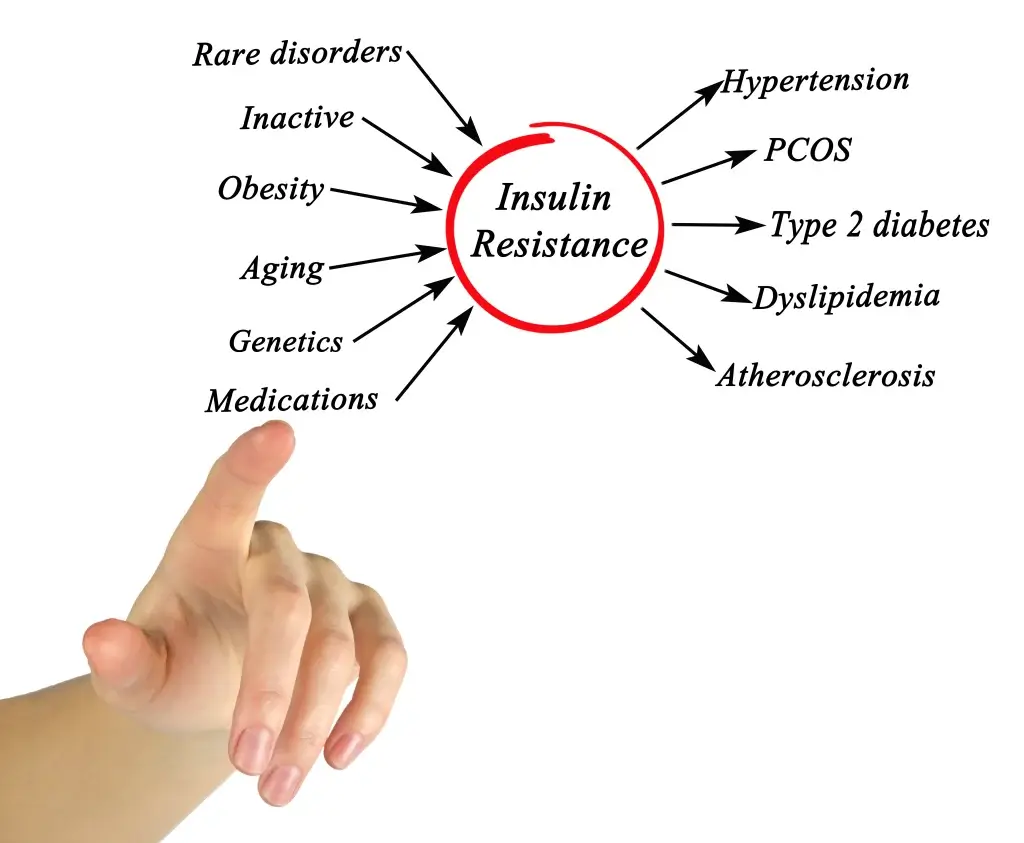
You are eating “normally,” trying to stay active, and doing everything you can to stay healthy. Yet the weight won’t budge. You feel tired even after a full night’s sleep. Cravings seem impossible to control, and your periods may have become unpredictable.
If this sounds familiar, you may have wondered whether these changes are simply part of a busy lifestyle—or whether something deeper is happening.
For many Indian women, these experiences are often dismissed as stress, ageing, poor sleep, or hormonal fluctuations. However, they can sometimes point to a hidden metabolic issue: insulin resistance.
The challenge is that insulin resistance symptoms can be subtle and develop gradually over years. Many women live with the condition long before receiving a diagnosis. Some are told to “just lose weight,” while others discover insulin resistance only after developing prediabetes, type 2 diabetes, or conditions such as PCOS.
This guide explores the most common insulin resistance symptoms, why Indian women may be particularly vulnerable, and how to know when it’s time to seek medical evaluation.
What Is Insulin Resistance?
Insulin is a hormone produced by the pancreas. Its primary role is to help glucose (sugar) move from your bloodstream into your cells, where it can be used for energy.
When you develop insulin resistance, your cells stop responding efficiently to insulin. To compensate, your body produces more and more insulin to keep blood sugar levels under control.
Over time, this can create a cycle of elevated insulin levels, increased fat storage, stronger food cravings, hormonal imbalances, and eventually rising blood sugar levels.
The condition often develops silently. In fact, many women experience insulin resistance symptoms for years before blood sugar tests become abnormal.
Why Indian Women Face a Higher Risk
Insulin resistance is a global health issue, but research consistently shows that South Asians have a greater tendency toward insulin resistance and metabolic disorders compared with many other populations. Genetic predisposition, body fat distribution, dietary patterns, and lifestyle changes all contribute to this increased risk.
Several factors make Indian women particularly vulnerable.
A Genetic Predisposition
Studies suggest that South Asians are more likely to develop insulin resistance at lower body weights than many Western populations. Even women who appear slim can experience metabolic dysfunction.
Higher Abdominal Fat Storage
Many Indian women tend to store fat around the abdomen rather than the hips and thighs. This visceral fat is closely associated with insulin resistance and metabolic disease.
High-Carbohydrate Dietary Patterns
Traditional Indian diets often contain large portions of rice, rotis, potatoes, and refined grains. While these foods can absolutely fit into a healthy diet, a combination of low protein intake, limited fibre, and frequent consumption of refined carbohydrates may worsen insulin sensitivity in susceptible individuals.
PCOS and Hormonal Disorders
Insulin resistance and PCOS are closely connected. Research indicates that many women with PCOS experience significant insulin resistance, regardless of body weight.
Common Insulin Resistance Symptoms Indian Women Often Miss
One reason insulin resistance frequently goes undiagnosed is that the symptoms rarely appear dramatic at first.
Here are some of the most common insulin resistance symptoms to watch for.
Weight Gain Around the Midsection
Perhaps the most recognized sign is stubborn abdominal weight gain.
You may notice:
- A growing waistline despite unchanged eating habits
- Difficulty losing weight even with dieting
- Weight regain after successful weight loss
High insulin levels encourage the body to store fat, particularly around the abdomen.
Constant Fatigue
Feeling exhausted throughout the day is one of the most overlooked insulin resistance symptoms.
Women often describe:
- Needing caffeine to function
- Afternoon energy crashes
- Feeling sleepy after meals
- Waking up tired despite sufficient sleep
Because cells struggle to use glucose effectively, energy production may become less efficient.
Intense Sugar and Carb Cravings
Do you constantly crave sweets, biscuits, bread, chocolate, or sugary chai?
Frequent cravings can occur because insulin and blood sugar fluctuations trigger hunger signals. Many women find themselves trapped in a cycle of craving carbohydrates, eating them, and then feeling hungry again shortly afterward.
Darkened Skin Patches
A condition called acanthosis nigricans is strongly associated with insulin resistance.
These patches may appear:
- Around the neck
- Under the arms
- Under the breasts
- In the groin area
The skin may look darker, thicker, or velvety in texture.
Skin Tags
Small, soft skin growths around the neck, underarms, or other skin folds can sometimes accompany insulin resistance.
While harmless, they may signal elevated insulin levels.
Brain Fog and Poor Concentration
Many women report:
- Forgetfulness
- Difficulty focusing
- Reduced productivity
- Mental fatigue
Although these symptoms can have multiple causes, insulin resistance may contribute through disrupted glucose regulation and inflammation.
Increased Hunger
One of the hallmark insulin resistance symptoms is feeling hungry even after eating.
Because cells struggle to respond properly to insulin, the brain may continue receiving signals that energy is needed, even when calorie intake is adequate.
Mood Changes and Irritability
Fluctuating blood sugar levels can affect mood regulation.
Women may experience:
- Irritability
- Anxiety
- Mood swings
- Difficulty handling stress
These symptoms are often blamed entirely on hormones or lifestyle pressures.
Irregular Menstrual Cycles
Insulin resistance can interfere with reproductive hormones.
Possible signs include:
- Missed periods
- Long menstrual cycles
- Irregular ovulation
- Fertility challenges
This relationship is especially common among women with PCOS.
Excess Facial Hair, Acne, or Hair Loss
When insulin levels remain elevated, they can stimulate androgen production.
Women may notice:
- Chin or facial hair growth
- Persistent acne
- Thinning scalp hair
- Increased body hair
These symptoms frequently overlap with PCOS.
Can You Have Insulin Resistance Without Being Overweight?
Yes.
This is one of the biggest diagnostic gaps affecting Indian women.
Many healthcare providers still associate insulin resistance primarily with obesity. However, South Asians can develop metabolic dysfunction even at normal body weights because they often carry more visceral fat relative to overall body size.
This means a woman may:
- Have a normal BMI
- Look slim externally
- Exercise regularly
Yet still experience significant insulin resistance symptoms.
As a result, lean women are sometimes overlooked during routine health assessments.
Why Insulin Resistance Is Often Missed in India
Despite increasing awareness, diagnosis remains delayed for many women.
Several factors contribute.
Symptoms Are Normalised
Fatigue is blamed on work.
Weight gain is blamed on ageing.
Mood swings are blamed on stress.
Irregular periods are considered “common.”
Unfortunately, normalising symptoms can delay evaluation for years.
Focus on Blood Sugar Alone
Many women have normal fasting glucose levels despite significant insulin resistance.
Standard blood sugar tests may not reveal the full picture during the early stages.
Women’s Symptoms Are Dismissed
Women frequently report being told to simply exercise more or lose weight without receiving a deeper metabolic evaluation.
How Is Insulin Resistance Diagnosed?
There is no single perfect test.
Healthcare providers typically consider symptoms, medical history, and laboratory findings together.
Common assessments include:
Fasting Blood Glucose
Measures blood sugar after an overnight fast.
HbA1c
Reflects average blood sugar levels over approximately three months.
Fasting Insulin
Can provide additional insight into how hard the body is working to regulate glucose.
HOMA-IR Calculation
A calculation derived from fasting glucose and fasting insulin measurements.
Lipid Profile
Insulin resistance often affects:
- Triglycerides
- HDL cholesterol
- LDL cholesterol
PCOS Evaluation
If symptoms include irregular periods, acne, or excess hair growth, further hormonal assessment may be recommended. Insulin resistance plays a major role in many cases of PCOS.
When Should Indian Women Get Tested?
Consider speaking with a healthcare professional if you experience multiple insulin resistance symptoms, particularly:
- Persistent fatigue
- Unexplained weight gain
- Abdominal obesity
- Strong sugar cravings
- Irregular periods
- PCOS
- Family history of diabetes
- Darkened skin patches
- Elevated cholesterol or triglycerides
Early testing can identify problems before progression to prediabetes or type 2 diabetes.
What Can Help Improve Insulin Sensitivity?
The encouraging news is that insulin resistance can often improve significantly with targeted lifestyle changes.
These may include:
Prioritising Protein
Adding protein to meals can improve satiety and reduce blood sugar spikes.
Examples include:
- Eggs
- Paneer
- Greek yogurt
- Fish
- Chicken
- Lentils
- Tofu
Increasing Daily Movement
Regular physical activity helps muscles use glucose more efficiently.
Walking after meals can be particularly beneficial.
Improving Sleep
Poor sleep is strongly linked to worsening insulin resistance.
Aim for consistent sleep schedules and adequate sleep duration.
Managing Stress
Chronic stress influences cortisol levels and may worsen insulin sensitivity.
Mindfulness practices, yoga, counselling, and stress-management techniques can support metabolic health.
Seeking Medical Guidance
For some women, lifestyle interventions alone may not be enough. Healthcare providers may recommend additional treatment depending on individual risk factors and laboratory findings.
The Bottom Line
Many Indian women spend years wondering why they feel constantly tired, struggle with stubborn weight gain, experience intense cravings, or deal with irregular periods.
These experiences are often dismissed as stress, ageing, or lack of discipline. Yet they may actually be important insulin resistance symptoms.
Because South Asians have a higher susceptibility to metabolic dysfunction, early recognition matters. Understanding the signs, seeking appropriate testing, and addressing insulin resistance proactively can help protect long-term health, improve energy levels, support hormonal balance, and reduce the risk of future complications.
FAQs
No. Insulin resistance occurs when the body's cells become less responsive to insulin, causing the pancreas to produce more of it. Diabetes develops when the body can no longer maintain healthy blood sugar levels. Insulin resistance often appears years before prediabetes or type 2 diabetes and serves as an early warning sign.
Early insulin resistance symptoms commonly include fatigue, increased hunger, sugar cravings, difficulty losing weight, brain fog, and abdominal fat gain. Some women may also notice skin tags, darkened skin patches, or menstrual irregularities. Symptoms usually develop gradually and can be easy to overlook.
Yes. South Asians can develop insulin resistance even with a normal body weight because they often carry higher levels of visceral fat and have a genetic predisposition toward metabolic dysfunction. A normal BMI does not automatically mean healthy insulin sensitivity, making symptom awareness and testing important.
Very strongly. Research shows that many women with PCOS have underlying insulin resistance, which contributes to hormonal imbalances, irregular periods, acne, excess hair growth, and fertility challenges. Improving insulin sensitivity is often a key part of long-term PCOS management.
There is no single definitive test. Healthcare providers typically evaluate fasting glucose, HbA1c, fasting insulin, lipid markers, and clinical symptoms together. In some cases, HOMA-IR calculations or oral glucose tolerance testing may provide additional information about metabolic health.