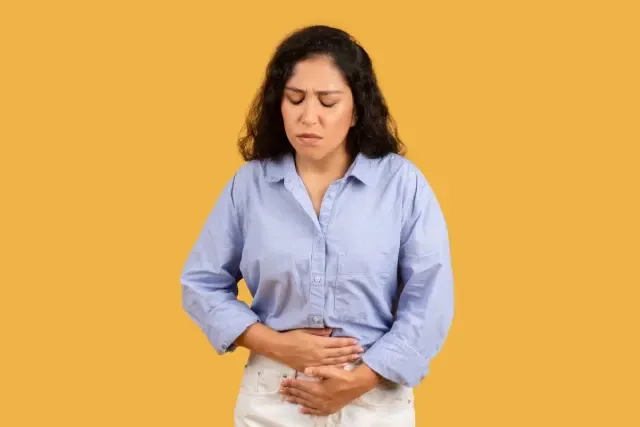
Irritable Bowel Syndrome & Menopause: A Gut Feeling Something’s Up?
Explore the potential link between IBS and menopause.
- 10 questions
- About 2 min
- Free & private
An educational self-check, not a diagnosis. Your answers are saved anonymously to improve our quizzes; we only contact you if you ask us to.

About this quiz
What this quiz covers
Explore the potential link between IBS and menopause. 10 short questions - answer honestly; there are no right or wrong answers.
- 1Have you experienced changes in your bowel habits (such as constipation, diarrhea, or alternating between the two) in the past six months?
- 2Do you experience abdominal pain or discomfort that is relieved by bowel movements?
- 3Have you noticed an increase in bloating or gas, especially around the time of your menstrual cycle or menopause?
- 4Do you experience any of the following symptoms: fatigue, sleep disturbances, or mood swings, particularly in relation to your digestive issues?
- 5Have you been formally diagnosed with irritable bowel syndrome by a healthcare professional?
- 6Are you currently experiencing menopause or perimenopause symptoms (e.g., hot flashes, night sweats, and irregular periods?
- 7Do you find that your IBS symptoms have worsened or changed with the onset of menopause and perimenopause?
- 8Have you discussed your digestive symptoms with your healthcare provider in the context of menopause?
- 9Have you made any lifestyle changes (e.g., diet, exercise, stress management) to manage your IBS or menopause symptoms?
- 10How would you rate the overall impact of your digestive symptoms on your quality of life?
Your result
What your score means
Score 0–7
Your score suggests that your IBS symptoms are less likely to be related to menopause. Other factors, such as diet, stress, or underlying health conditions, might be contributing to your discomfort. It’s still a good idea to consult with a healthcare professional to rule out other causes and receive appropriate treatment. Understanding the root cause of your symptoms can lead to more effective management and relief.
Score 8–15
Your score suggests a minor connection between your IBS symptoms and menopause. While menopause might not be the primary factor, it could still play a role in how your body is reacting. Discussing your symptoms with a healthcare provider could provide valuable insights and help you identify other potential triggers or contributing factors. Even small adjustments in your lifestyle or diet could make a difference in managing your symptoms.
Score 16–23
Your score indicates a moderate connection between your IBS symptoms and menopause. Hormonal fluctuations during this time could be contributing to digestive discomfort. It’s worth discussing your symptoms with a healthcare provider, who can help you explore lifestyle changes and treatments that may alleviate your symptoms. A holistic approach that considers both your digestive health and menopausal changes could provide relief.
Score 24–30
Your score strongly suggests that there may be a significant connection between your IBS symptoms and menopause. Hormonal changes during menopause can influence gut health, potentially exacerbating IBS symptoms. It’s advisable to consult with a healthcare provider to explore this connection further and discuss tailored management strategies. Together, you can develop a plan that addresses both your menopause symptoms and IBS, improving your overall quality of life.
This quiz is an educational self-check, not a diagnosis. If symptoms are affecting your daily life, please speak to a doctor.
Keep exploring