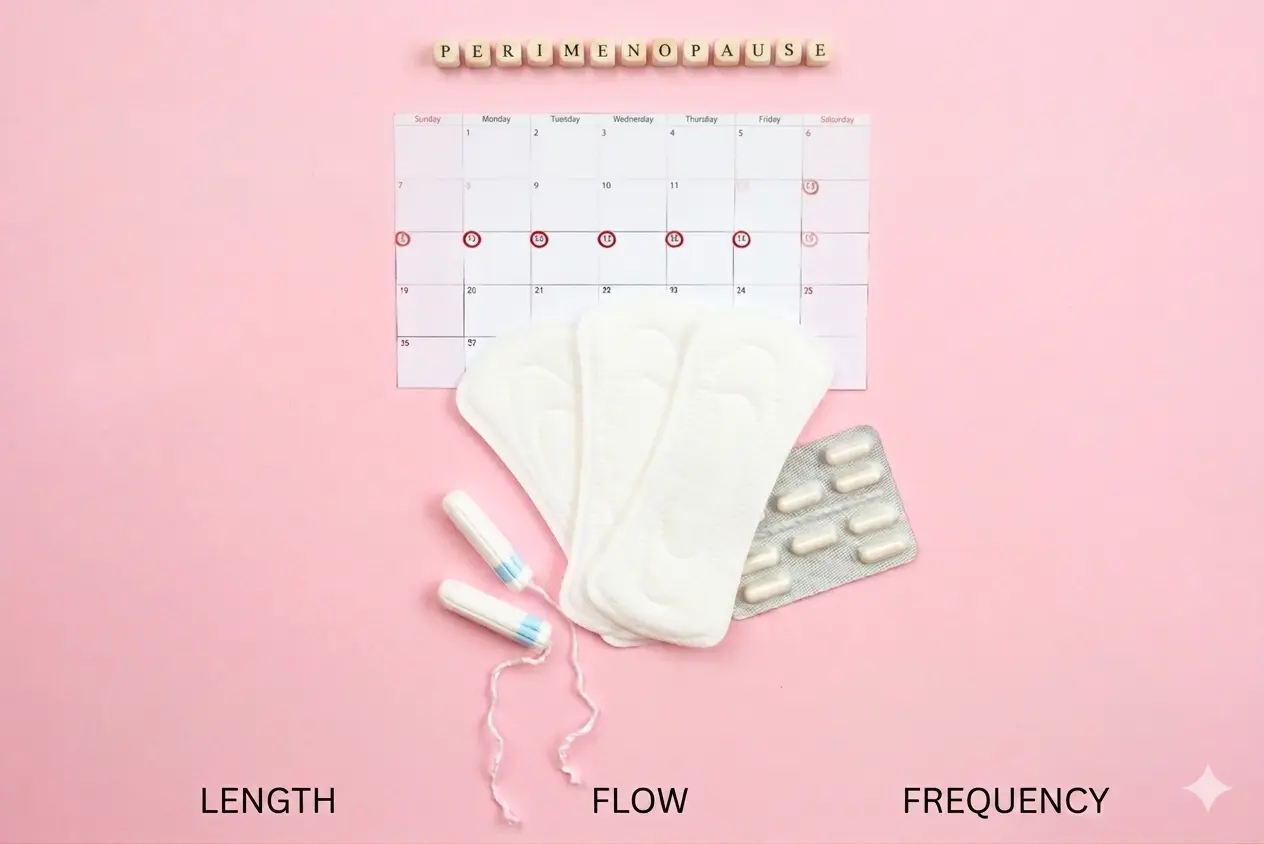


There are moments in a woman’s life when her body begins to feel quietly different.
Sleep becomes lighter. Period cycles shift. Emotions feel closer to the surface. Energy fluctuates without an obvious reason.
For many women in their 30s, 40s and beyond, these changes are not random.
Often, they are connected to one deeply influential hormone.
Progesterone.
Understanding progesterone is not only about fertility or periods. It is about recognising one of the body’s most intelligent hormonal messengers; one that influences mood stability, sleep quality, metabolic rhythm and long-term wellbeing.
When women understand progesterone clearly, symptoms stop feeling confusing.
They begin to feel interpretable.
This science-informed guide explains:
Progesterone functions in women’s health
Progesterone tablet uses in India
Common low progesterone symptoms
How hormonal transitions like perimenopause affect progesterone
Progesterone is a naturally produced steroid hormone mainly released by the ovaries after ovulation.
Its primary roles include:
Preparing the uterus for possible pregnancy
Regulating menstrual cycle timing
Balancing the effects of estrogen
However, modern endocrinology research shows progesterone influences far more than reproduction.
It plays important roles in:
Brain signalling and emotional regulation
Sleep architecture
Bone remodelling
Nervous system relaxation
Thermoregulation
Cardiometabolic adaptation
Studies suggest progesterone and its metabolites contribute to neuro-protection and hormonal equilibrium during reproductive transitions.
(Cleveland Clinic).
Understanding hormonal rhythm helps women interpret physical and emotional symptoms more compassionately.
| Phase | Typical Progesterone Pattern | Biological Role |
|---|---|---|
| Follicular phase | Low | Estrogen prepares ovulation |
| Ovulation | Rising | Signals luteal phase transition |
| Luteal phase | Peak | Supports uterine lining |
| Perimenopause / Menopause | Lower baseline | Reduced ovulation → reduced progesterone |
During perimenopause, ovulation may become inconsistent.
This means progesterone often declines earlier than estrogen, a key reason symptoms feel unpredictable.
(Natural Cycles).
1.) Supports Healthy Sleep:
Progesterone interacts with GABA receptors in the brain — pathways associated with calmness and sleep depth. Many women notice lighter sleep or night awakenings when progesterone declines.
2.) Balances Estrogen Activity:
Progesterone helps regulate growth of the uterine lining and may reduce estrogen related symptoms like heavy bleeding or breast tenderness. Balanced estrogen-progesterone signalling is essential for long-term reproductive health.
3.) Regulates Menstrual Rhythm:
Predictable cycles depend partly on adequate progesterone production after ovulation.
Lower levels may contribute to:
Irregular cycles
Spotting
Short luteal phases
4.) Supports Implantation and Early Pregnancy: Progesterone prepares the uterine environment for embryo implantation and helps stabilise early pregnancy physiology.
5.) Contributes to Bone Health:
Emerging research suggests progesterone may support osteoblast activity (bone-forming cells), working alongside estrogen in maintaining skeletal strength.
This becomes particularly relevant during perimenopause.
6.) Influences Emotional Stability:
Progesterone metabolites interact with serotonin and dopamine pathways involved in emotional resilience. Some women experience increased anxiety sensitivity when progesterone fluctuates.
7.) Helps Thermoregulation:
Progesterone affects hypothalamic temperature control, influencing basal body temperature and heat sensitivity. This partly explains temperature shifts during hormonal transitions.
8.) Supports Breast Tissue Regulation:
Balanced hormonal signalling may help regulate normal breast tissue turnover. Hormonal imbalance can contribute to cyclical breast discomfort or fibrocystic changes.
9.) Supports Cardiometabolic Adaptation:
Newer studies indicate progesterone may influence vascular tone and insulin sensitivity areas gaining attention in midlife women’s health research.
Hormonal shifts are rarely dramatic at first. They tend to appear as subtle patterns.
Commonly reported low progesterone symptoms include:
Irregular/Shorter menstrual cycles
Premenstrual anxiety or irritability
Sleep disturbance
Fertility challenges
Breast discomfort
Fatigue
Mood sensitivity
Perimenopausal hot flashes
These are not signs of weakness.
They are biological signals.
Research has increasingly explored luteal phase changes during hormonal transition years.
(Cleveland Clinic).
Doctors in India may prescribe progesterone therapy for several medical reasons.
Common clinical uses include:
| Condition | Purpose of Progesterone |
|---|---|
| Irregular periods | Supports cycle regulation |
| Fertility treatment | Supports implantation |
| Hormone replacement therapy (HRT) | Balances estrogen therapy |
| Endometrial protection | Prevents excessive lining growth |
| Perimenopause symptoms | May support sleep and mood |
In India, progesterone is usually prescribed by molecule name rather than brand name.
1.) Micronised Progesterone (natural hormone-identical form):
Common Indian brands: Susten, Dubagest, Lupigest, etc.
2.) Medroxyprogesterone Acetate (synthetic progestin):
Common brands: Meprate, Deviry, etc.
Women should always use hormonal medication under medical guidance.
Perimenopause is often the first stage when progesterone begins to decline.
Ovulation becomes inconsistent.
Estrogen may fluctuate.
Progesterone production reduces.
This hormonal shift can contribute to:
Sleep disruption
Mood variability
Cycle unpredictability
Temperature sensitivity
Understanding progesterone helps women interpret these transitions with greater self-awareness.
(Tara MD).
| Lifestyle Strategy | How It Supports Hormonal Health |
|---|---|
| Strength training | Supports metabolic signalling, improves insulin sensitivity, and helps maintain healthy endocrine function |
| Adequate protein intake | Provides essential amino acids required for hormone synthesis and cellular repair |
| Stress management | Helps stabilise cortisol levels, reducing negative interactions with progesterone and other reproductive hormones |
| Magnesium rich foods | Supports nervous system regulation, improves stress resilience, and may reduce PMS related symptoms |
| Consistent sleep timing | Maintains circadian rhythm stability, which is crucial for optimal hormonal signalling and endocrine balance |
Hormonal wellbeing is rarely about one intervention.
It is about integrated care.
(BodyLogicMD).
At Miror, progesterone is viewed not just as a fertility hormone, but as a meaningful pillar of midlife hormonal wellbeing.
With the launch of India’s first HRT Center of Excellence, Miror is pioneering structured hormone replacement therapy support for Indian women navigating perimenopause and menopause.
Through hormone literacy, expert consultation pathways and personalised wellness planning, women can understand hormonal transitions more proactively.
Hormonal changes are not problems to suppress.
They are biological conversations to interpret.
Progesterone influences far more than menstrual cycles.
It plays a role in sleep rhythm, emotional balance, bone strength, metabolic adaptation and reproductive readiness.
When women understand progesterone functions and recognise low progesterone symptoms early, they gain the confidence to respond thoughtfully rather than react fearfully.
Hormonal awareness is not about controlling the body.
It is about learning to listen.
And often, the body already knows the way toward balance.
Medical Disclaimer: This article is for informational and educational purposes only. It does not constitute medical advice and should not replace consultation with a qualified professional. Progesterone medications are prescription drugs requiring medical supervision. Individual hormonal needs vary significantly, always seek personalised assessment before starting or changing any hormone therapy.
Progesterone plays several essential roles in women’s health. Its primary functions include regulating the menstrual cycle, preparing the uterus for pregnancy, balancing estrogen activity, supporting deep sleep, stabilising mood, protecting bone density, regulating body temperature, and supporting cardiovascular and metabolic health.
Common low progesterone symptoms include irregular or shortened menstrual cycles, spotting between periods, anxiety, sleep disturbances, breast tenderness, fatigue, mood swings, fertility challenges, and hot flashes during perimenopause. These symptoms often indicate hormonal imbalance and may require medical evaluation.
Progesterone tablets are commonly prescribed to manage irregular or absent periods, provide endometrial protection during hormone replacement therapy, support fertility treatments, reduce abnormal uterine bleeding, and relieve certain perimenopause symptoms such as sleep disturbance and mood instability.
Bioidentical progesterone has the same molecular structure as natural progesterone produced by the ovaries, while synthetic progestins are chemically modified hormones that mimic progesterone activity. Bioidentical progesterone is often preferred for menopausal hormone therapy due to its more favourable metabolic and cardiovascular safety profile.
Progesterone levels may be supported through lifestyle strategies such as strength training, stress reduction, adequate protein intake, magnesium rich nutrition, and consistent sleep patterns. However, clinically low progesterone usually requires professional assessment and targeted treatment.



 ×
×