

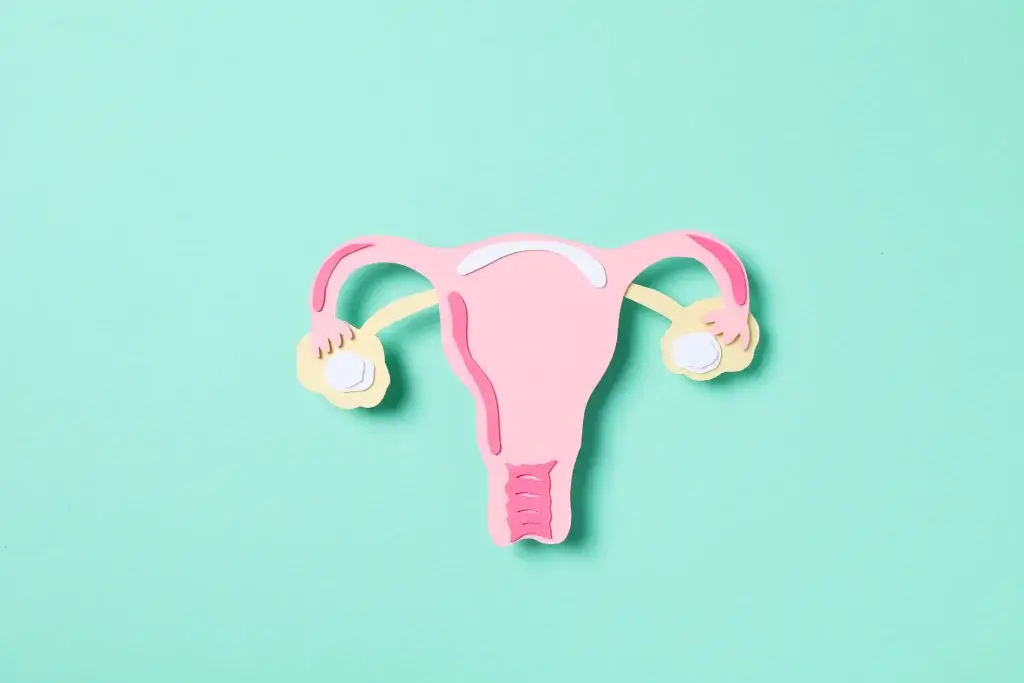
As women enter their 50s, conversations around menopause, hormonal health, and preventive surgeries become more common. One topic that often raises questions is ovary removal after age 50. Whether it’s recommended during a hysterectomy, advised because of ovarian cysts, or suggested due to a high risk of ovarian cancer, the decision can feel overwhelming.
Unlike many medical decisions, there isn’t a single answer that works for everyone. While removing the ovaries may significantly reduce the risk of ovarian cancer, it can also influence heart health, bone strength, cognitive function, and overall quality of life—even after menopause.
If your doctor has recommended surgery or you’re simply exploring your options, understanding both the benefits and potential downsides can help you make an informed decision.
In this guide, we’ll explain everything you need to know about ovary removal after age 50, including when it’s necessary, who benefits most, possible risks, recovery, and life after surgery.
Ovary removal, medically known as an oophorectomy, is a surgical procedure that removes one or both ovaries.
There are different types of surgery:
Even after menopause, the ovaries continue producing small amounts of hormones like estrogen, testosterone, and androstenedione. These hormones contribute to bone health, sexual function, cardiovascular health, and overall wellbeing. That’s why deciding on ovary removal after age 50 requires careful evaluation rather than assuming the ovaries are no longer useful.
There are several situations where healthcare providers may recommend ovary removal after age 50.
Women carrying inherited genetic mutations such as BRCA1 or BRCA2 have a much higher lifetime risk of ovarian cancer. In these cases, preventive removal of the ovaries can dramatically lower cancer risk and may even reduce breast cancer risk.
For women with these genetic mutations, surgery is often considered life-saving rather than optional.
An ovarian cyst after menopause deserves careful evaluation because ovarian cancer becomes more common with age.
While many ovarian cysts remain benign, doctors may recommend removing the ovary if imaging or blood tests suggest a higher risk of malignancy.
If ovarian cancer has already been diagnosed, removing both ovaries is typically part of treatment, often along with the uterus, fallopian tubes, and nearby tissues depending on the stage of disease.
Sometimes women continue experiencing:
When symptoms significantly affect daily life and other treatments fail, surgery may provide lasting relief.
One of the biggest discussions surrounding ovary removal after age 50 occurs when a woman is already undergoing a hysterectomy.
Years ago, surgeons routinely removed healthy ovaries during hysterectomy in women over 50. Today, recommendations have become much more individualized because research shows that conserving healthy ovaries may offer important long-term health benefits for many women.
This is perhaps the most important question.
The answer depends on several individual factors, including:
For women with average cancer risk, many experts now recommend preserving healthy ovaries when possible, particularly if there is no evidence of disease.
However, for women with significant hereditary cancer risk, removing the ovaries often provides greater long-term benefits.
Instead of asking whether everyone should have ovary removal after age 50, the better question is:
“Is ovary removal the right choice for my personal health profile?”
Although surgery isn’t necessary for everyone, there are several important benefits in the right circumstances.
Ovarian cancer is difficult to detect early because symptoms are often vague.
Removing both ovaries nearly eliminates the risk of developing ovarian cancer, making surgery highly beneficial for women with increased genetic risk.
For women carrying BRCA gene mutations, ovary removal after age 50 may also reduce the likelihood of developing breast cancer by lowering hormone exposure.
Once the ovaries are removed, women no longer have to worry about:
Women dealing with persistent pelvic pain, severe endometriosis, or recurring ovarian conditions often experience a meaningful improvement in quality of life after surgery.
Although menopause has already occurred, the ovaries continue producing small amounts of hormones that remain biologically active.
Because of this, ovary removal after age 50 isn’t completely without consequences.
Estrogen helps preserve bone density throughout life.
Removing the ovaries may accelerate bone thinning, increasing the likelihood of:
Your doctor may recommend bone density scans, calcium, vitamin D, weight-bearing exercise, or medications to help protect bone health.
Research suggests that retaining healthy ovaries may continue offering cardiovascular benefits after menopause.
Some studies indicate that women who undergo bilateral oophorectomy without a strong medical indication may experience a slightly higher long-term risk of cardiovascular disease, particularly when surgery occurs before the natural age of menopause. For women over 50, this risk appears to be lower than in younger women, but individual factors such as blood pressure, cholesterol, diabetes, and family history still matter.
Even after menopause, the ovaries produce small amounts of testosterone, which plays a role in sexual desire and overall wellbeing.
Some women notice:
The good news is that these concerns can often be managed with vaginal moisturizers, lubricants, pelvic floor therapy, or hormone-based treatments when appropriate.
For some women, surgery can bring peace of mind, especially if it greatly reduces cancer risk. For others, it may trigger feelings of loss, anxiety, or concerns about aging and identity.
These emotional responses are normal. Talking with your healthcare team, a counselor, or joining a support community can make the recovery journey easier.
This is one of the most common questions women ask.
If you’ve already reached natural menopause, removing your ovaries won’t cause a second menopause. However, because the ovaries still produce low levels of hormones after menopause, some women notice a temporary increase in symptoms such as hot flashes, night sweats, mood changes, or vaginal dryness after surgery.
These symptoms vary from person to person and often improve over time with the right support and treatment plan.
Recovery from ovary removal after age 50 depends on the type of surgery performed, your overall health, and whether the procedure was done on its own or alongside a hysterectomy.
If the surgery is performed laparoscopically (keyhole surgery), many women can return to light activities within two to four weeks. Open abdominal surgery usually requires a longer recovery period of six to eight weeks.
During recovery, it’s common to experience:
To support healing:
If you develop fever, severe pain, heavy bleeding, or redness around the incision, contact your healthcare provider immediately.
Many women worry that life will be dramatically different after surgery. The reality is that for most women, especially those who have already gone through menopause, daily life gradually returns to normal.
However, because the ovaries continue producing small amounts of hormones after menopause, some women notice subtle changes in the months following surgery.
Bone health becomes even more important after ovary removal after age 50.
To reduce the risk of osteoporosis:
A heart-healthy lifestyle is essential after surgery.
Focus on:
Some women notice vaginal dryness or changes in sexual desire after surgery.
Simple measures can make a significant difference:
Remember, sexual health is an important part of overall wellbeing, and help is available if symptoms affect your quality of life.
Choosing ovary removal after age 50 can bring relief, particularly if the surgery lowers a significant cancer risk. At the same time, adjusting to changes in your body can take time.
If you’re feeling anxious, overwhelmed, or emotionally low, don’t hesitate to seek support. Speaking with a mental health professional or joining a women’s health community can help you navigate this transition with confidence.
Not every woman requires hormone therapy after surgery.
Whether hormone therapy is recommended depends on several factors, including:
Women who undergo ovary removal before natural menopause are more likely to benefit from hormone therapy.
For women who have already gone through menopause, treatment decisions are usually based on symptoms rather than the surgery itself.
Always discuss the risks and benefits with a menopause specialist or gynecologist before starting hormone therapy.
Although ovary removal after age 50 is appropriate in many situations, surgery isn’t always necessary.
Doctors may recommend keeping healthy ovaries if:
Modern medical guidelines increasingly support personalized decision-making rather than routinely removing healthy ovaries based solely on age.
Before making a decision, consider asking:
These questions can help you better understand your options and feel more confident about your decision.
Deciding on ovary removal after age 50 is a deeply personal choice that should be based on your individual health, family history, and long-term goals. While removing the ovaries can significantly reduce the risk of ovarian cancer and resolve certain medical conditions, it may also influence bone health, heart health, and sexual wellbeing.
Rather than assuming surgery is the right—or wrong—choice based on age alone, it’s important to have an informed discussion with your healthcare provider. Together, you can weigh the benefits and risks and choose the approach that best supports your overall health and quality of life.
If you’re navigating menopause or considering surgery, remember that you don’t have to make these decisions alone. Reliable information, expert guidance, and a supportive community can make all the difference.
Not always. Whether the ovaries should be removed depends on your medical history, cancer risk, family history, and the condition of your ovaries. Many women with healthy ovaries and an average cancer risk may benefit from preserving them, while others with a high genetic risk may be advised to have them removed.
If you've already gone through natural menopause, removing your ovaries won't trigger menopause again. However, because the ovaries continue producing small amounts of hormones after menopause, some women may notice temporary changes such as hot flashes, vaginal dryness, or mood changes after surgery.
Potential long-term effects include an increased risk of bone loss, osteoporosis, changes in sexual function, and possible impacts on cardiovascular health. These risks vary depending on your age, overall health, and the reason for surgery. Regular follow-up care and healthy lifestyle habits can help reduce many of these risks.
Yes. Most women continue to live healthy, active lives after ovary removal. Maintaining a nutritious diet, staying physically active, protecting bone health, and attending regular health check-ups are key to supporting long-term wellbeing after surgery.
Not necessarily. Women who are already postmenopausal may not need hormone therapy unless they experience bothersome symptoms. The decision depends on your medical history, current symptoms, and personal risk factors, so it's important to discuss this with your healthcare provider.
| Sr. No. | Reference Links |
|---|---|
| 1. | Perimenopause as a Neurological Transition State |
| 2. | Cognition and Mood in Perimenopause |
| 3. | British Menopause Society |