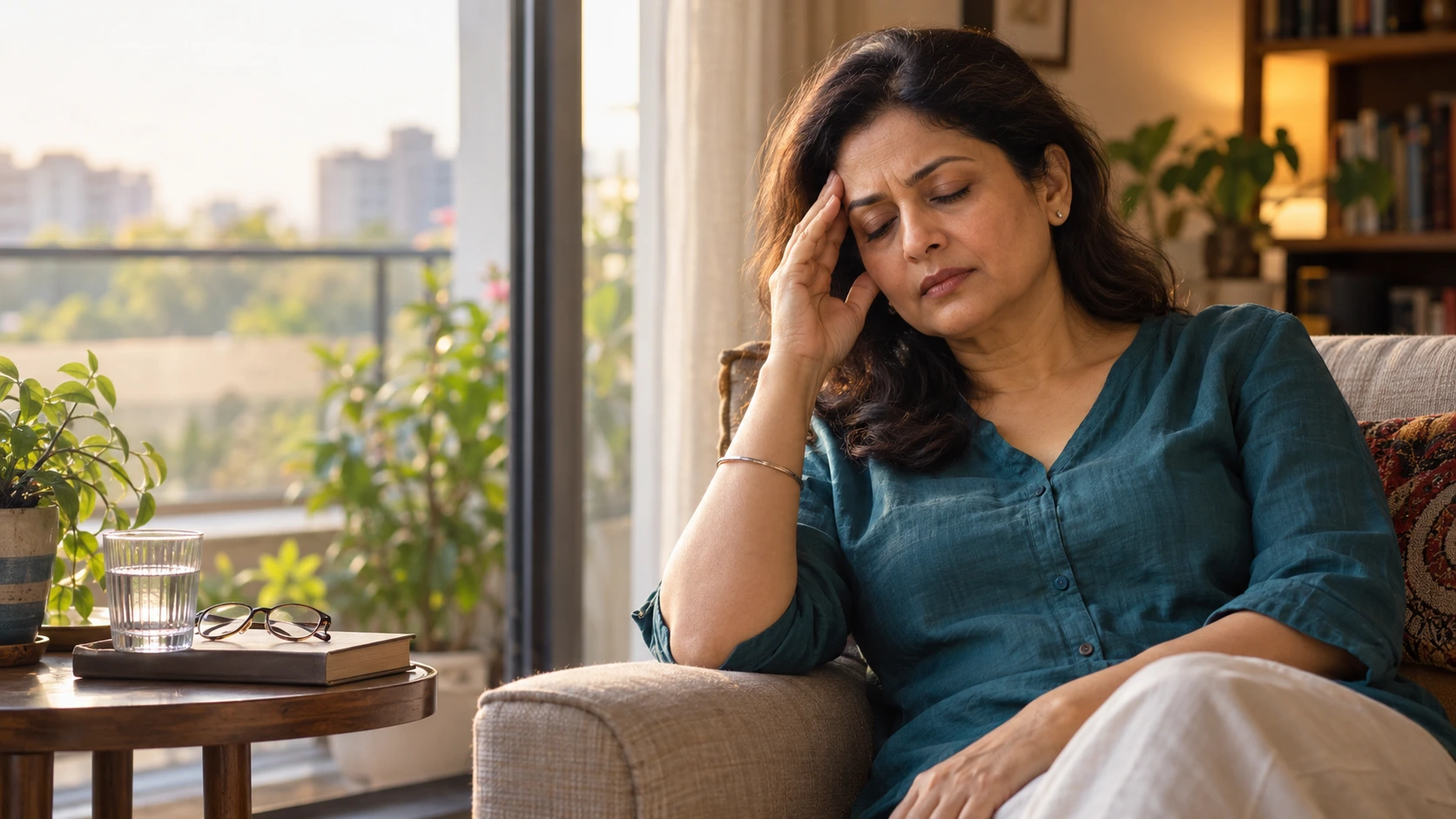


Low libido menopause is one of the most common yet least discussed concerns women experience during perimenopause and menopause. Many women notice a reduced interest in sex, lower arousal, or a shift in how they experience intimacy. Many women notice a reduced interest in sex, lower arousal, or a shift in how they experience intimacy. While these changes can feel frustrating or concerning, they are often a normal response to the hormonal, physical, and emotional transitions that occur during midlife.
Low libido during menopause is incredibly common, yet it is often misunderstood. Many women assume that declining hormones are solely responsible for a reduced sex drive during menopause. While hormonal changes certainly play an important role, nutrition, stress, sleep, mood, relationship factors, and overall health frequently influence sexual desire and satisfaction.
In my practice, I encourage women to view libido as part of a much bigger picture. Energy levels, emotional wellbeing, nutritional status, and lifestyle habits all affect how we feel physically and emotionally. Understanding these influences can help women take a more empowered and realistic approach to supporting their sexual health.
What Is Low Libido During Menopause?
Low libido during menopause refers to a persistent or recurring reduction in sexual desire, interest, arousal, or responsiveness that occurs during perimenopause, menopause, or post-menopause. It may develop gradually, fluctuate over time, and be influenced by hormonal, physical, emotional, and lifestyle factors.
Low sex drive menopause symptoms can look different from one woman to another. Some women notice they think about sex less often, while others experience reduced arousal or less interest in initiating intimacy. Some find that their desire fluctuates significantly from week to week, while others experience a more consistent decline.
Importantly, there is no universal “normal” when it comes to libido. Sexual desire naturally varies between individuals and changes throughout life. Menopause and libido changes exist on a spectrum, and understanding this variation can help women avoid unnecessary self-judgment.
Why Does Libido Change During Menopause?
Why Does Low Libido Happen During Menopause?
Hormonal changes are one of the most significant reasons libido during menopause may change.
As estrogen levels decline, women often experience vaginal dryness, reduced vaginal elasticity, and discomfort during intimacy. When sex becomes physically uncomfortable, it is understandable that desire may decrease.
Testosterone also contributes to female sexual desire and arousal. Although women produce much smaller amounts than men, age-related changes in testosterone levels may influence libido in some women.
However, low libido during menopause is rarely caused by hormones alone. Many women experience disrupted sleep due to night sweats, hot flushes, or changing sleep patterns. Poor sleep affects energy, mood, stress resilience, and overall wellbeing. Fatigue alone can significantly reduce interest in intimacy.
Emotional factors also play an important role. Anxiety, low mood, increased stress, body image concerns, and changing relationship dynamics may all influence sexual desire. Midlife can also bring substantial life pressures, including career responsibilities, caring for children, supporting ageing parents, and managing personal health concerns.
For this reason, reduced sex drive menopause symptoms are usually multifactorial rather than the result of a single cause.
The Nutrition-Libido Connection: What I Focus On First
When supporting women experiencing low libido during menopause, I rarely begin by focusing on supplements. Instead, I assess whether the body has the nutritional foundation required to support energy, hormone production, mood regulation, and overall wellbeing.
Zinc
Zinc plays an important role in reproductive health, immune function, and hormone production. It is involved in numerous biochemical processes that support overall health and may contribute to healthy sexual function.
Food sources of zinc include oysters, seafood, pumpkin seeds, sesame seeds, legumes, eggs, nuts, and quality animal proteins.
2. Iron and Ferritin
Low ferritin is one of the most overlooked findings I see in women struggling with persistent fatigue.
Ferritin reflects the body’s stored iron reserves. When iron stores are depleted, women may experience low energy, poor concentration, reduced motivation, and diminished vitality. These symptoms can indirectly affect libido and overall quality of life.
Women who experienced heavy menstrual bleeding during perimenopause may be particularly vulnerable to low iron stores.
3.Vitamin D
Vitamin D supports immune health, mood regulation, muscle function, and overall vitality. Low vitamin D levels have been associated with fatigue and reduced wellbeing, both of which can influence sexual health.
4. Healthy Fats
Healthy fats and hormones are closely connected. Dietary fats provide essential building blocks for hormone production and support healthy cell membranes throughout the body.
Foods such as olive oil, avocados, nuts, seeds, and oily fish are valuable additions to a menopause nutrition plan.
5. Protein Intake
Adequate protein supports muscle health, neurotransmitter production, stable energy levels, and blood sugar regulation.
Balanced blood sugar levels can help support mood stability, energy, and resilience to stress. This is why I encourage women to include a quality source of protein with every meal.
Rather than focusing on a single nutrient, nutrition for libido should center on overall nutritional adequacy and consistency.
Why Libido Reflects Whole-Body Health
Sexual desire does not exist in isolation. It reflects what is happening throughout the body.
Just as hair health often reflects overall health, libido can provide important insights into what is happening throughout the body.
When the body feels exhausted, overwhelmed, chronically stressed, or undernourished, sexual desire is often one of the first functions to be affected. From a physiological perspective, the brain prioritizes survival over reproduction when resources feel limited.
Sleep quality, emotional wellbeing, metabolic health, inflammation, and stress all influence sexual desire. Women experiencing chronic stress often have elevated cortisol levels, which can affect energy, mood, recovery, and overall wellbeing.
Relationship satisfaction and emotional connection also matter. Feeling emotionally supported, safe, and connected often contributes significantly to sexual satisfaction.
This is why women’s sexual health menopause concerns are best approached through a whole-body lens rather than focusing exclusively on hormones.
Nutrition and Lifestyle Strategies That Support Libido
Supporting libido during menopause starts with supporting overall health. Building meals around high-quality protein sources can help maintain stable energy and support hormone and neurotransmitter production. Including zinc-rich foods such as seafood, pumpkin seeds, legumes, nuts, and eggs alongside iron-rich foods such as lentils, beans, lean meats, and leafy greens can help improve nutritional adequacy and support vitality.
Healthy fats from olive oil, avocados, nuts, seeds, and oily fish provide important nutritional support for hormone health and cellular function. Colourful fruits and vegetables supply antioxidants, fiber, vitamins, minerals, and phytonutrients that support healthy ageing and reduce inflammation.
Regular resistance training can help improve strength, body composition, metabolic health, confidence, and overall wellbeing. Prioritizing sleep and creating supportive evening routines can improve recovery, energy, and emotional resilience. Stress-management practices such as mindfulness, journaling, breathwork, spending time in nature, or simply creating more opportunities for rest can also have a meaningful impact.
Equally important is emotional connection. Open communication, relationship satisfaction, and nurturing intimacy can positively influence desire and sexual wellbeing.
Women often assume low libido is something they simply have to accept during menopause, but I frequently find that addressing underlying nutritional and lifestyle factors can make a meaningful difference.
The Hidden Factors Behind Low Libido
After working with many women through perimenopause and menopause, I have found that low libido during menopause is often blamed entirely on hormones…
Chronic stress and burnout are among the most common contributors I see. Many women spend years caring for others while consistently placing their own needs last. Over time, this can leave little emotional or physical energy available for intimacy.
Sleep deprivation is another frequently overlooked factor. Even modest reductions in sleep quality can affect mood, motivation, resilience, and desire.
Low ferritin and other nutrient deficiencies may contribute to persistent fatigue and reduced vitality. Under-eating and restrictive dieting can also negatively affect energy levels, recovery, and overall wellbeing.
Relationship dynamics, emotional disconnection, unresolved conflict, body image concerns, and mental health challenges may all influence libido. At the same time, many women become discouraged after trying supplements or quick fixes that fail to address the underlying causes.
Meaningful improvement often comes from identifying and addressing the root contributors rather than searching for a single solution.
Low Libido Menopause: Taking a Whole-Body Approach
Low libido during menopause is rarely about hormones alone.
Hormones matter. Nutrition matters. Stress matters. Sleep matters. Emotional wellbeing matters. Overall health matters.
When women understand that sexual desire reflects the interaction between physical, emotional, hormonal, and lifestyle factors, they are often able to approach these changes with greater confidence and self-compassion.
Rather than chasing quick fixes, focusing on nourishment, movement, restorative sleep, stress management, emotional wellbeing, and healthy ageing provides a more sustainable path forward.
Menopause is not the end of sexual wellbeing. With the right support and a whole-body approach, many women experience meaningful improvements in energy, confidence, intimacy, and quality of life.
Looking for More Guidance?
Download the MIROR app for expert-led education, practical wellness tools, and ongoing support designed to help women better understand and support their health.
FAQs
No. While many women experience changes in sexual desire during menopause, not everyone develops low libido. Hormones, lifestyle factors, overall health, and relationship dynamics all influence individual experiences.
Yes. Nutritional deficiencies may contribute to fatigue, low mood, reduced energy, and diminished wellbeing, which can indirectly affect sexual desire.
Yes. Regular physical activity, particularly resistance training, can support energy levels, mood, body confidence, circulation, and overall wellbeing. While exercise isn't a direct treatment for low libido, feeling stronger, sleeping better, and managing stress can all have a positive impact on sexual desire.
Yes. Some medications, including certain antidepressants, blood pressure medicines, and other prescription drugs, may contribute to reduced sexual desire in some women. If you've noticed changes in your libido after starting a new medication, speak to your healthcare provider before making any changes to your treatment.
Yes. Chronic stress can affect energy, mood, sleep, and emotional wellbeing, all of which influence sexual desire. Managing stress through regular movement, relaxation techniques, adequate rest, and emotional support may help improve overall wellbeing and intimacy.