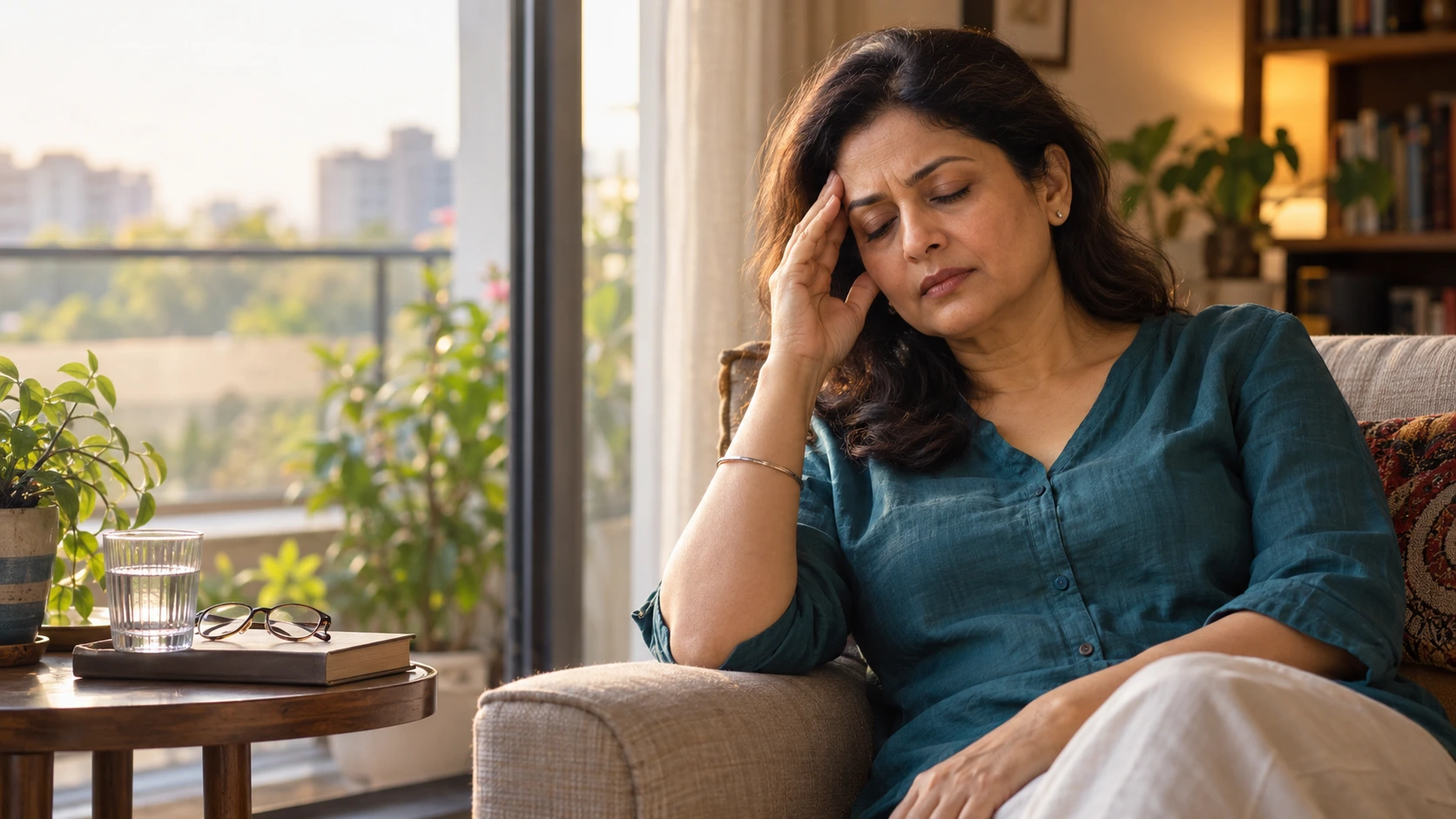


Midlife Women Loneliness can be one of the most misunderstood emotional experiences in a woman’s life because, from the outside, nothing may look obviously wrong.
There may be a family. A job. A marriage. Children. Parents to care for. Friends on WhatsApp. A calendar that is never empty. People may need you every hour of the day, yet somehow, you may still feel unseen.
This is the quiet contradiction of loneliness in midlife. It is not always the absence of people. Sometimes it is the absence of being emotionally met.
The World Health Organization recognises loneliness and social isolation as serious public health concerns with effects on physical health, mental health, quality of life and longevity. Around one in six people globally experience loneliness, and loneliness is linked with depression, anxiety, cognitive decline, cardiovascular disease, diabetes and premature death.
For women, the midlife years can be especially vulnerable. Hormonal transitions, perimenopause, sleep disruption, caregiving pressure, relationship changes, career fatigue, body changes and emotional labour often arrive at the same time. The result is not simply sadness. It can feel like a deep disconnection from yourself and the life you have built.
Why Midlife Loneliness Feels Different for Women?
Midlife loneliness is rarely one thing. It is usually biological, psychological and social.
Perimenopause and menopause may influence mood, sleep, anxiety and emotional regulation. At the same time, many women are managing ageing parents, growing children, professional pressure, financial responsibility, marriage changes or identity shifts. Indian research among rural women in Mysuru found that perceived social support was associated with menopausal symptom severity, reminding us that women’s health is not only hormonal, it is also social. (PMC)
In simple words, a woman may not be lonely because she is alone. She may be lonely because she is carrying too much without enough emotional nourishment.
Midlife Loneliness: What It Can Look Like
| What People See | What She May Feel Inside |
|---|---|
| A busy woman | Emotionally exhausted |
| A full household | Unseen or taken for granted |
| A stable marriage | Lacking emotional intimacy |
| A successful career | Disconnected from purpose |
| Active family life | No space for her own needs |
| Social media presence | No real place to be vulnerable |
8 Painful Signs of Midlife Women Loneliness
1. You Feel Needed, but Not Known
Many midlife women are surrounded by people who depend on them, but dependency is not the same as intimacy.
You may be asked about groceries, appointments, bills, meals, medicines and schedules, but rarely about your fears, desires, dreams or fatigue. Over time, being needed without being emotionally known can create a very specific loneliness.
It sounds like: “Everyone comes to me, but no one really sees me.”
2. You Miss the Woman You Used to Be
Midlife loneliness often carries grief.
You may miss the younger version of yourself who laughed more easily, had stronger friendships, felt more desired, took more risks or had more time for herself. This does not mean your current life is wrong. It means parts of you may have been postponed for too long.
This can become sharper during perimenopause, when sleep changes, mood shifts and body changes make a woman feel unfamiliar to herself.
3. You Feel Lonely in Your Relationship
Being married or partnered does not protect a woman from loneliness.
Emotional loneliness can appear when conversations become logistical, affection reduces, conflict is avoided, or intimacy feels distant. Many women do not want dramatic change. They simply want tenderness, attention and honest conversation.
Loneliness inside a relationship can feel harder to admit because it carries shame. But clinically, it is important. Emotional disconnection can affect mood, sleep, desire and self worth.
4. Your Friendships Have Become Thinner
Friendships often change in midlife. People move cities, become busier, enter different life stages, care for parents, focus on children, or retreat into their own stress.
You may still have friends, but fewer spaces where you can speak without performing. The connection becomes polite, occasional or practical.
This matters because social connection is deeply linked to health. The National Academies report describes loneliness and social isolation as serious, under recognised public health risks associated with poorer physical and mental health outcomes.
5. You Feel Irritable, Numb or Easily Hurt
Loneliness does not always feel like sadness. In midlife, it can show up as emotional reactivity.
You may snap more quickly, feel unusually sensitive to small comments, withdraw from conversations, or go quiet because explaining yourself feels exhausting. You may feel numb in situations where you once felt engaged, or hurt by the smallest sign that you are not being considered.
This often happens when a woman has gone too long without feeling emotionally held. The nervous system begins to protect itself. Irritation becomes a boundary. Numbness becomes a shield. Easy hurt becomes the mind’s way of saying, “I am already carrying too much.”
For many midlife women, this is not about being difficult. It is about feeling unseen, unheard and emotionally depleted for too long.
6. You Keep Functioning, but Feel Emotionally Empty
This is one of the most common midlife patterns.
You are doing everything. Work gets done. Meals happen. Calls are returned. Family needs are managed. But inside, there is a quiet blankness.
This is where women often confuse loneliness with laziness, ingratitude or weakness. It is none of those. Emotional emptiness may be a sign that the body and mind are asking for connection, rest and meaning, not just productivity.
7. You Avoid Sharing Because You Do Not Want to Burden Anyone
Many women become experts at self silencing.
You may tell yourself, “Everyone has problems.” You may avoid sharing because you do not want to worry your family, upset your partner, or sound dramatic to friends. But when pain has nowhere to go, it often turns inward.
This is especially common among women who have always been the strong one.
Strength is beautiful. But strength without support becomes isolation.
8. You Feel Invisible in Your Own Life
Perhaps the deepest sign of midlife loneliness is invisibility.
You may feel that your body, your emotional needs, your sexuality, your ambitions or your inner world have become secondary. You may feel seen as a mother, wife, daughter, employee or caregiver, but not as a woman.
This is why midlife loneliness deserves clinical attention and compassion. It can overlap with depression, anxiety, burnout, perimenopause symptoms, thyroid imbalance, low iron, poor sleep and chronic stress. It should not be dismissed as “just a phase.”
Loneliness Versus Depression: When to Pay Attention
| Loneliness May Feel Like | Depression May Feel Like |
|---|---|
| Wanting connection but not having enough meaningful support | Losing interest in most things, even when support is available |
| Feeling unseen or emotionally unmet | Persistent sadness, hopelessness or emptiness |
| Better mood after genuine connection | Little improvement even after positive events |
| Missing intimacy, friendship or belonging | Changes in sleep, appetite, energy and self worth |
| Situational or relationship linked | Persistent and affecting daily function |
This table is not for self diagnosis. If sadness, hopelessness, panic, loss of interest, sleep disruption or thoughts of self harm appear, please seek professional help promptly.
What Helps Midlife Women Feel Less Lonely?
The answer is not simply “meet more people.” Many lonely women already meet people every day. The answer is meaningful connection, emotional safety and clinical awareness.
Begin with one honest conversation. Tell someone you trust, “I have been feeling lonely, even though life looks full.” That sentence alone can become a doorway.
Rebuild friendships intentionally. Schedule one walk, one call or one coffee that is not about errands or obligations. Join spaces where you are not only serving others, but also being supported.
Protect sleep and body rhythm. Poor sleep can worsen emotional sensitivity and anxiety. Movement, strength training, morning light, protein rich meals and reduced late caffeine can support mood and energy.
Consider therapy or counselling. A trained professional can help separate loneliness from depression, anxiety, relationship distress, menopause related mood changes or burnout.
Speak to a doctor when symptoms are persistent. Thyroid issues, anaemia, vitamin deficiencies, perimenopause, menopause, medication changes and chronic sleep problems can all affect emotional wellbeing.
Where Miror Revive and Miror Bliss Fit In
Women’s emotional wellbeing is connected to the body. For women over 30, Miror Revive is designed as a daily multi care supplement that supports energy, mood, brain health, gut health, immunity and healthy ageing, with ingredients such as trans resveratrol from Japanese knotweed extract, CoQ10, curcumin, brahmi, vitamin C, glutathione and ashwagandha.
For women navigating perimenopause, Miror Bliss supports perimenopause care with 18 ingredients including magnesium glycinate, shatavari, lodhra bark and ashwagandha. It is created to support sleep, mood, hot flashes, menstrual discomfort and hormonal wellness during the transition.
These are not treatments for loneliness, depression or anxiety. But when used as part of a broader care routine that includes medical guidance, nutrition, sleep, movement and community, they can support women through the physical and emotional demands of midlife.
The Miror Perspective
Midlife Women Loneliness is not a failure of gratitude.
It is not proof that a woman is unloving, weak or difficult. It is often a signal that she has spent years being useful, responsible and available, while her own need for connection has been quietly deferred.
At Miror, we believe women should not have to move through midlife alone. Miror is India’s largest 360 degree women’s wellness ecosystem, with over 95,000 women across the country. Through the Miror app, communities, expert events and access to doctors, OBGYNs, nutritionists and dietitians, women can find support that is scientific, compassionate and community driven.
If life looks full but your heart feels lonely, listen to that feeling.
It is not weakness.
It is information.
And it may be the beginning of finally choosing connection, care and support for yourself.
Join the Miror app today and find a community that understands women’s health, not just from the outside, but from the inside too.
FAQs
Midlife Women Loneliness often happens because a woman may be surrounded by people, responsibilities and routines, but still feel emotionally unseen. Many women in midlife are managing work, family, ageing parents, relationships, caregiving and hormonal changes at the same time. Life may look full from the outside, but inside, there may be a lack of emotional connection, support, rest and personal space.
Common signs of loneliness in midlife women include feeling emotionally empty, feeling needed but not understood, withdrawing from friends, irritability, numbness, sadness, feeling invisible in relationships, missing your old self and avoiding conversations because you do not want to burden others. Loneliness can also affect sleep, mood, energy and motivation.
Yes, perimenopause and menopause can make loneliness feel more intense for some women. Hormonal changes may affect mood, sleep, anxiety, confidence, body image and emotional sensitivity. When these changes happen alongside caregiving stress, relationship changes or social disconnection, women may feel more isolated or misunderstood.
Loneliness and depression are not the same, but they can overlap. Loneliness usually involves a lack of meaningful connection or feeling emotionally unsupported. Depression may include persistent sadness, hopelessness, loss of interest, sleep or appetite changes, low energy and difficulty functioning. If loneliness comes with ongoing sadness, hopelessness or thoughts of self harm, it is important to seek professional help.
Midlife women can cope with loneliness by rebuilding meaningful friendships, having honest conversations, joining supportive communities, seeking therapy, prioritising sleep, moving regularly and asking for help without guilt. Community support can be especially powerful. Platforms like the Miror app help women connect with experts, doctors, nutritionists, dietitians and other women navigating similar midlife health and emotional changes.