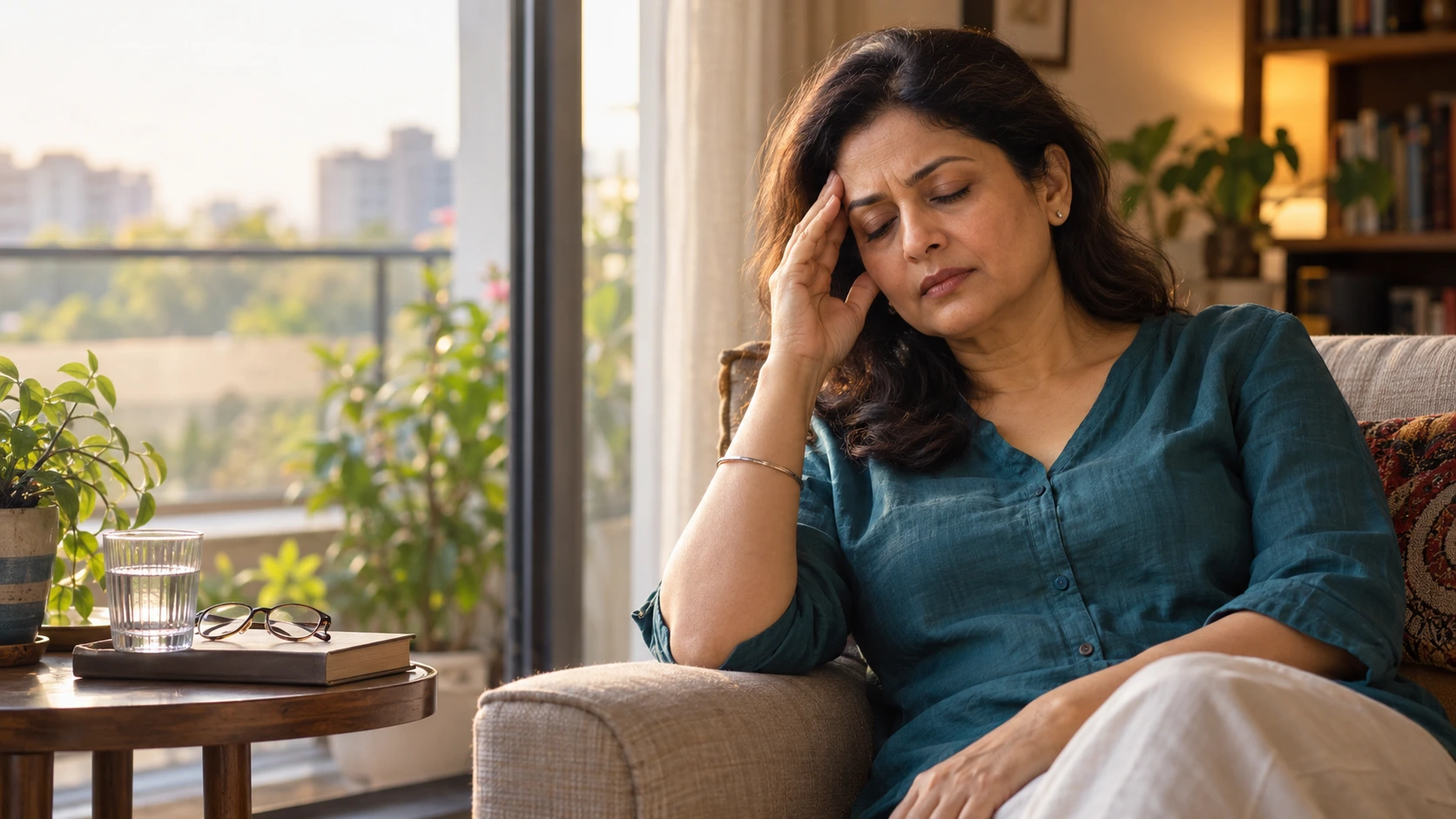

Serotonin is often called the “happy chemical,” but that phrase barely does justice to what it actually does in a woman’s body.
It is not a switch that simply turns happiness on or off. It is a chemical messenger involved in mood, sleep, appetite, digestion, pain sensitivity, emotional steadiness and stress response. It helps the brain and body maintain a sense of balance.
When serotonin pathways are not well supported, the world can begin to feel sharper, heavier and more difficult to manage. It is also connected to sleep and digestion, which is why mood symptoms so often travel with poor sleep, gut changes and cravings.
(Health)
For women, serotonin becomes even more important because it does not work alone. It is influenced by hormones, especially estrogen, and it may shift across the menstrual cycle, pregnancy, postpartum recovery, perimenopause and menopause.
During perimenopause, a global analysis of 9,141 women found that perimenopausal women had around a 40 percent higher risk of depressive symptoms or diagnosis compared with premenopausal women, with researchers pointing to changing estrogen and neurotransmitter metabolism as one possible biological pathway.
(The Guardian)
This is why women’s mood should never be dismissed as “just emotions.” Sometimes, it is neurochemistry asking to be understood.
Why Serotonin Matters So Much for Women
| Serotonin Role | How It May Show Up in Women |
|---|---|
| Mood regulation | Low mood, emotional sensitivity, irritability |
| Sleep support | Light sleep, waking often, poor restoration |
| Appetite control | Sugar or carbohydrate cravings |
| Stress response | Lower tolerance, anxiety, overwhelm |
| Pain sensitivity | Headaches, body aches, period discomfort |
| Gut function | Digestive irregularity with mood changes |
8 Powerful Truths About Serotonin and Women’s Mood and Well-being
1. Serotonin Is About Emotional Steadiness, Not Constant Happiness:
A balanced serotonin system does not mean you feel joyful every minute. It means your emotional baseline feels more stable. You can feel stress without collapsing under it. You can feel sadness without being swallowed by it. You can recover from difficult moments with more ease.
When serotonin support feels low, many women describe not depression exactly, but a softer loss of emotional resilience. Things that once felt manageable suddenly feel too much.
2. Estrogen and Serotonin Are Closely Connected:
Estrogen is not only a reproductive hormone. It also affects brain chemistry. Research around menopause and mood notes that estrogen can influence neurotransmitters including serotonin, dopamine, norepinephrine and endorphins, all of which affect emotional state.
This is why mood symptoms may appear around hormonal shifts, even in women who have never previously struggled with anxiety or low mood. The problem is not weakness. The chemistry is changing.
3. Your Mood May Shift Across Your Cycle:
Many women notice that mood, sleep, cravings and anxiety change before their period. This is not random.
As hormones fluctuate across the menstrual cycle, serotonin related symptoms may become more noticeable, especially in the luteal phase, the days before menstruation. Some women experience irritability, sadness, cravings, low motivation or poor sleep. In more severe cases, symptoms may suggest PMS or PMDD and should be discussed with a clinician.
(Cleveland Clinic).
4. Perimenopause Can Disrupt Serotonin Support:
Perimenopause can feel like an emotional identity crisis because hormonal patterns become less predictable. Estrogen may rise and fall unevenly before eventually declining. Sleep may become lighter. Hot flashes and night sweats may disturb rest. Anxiety may appear without a clear trigger.
This matters because serotonin and sleep are deeply connected. If sleep breaks down, emotional regulation often becomes harder. If estrogen fluctuates, neurotransmitter support may feel less steady. Together, this can make a capable woman feel suddenly unlike herself.
5. Chronic Stress Can Drain Emotional Resilience:
Many women are not “too sensitive.” They are overextended.
Chronic stress, caregiving, work pressure, financial strain, emotional labour, poor sleep and constant digital stimulation can keep the nervous system activated. Stress is also linked with cortisol, and chronic stress may affect serotonin availability and mood stability.
(Health)
This is why rest is not indulgence. It is nervous system repair.
6. Gut Health and Mood Are Connected:
A large amount of the body’s serotonin is associated with the gut, which is one reason digestive health and mood often influence each other. This does not mean gut serotonin directly “creates happiness,” but it does mean the gut, nervous system and brain communicate closely.
(Wikipedia)
For women who notice bloating, constipation, acidity or irregular digestion alongside anxiety or low mood, the gut mood connection is worth exploring with a healthcare professional.
7. Low Serotonin Symptoms Can Look Like Everyday Burnout:
Low serotonin is not diagnosed by mood alone, but certain patterns may suggest that your emotional system needs support.
| Possible Sign | How It May Feel |
|---|---|
| Low mood | Life feels dull, heavy or joyless |
| Anxiety | Small things feel threatening |
| Poor sleep | Rest does not feel restorative |
| Cravings | Sugar or carbs feel urgent |
| Irritability | Patience feels unusually thin |
| Brain fog | Focus and motivation feel harder |
| Pain sensitivity | Headaches or aches feel stronger |
| Emotional flatness | You feel disconnected from yourself |
These symptoms can also be linked to thyroid imbalance, iron deficiency, vitamin B12 deficiency, vitamin D deficiency, depression, anxiety disorders, perimenopause, medication effects or chronic stress. Please do not self diagnose serotonin imbalance from symptoms alone.
8. Serotonin Can Be Supported, but Not With One Magic Fix:
Serotonin support is not about chasing one supplement or one trend. It is about building a body rhythm that supports mood chemistry.
Helpful foundations include morning sunlight, regular movement, sufficient protein, tryptophan rich foods, gut supportive meals, sleep protection, stress reduction and social connection. Exercise, tryptophan containing foods, sunlight exposure and stress management are commonly discussed as lifestyle supports for serotonin and mood.
What Helps Support Serotonin Naturally?
| Support Area | Practical Step |
|---|---|
| Light | Get morning sunlight for 10 to 20 minutes |
| Food | Include protein, curd, nuts, seeds, eggs or dal |
| Movement | Walk, strength train, dance or do yoga regularly |
| Sleep | Keep consistent sleep and wake times |
| Stress | Practise breathing, journaling or therapy |
| Gut health | Add fibre, fermented foods and hydration |
| Medical care | Rule out deficiencies and hormone related causes |
Where Miror Revive and Miror Bliss Fit In
For women over 30, Miror Revive is designed as a daily multi care supplement that supports energy, mood, brain health, gut health, immunity and healthy ageing. It includes ingredients such as trans resveratrol from Japanese knotweed extract, CoQ10, curcumin, brahmi, vitamin C, glutathione and ashwagandha.
For women navigating perimenopause, Miror Bliss supports hormonal wellness with 18 ingredients including magnesium glycinate, shatavari, lodhra bark and ashwagandha. It is created to support sleep, mood, hot flashes, menstrual discomfort and perimenopause care.
DISCLAIMER: Neither Miror Revive nor Miror Bliss should be seen as a treatment for depression, anxiety or diagnosed serotonin related disorders. But they can be part of a broader women’s wellness routine when used alongside medical guidance, nutrition, sleep, movement and emotional support.
When Should You Seek Help?
Speak to a healthcare professional if low mood, anxiety, sleep disturbance, panic, emotional numbness, appetite changes or loss of interest lasts for more than two weeks, worsens before every period, appears during perimenopause, or interferes with work, relationships or daily life.
Seek urgent help if you experience thoughts of self harm or feel unsafe.
The Miror Perspective
Serotonin is not just about mood. It is connected to hormones, sleep, stress, gut health, cravings, pain and the quiet emotional resilience women need every day.
At Miror, we believe women deserve care that sees the whole picture. Miror is India’s largest 360 degree women’s wellness ecosystem, with over 95,000 women across the country. Through the Miror app, communities, expert events and access to doctors, OBGYNs, nutritionists and dietitians, women can find support that is science backed, compassionate and community driven.
Your mood is not a personal failure. Your body is not being dramatic.
It may be asking for better support.
Join the Miror app today and find expert led care for your hormones, mood, energy and midlife wellbeing.
FAQs
Serotonin is a neurotransmitter that helps regulate mood, sleep, appetite, emotional resilience, anxiety, pain sensitivity and cognitive function. For women, serotonin is especially important because it is closely connected to estrogen, which changes across the menstrual cycle, pregnancy, perimenopause and menopause.
Yes, low or fluctuating serotonin activity may contribute to mood swings, anxiety, irritability, poor sleep, low motivation and emotional sensitivity. In women, these symptoms may become more noticeable before periods, during perimenopause or during high stress phases because estrogen and serotonin are closely linked.
Common signs that serotonin may be low include flat or unpredictable mood, fragile sleep, intense sugar or carbohydrate cravings, heightened sensitivity to stress, low motivation, difficulty feeling calm, digestive irregularities and reduced emotional resilience. These symptoms can also overlap with thyroid issues, depression, anxiety, vitamin deficiencies and hormonal changes, so proper evaluation is important.
Perimenopause can affect serotonin because estrogen levels begin to fluctuate and eventually decline. Since estrogen supports serotonin activity, many women may notice sudden anxiety, emotional volatility, poor sleep, low mood or a feeling that their emotional baseline has changed during perimenopause.
Women can support serotonin through morning sunlight, consistent movement, protein rich foods, tryptophan rich foods, gut supportive nutrition, good sleep routines and stress reduction. Miror Bliss and Miror Revive may also support women through mood, energy, nervous system balance and hormonal wellness as part of a broader care routine, not as treatment for diagnosed mental health conditions.