

There is a particular complaint I hear surprisingly often during midlife.
“My shoulder suddenly feels frozen.”
Or:
“My hands are so stiff in the morning.”
Or:
“I wake up feeling like every joint has aged overnight.”
Menopause joint pain is common, and it can be frustrating because women often wonder whether they are simply getting older or whether something else is going on.
The answer is more nuanced.
Hormonal changes during the menopause transition can be associated with musculoskeletal symptoms, including joint and muscle pain. Frozen shoulder also becomes more common in the same age range. But that does not mean menopause is the direct cause of every aching joint or every painful shoulder.
So let’s separate what we know from what we are still learning.
1. Why Can Menopause Affect Your Joints?
Estrogen does much more than regulate the menstrual cycle.
Estrogen receptors are present in musculoskeletal tissues, and estrogen influences inflammation, connective tissue, muscle and bone. As estrogen levels fluctuate and eventually decline through the menopause transition, some women report more joint pain, stiffness and general musculoskeletal discomfort.
(Taylor & Francis Online)
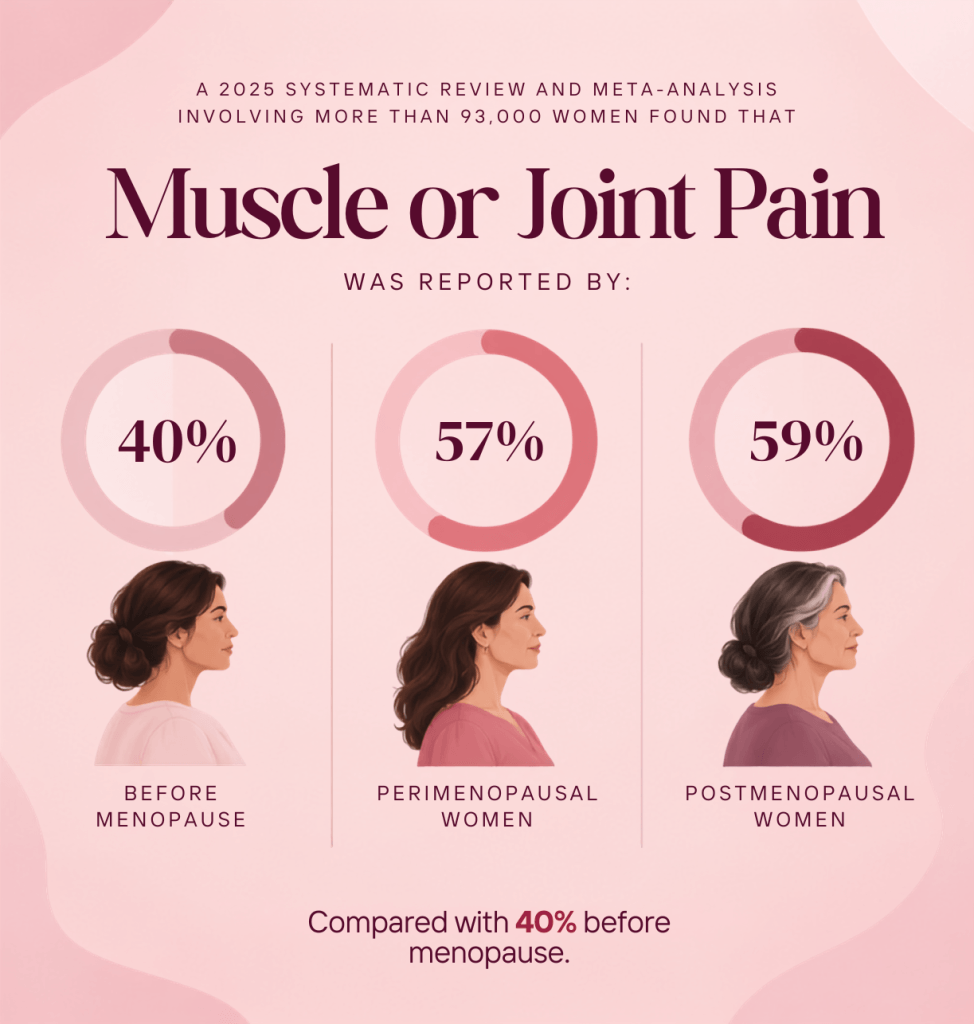
The researchers also noted substantial variation between studies, so these numbers should not be treated as a prediction for any individual woman.
(NIH)
A 2024 review has proposed the term musculoskeletal syndrome of menopause for the broader cluster of joint pain, muscle loss, bone loss, osteoarthritis and related problems seen around the menopause transition.
It is a useful way to recognise that these symptoms can occur together.
But it is not a diagnosis you should use to explain every new pain.
2. What Does Menopause Joint Pain Usually Feel Like?
There is no single “menopause joint pain” pattern.
Some women describe:
Aching in the hands, knees, hips, shoulders or back
Stiffness after sitting or on getting out of bed
A feeling of reduced flexibility
Muscle aches or reduced strength
Symptoms that seem to come and go
Sometimes the discomfort appears alongside other menopause symptoms such as hot flushes, sleep disruption or mood changes.
But here’s the important part: Pain is a symptom, not a diagnosis.
Persistent or significant joint pain should not automatically be labelled “hormonal,” particularly if there is swelling, warmth, prolonged morning stiffness or loss of function.
3. Where Does Frozen Shoulder Fit In?
Frozen shoulder, medically called adhesive capsulitis, is different from ordinary joint stiffness.
The tissue surrounding the shoulder joint becomes painful and progressively tighter, restricting movement.
Common everyday tasks suddenly become difficult:
Reaching behind your back.
Putting on a bra.
Reaching for something on a high shelf.
Washing or tying your hair.
Sleeping on that side.
Frozen shoulder commonly affects people between roughly 40 and 60 and is more common in women. It can progress through a painful phase, a stiffness-dominant phase and a gradual recovery phase, with symptoms sometimes lasting months or even years.
(NHS)
That age overlap with perimenopause and menopause has led researchers to investigate whether declining estrogen may play a role.
And this is where I would be careful.
What we know and what we don’t
Estrogen has important effects on connective tissue and inflammation, so there is a plausible biological connection. Frozen shoulder is also discussed as one of the musculoskeletal problems associated with menopause.
But we do not yet have strong enough evidence to say that menopause causes frozen shoulder.
Nor should frozen shoulder be treated as proof that your estrogen is low. That distinction matters.
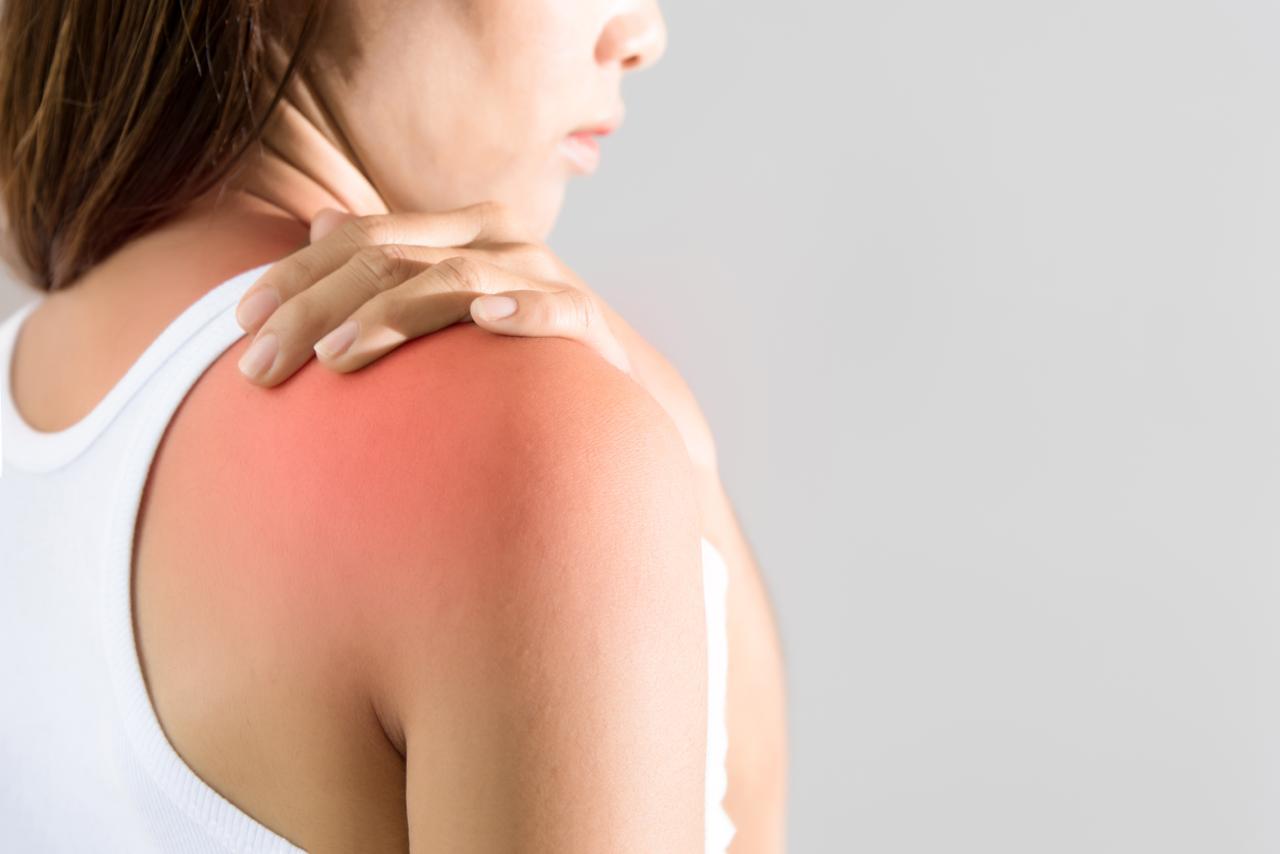 Frozen shoulder can cause persistent shoulder pain and stiffness, making everyday movements such as reaching, dressing or lifting the arm difficult.
4. Don’t Assume Every Shoulder or Joint Problem Is Menopause
This is probably the most important practical point.
Frozen shoulder can be associated with diabetes, and thyroid disorders are also seen alongside shoulder and musculoskeletal problems. Previous shoulder injury or a period of reduced movement can contribute as well.
(NIH)
Other conditions can mimic what women assume is menopause-related joint pain.
For example:
| What you’re noticing | Why it deserves attention |
|---|---|
| Swollen or hot joints | May point towards inflammatory arthritis or another inflammatory condition |
| Morning stiffness lasting a long time | Needs assessment rather than automatically being blamed on menopause |
| Severe shoulder restriction | Could be frozen shoulder or another shoulder condition |
| Sudden pain after injury | May indicate a structural problem |
| Shoulder and hip pain with marked morning stiffness after 50 | Polymyalgia rheumatica needs to be considered |
| Generalised aches with fatigue or other symptoms | Thyroid, nutritional and other medical causes may need assessment |
Your doctor may decide that blood tests, imaging or referral to a physiotherapist, orthopaedic specialist or rheumatologist are appropriate.
The message is simple: Menopause is a possible contributor. It should not become a diagnostic shortcut.
5. What Actually Helps?
Treatment depends on what is actually causing the pain.
For frozen shoulder
Gentle movement and appropriate exercises are generally important. Keeping the shoulder completely still can worsen stiffness. Physiotherapy may help restore movement, while pain relief and, in appropriate cases, a corticosteroid injection may be discussed. If symptoms remain troublesome despite conservative treatment, other procedures or specialist treatment may be considered.
(Mayo Clinic)
The exact approach depends on how painful and restricted the shoulder is.
One thing I would not recommend is forcing a very painful shoulder through aggressive exercises on your own. Treatment should match the stage and irritability of the condition.
(South Tees NHS Trust)
For general menopause joint pain
There are several sensible foundations:
Keep moving. Regular physical activity helps maintain mobility, muscle strength and overall health. NICE specifically recommends maintaining muscle mass and strength through physical activity during menopause.
Build strength. Resistance exercise is particularly valuable during midlife because muscle mass and bone health become increasingly important.
Eat adequately. Make sure your diet provides enough protein and other nutrients. Correct documented deficiencies rather than taking supplements blindly.
Look at the whole menopause picture. If joint symptoms occur alongside significant hot flushes, sleep problems or other menopause symptoms, discuss the complete picture with your doctor rather than treating each symptom in isolation.
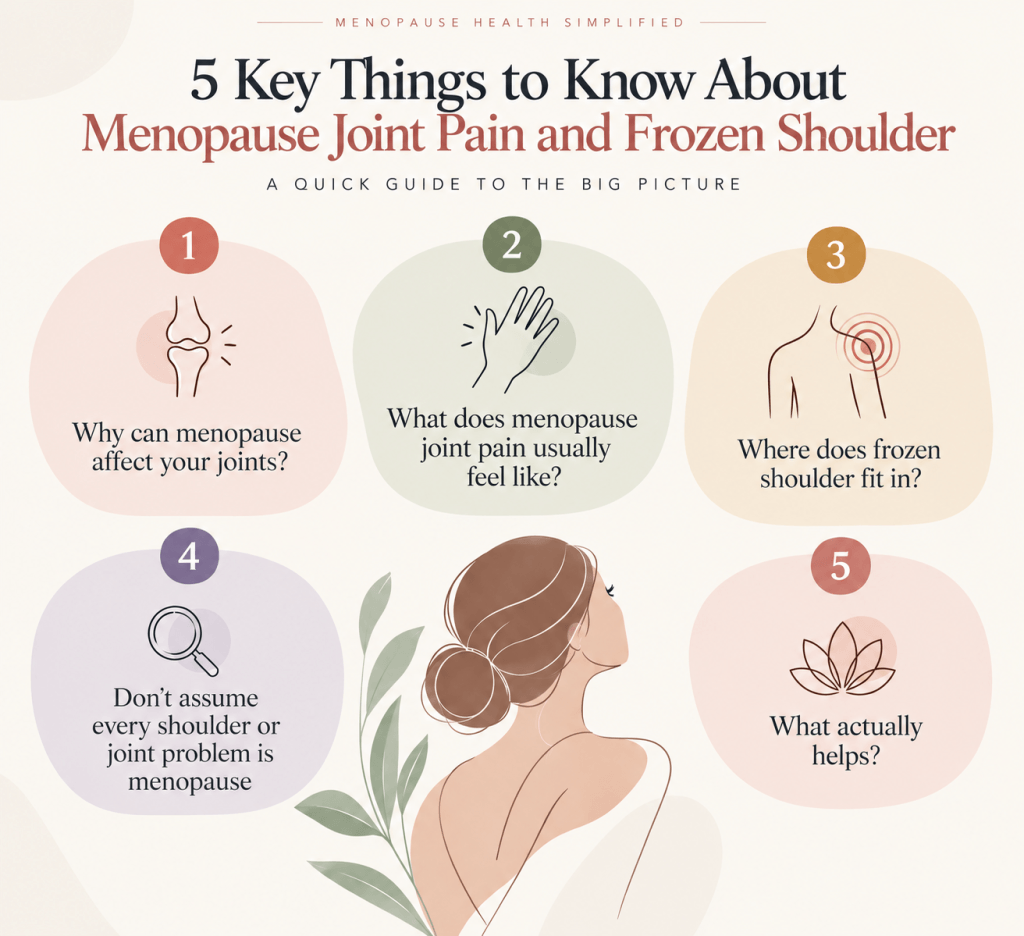
Five key things to remember about menopause-related joint pain and frozen shoulder:
What about HRT?
This is where expectations need to stay realistic.
Some evidence suggests menopausal hormone therapy can improve joint pain and stiffness for some women during treatment, and current menopause literature recognises musculoskeletal symptoms as part of the wider menopause picture.
(NIH)
But HRT should not be prescribed specifically to treat frozen shoulder.
The decision to use HRT should be based on your overall menopausal symptoms, health history and individual benefits and risks — not on the hope that it will fix one painful shoulder. NIH recommends individualised discussion of HRT benefits, risks, dose, route and duration.
Where Miror’s HRT Centre of Excellence Can Help You
Midlife joint pain can sit at the intersection of hormonal, musculoskeletal and metabolic health.
At Miror’s HRT Centre of Excellence, women can discuss the wider picture, their menopause symptoms, medical history and possible contributors, and be guided towards the appropriate clinician when further assessment is needed.
That may mean menopause care.
It may mean physiotherapy.
Or it may mean looking beyond hormones altogether.
The aim is not to call every ache “menopause.” It is to understand what is actually happening and decide what support you need.
Where Miror Thrive Fits In
For some postmenopausal women, joint discomfort can be one part of a wider change in energy, sleep and overall wellbeing. Miror Thrive, formulated for women after menopause, combines plant-based ingredients with nutrients intended to support areas such as bone health, vitality and joint wellness.
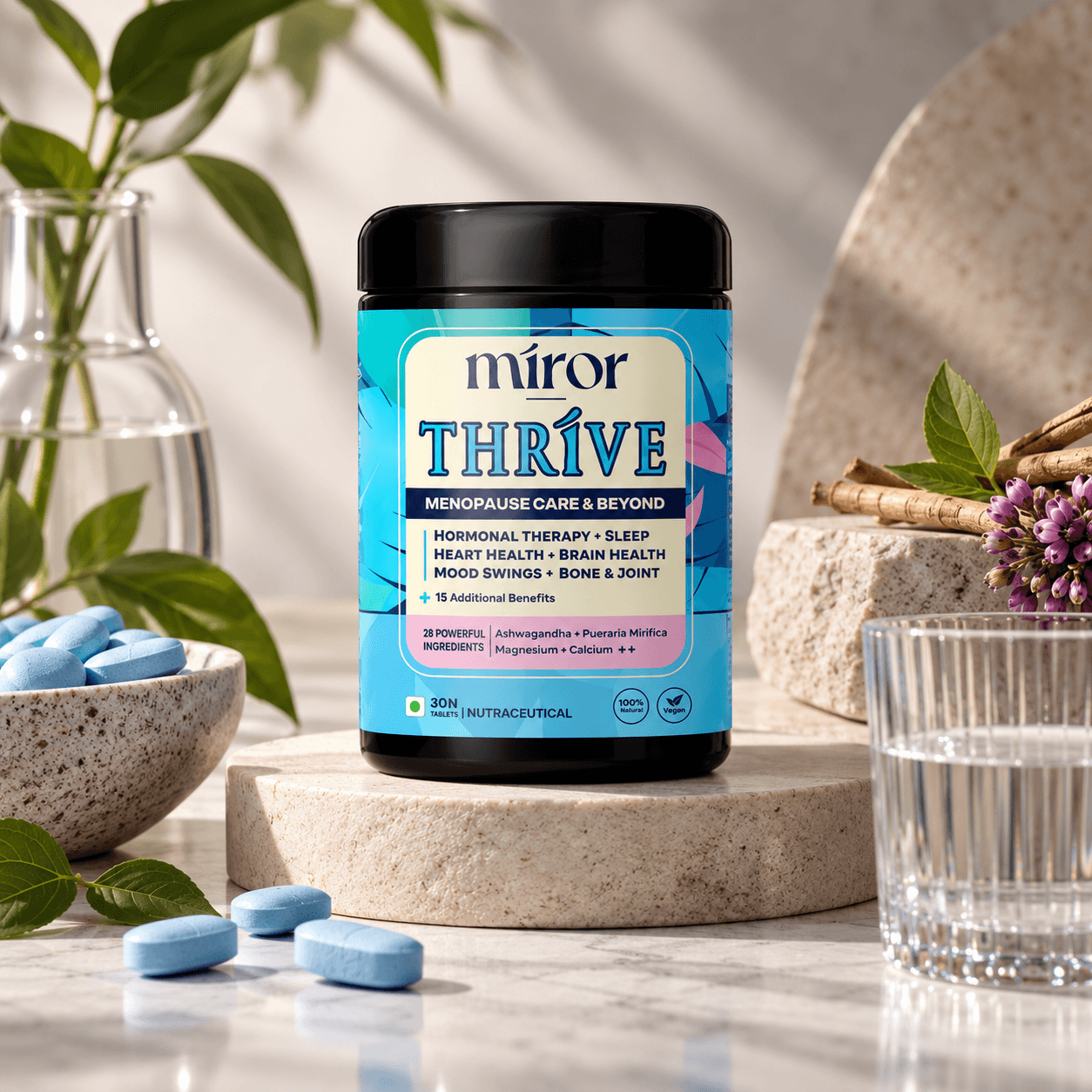 Miror Thrive, can be considered as part of a broader, wholesome wellness routine for postmenopausal women alongside appropriate medical care, rather than as a replacement for assessment or treatment when joint pain is persistent or severe.
When Should You See a Doctor?
Please don’t simply wait it out if:
Joint pain is persistent or getting worse
You have visible swelling, warmth or redness
Morning stiffness is prolonged or affecting your daily routine
You have significant loss of shoulder movement
Pain follows an injury
You have fever, unexplained weight loss or marked fatigue
Shoulder pain is accompanied by significant hip pain and severe morning stiffness, particularly after age 50
And if your shoulder has become so painful or stiff that everyday activities or sleep are being affected, it is worth getting assessed rather than waiting months for it to “thaw” on its own.
(NHS)
A Simple Way to Think About It
When you develop menopause joint pain, ask yourself two questions:
Could the menopause transition be contributing?
Possibly.
Should I assume that’s the whole explanation?
Not necessarily.
This distinction prevents two common problems: Ignoring a treatable condition because “it’s just menopause.”
And: Worrying that every new ache means something is seriously wrong.
You don’t need either extreme.
You need the right assessment.
Medical Disclaimer: This article is for general educational purposes only and does not replace personalised medical advice, diagnosis or treatment. Joint pain and shoulder stiffness can have many causes. Please consult a qualified healthcare professional for an appropriate assessment, especially when symptoms are persistent, severe or affecting daily life.